Mother's Day is an important trading occasion for retailers, restaurants, florists and hospitality brands across the UK. It creates a concentrated period of demand for gifts, dining experiences and family celebrations.
In 2027, Mother's Day falls on Sunday, 7 March. For businesses targeting London consumers, this creates an opportunity to build awareness during February and encourage purchases in the final weeks before the occasion.
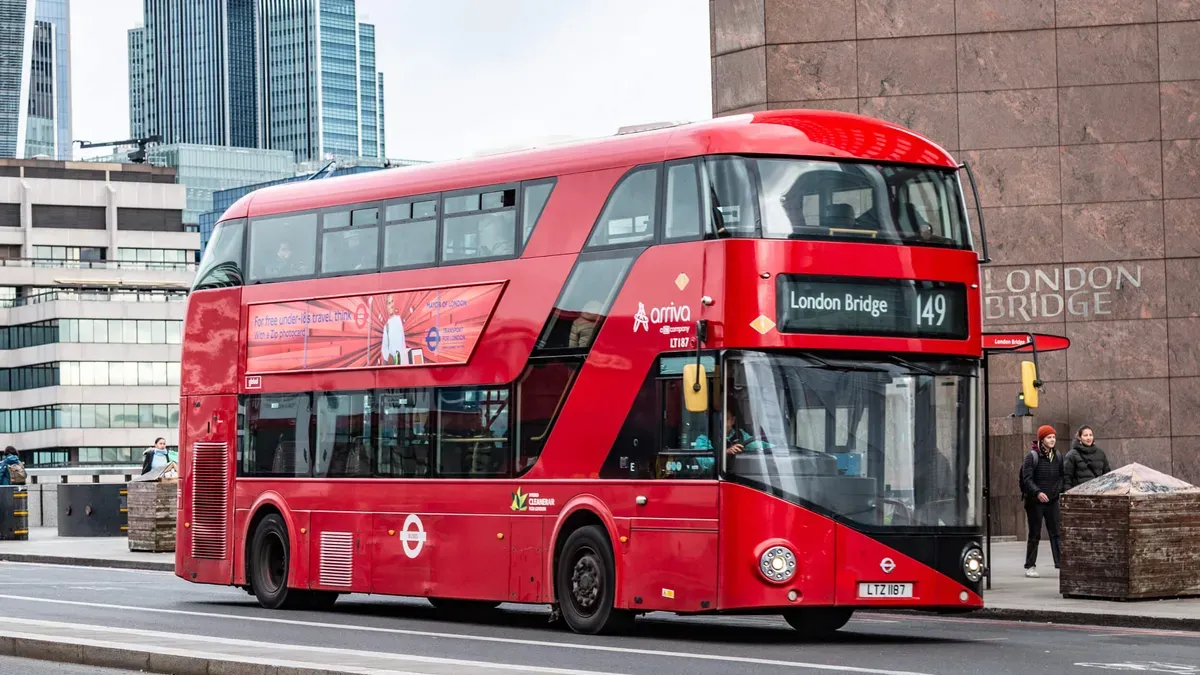
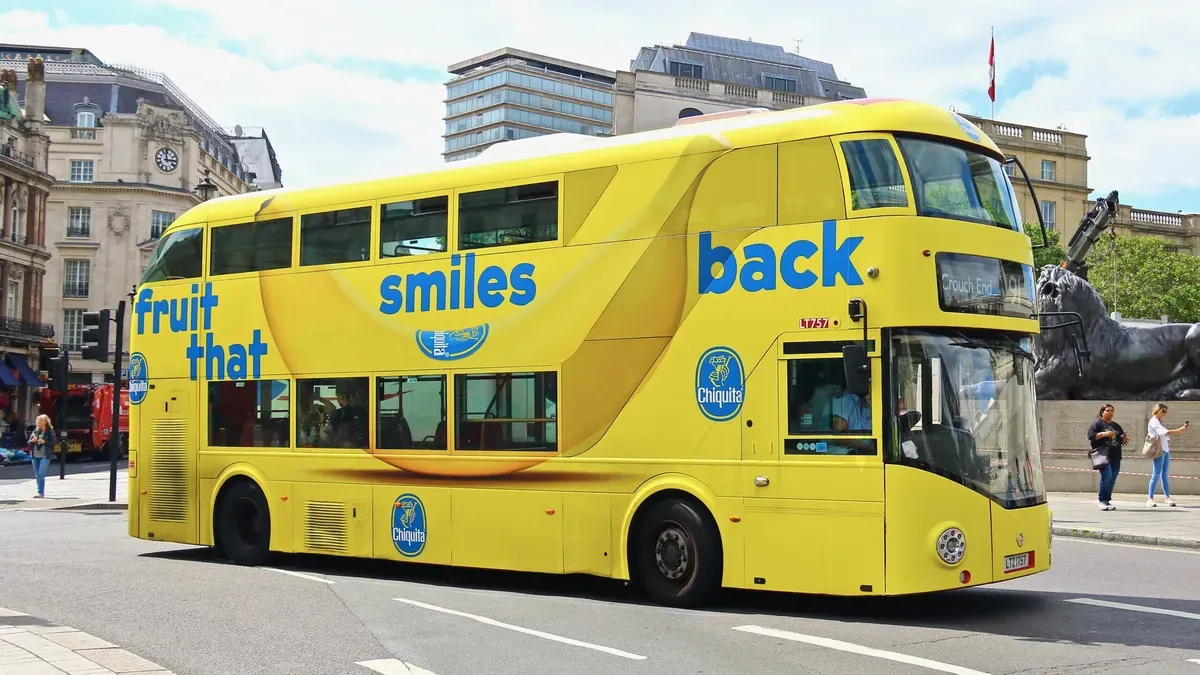
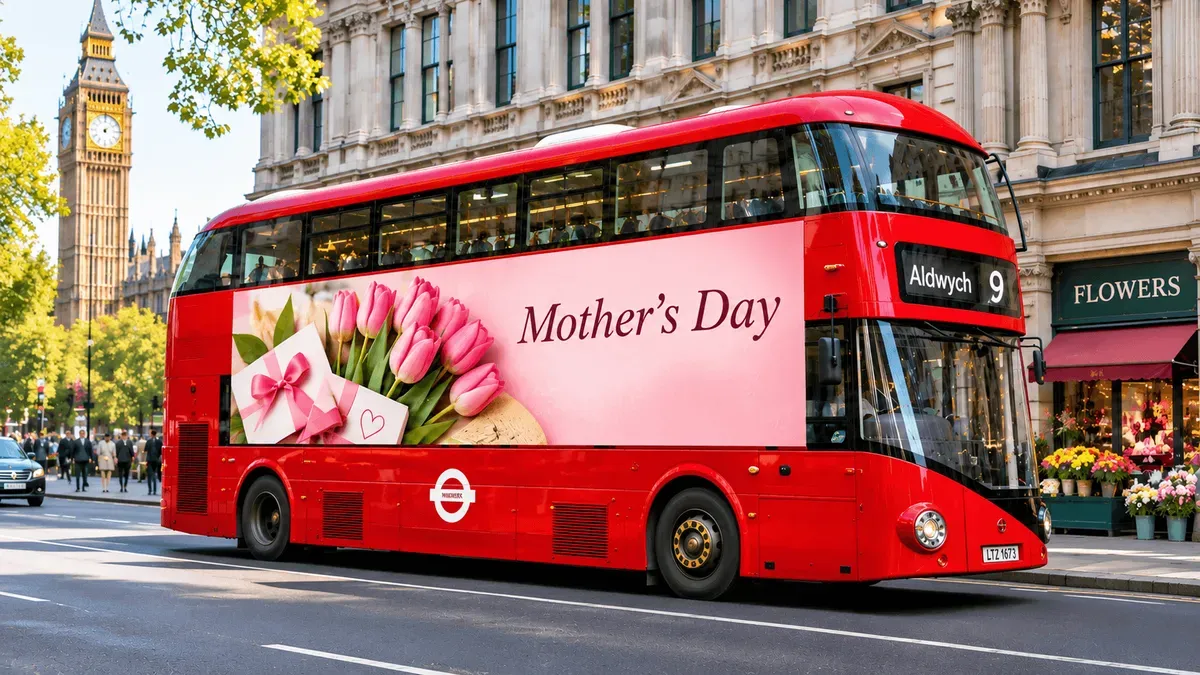
London's extensive bus network provides a visible advertising environment across shopping streets, residential neighbourhoods and commercial districts.
For marketing directors and retail leaders, bus advertising can support seasonal campaigns by placing brand messages along routes relevant to customers' everyday journeys.
A successful strategy requires clear messaging, appropriate timing and a strong understanding of consumer purchasing behaviour.
How London Bus Ads Can Support Mother's Day Sales?
1. Build Awareness Before Customers Start Shopping
Mother's Day purchasing decisions often begin before the final shopping weekend.
Consumers may research gifts, compare retailers or make restaurant reservations several weeks in advance.
Bus advertisements can introduce seasonal collections and experiences during this planning period.
For example, a premium jewellery retailer could feature its Mother's Day collection on buses travelling through major shopping districts.
The campaign could include a memorable message directing customers towards its stores or website.
Early exposure can help establish brand familiarity before consumers make purchasing decisions.
2. Reach Shoppers Around Major Retail Destinations
London's retail landscape includes established shopping districts and local high streets.
Oxford Street, Regent Street, Knightsbridge, Westfield London and Westfield Stratford City attract shoppers throughout the year.
Bus routes serving these destinations can provide relevant environments for seasonal advertising.
Brands should consider the relationship between their products and the locations where customers are likely to shop.
Examples include:
- Jewellery and luxury gifts: Routes serving Knightsbridge, Mayfair and central London shopping districts.
- Beauty and fragrance: Areas around department stores and established retail centres.
- Flowers and confectionery: Local high streets and neighbourhood shopping destinations.
- Restaurants and hospitality: Routes connecting dining districts, hotels and entertainment areas.
Route selection should be based on available advertising inventory and verified service patterns.
3. Encourage Purchases During the Final Shopping Week
The final week before Mother's Day is an important period for brands offering gifts and experiences.
Customers may be looking for immediate availability, convenient collection options or remaining restaurant reservations.
Bus advertisements can communicate time-sensitive information through clear, concise messaging.
A florist could promote its final delivery order date. A restaurant could highlight a Mother's Day lunch menu.
For 2027, the final shopping weekend falls on Saturday, 6 March, immediately before Mother's Day.
Brands should ensure promotional deadlines are accurate and consistent across their advertising channels.
4. Create Distinctive Seasonal Campaigns
Creative quality plays an important role in outdoor advertising.
London buses provide space for recognisable branding, product imagery and short messages that can be understood quickly.
For Mother's Day, creative concepts may focus on appreciation, family connections and meaningful gifts.
A luxury fragrance brand could use elegant product photography and a concise seasonal message.
A hospitality business might feature a dining experience or afternoon tea package.
Effective creative should include:
- A clear brand identity.
- One central message.
- Readable typography.
- High-quality imagery.
- A simple call to action.
Brands should review how designs appear on moving vehicles and across different advertising formats.
5. Connect Outdoor Advertising With Online and In-Store Sales
Mother's Day campaigns can guide consumers towards online stores, booking platforms and physical retail locations.
Brands can connect bus advertisements with their wider marketing activity through dedicated landing pages, search campaigns and consistent seasonal messaging.
For example, a department store could feature a Mother's Day gift collection on bus exteriors while promoting the same products through its website.
Useful campaign elements include:
- Dedicated Mother's Day product pages.
- Memorable website addresses.
- Promotional codes for selected offers.
- Consistent messaging across outdoor and digital channels.
- Clear information about delivery and collection deadlines.
QR codes may also be suitable for some formats, provided they can be accessed safely while the vehicle is stationary.
When Should Brands Launch Mother's Day 2027 Campaigns?
Campaign timing should reflect customer purchasing behaviour and the products being promoted.
Early February: Build Awareness
Introduce seasonal collections, premium gifts and dining experiences.
Mid to Late February: Encourage Consideration
Highlight product availability, gift collections and advance restaurant bookings.
1–7 March: Support Final Purchases
Promote delivery deadlines, store collection options and remaining reservations.
Brands should confirm production schedules and advertising availability well before the intended launch date.
How Can Brands Measure Mother's Day Campaign Performance?
Senior marketing teams should define measurable objectives before committing advertising budgets.
For London bus advertising, useful performance indicators include:
- Brand awareness: Measure changes in recognition through consumer research.
- Website traffic: Monitor visits to Mother's Day landing pages.
- Branded search: Review changes in searches for the company and its seasonal products.
- Retail performance: Assess relevant store visits and sales during the campaign period.
- Campaign delivery: Review confirmed vehicle deployment, routes and advertising dates.
Brands should consider pricing, promotions, seasonal demand and other marketing channels when interpreting results.
A sales increase during Mother's Day does not automatically establish the contribution of outdoor advertising.