London's bus network remains a major part of the capital's transport system. Millions of journeys take place across the network each day, connecting residential neighbourhoods, commercial districts, shopping destinations and major transport hubs.
For brands planning their 2027 marketing budgets, understanding London's bus network is essential. Passenger demand, route coverage, fleet investment and changing travel patterns can influence where and how campaigns are delivered.
The latest available figures provide useful insights for businesses considering bus advertising as part of their outdoor media strategy.
1. London Buses Continue to Carry Billions of Passenger Journeys
London's buses remain one of the capital's most widely used public transport services.
According to Transport for London's annual reports, the bus network recorded approximately 1.8 billion passenger journeys during the 2024/25 financial year.
This represents a substantial volume of travel across the city, reflecting the importance of buses for commuting, education, shopping and leisure.
For advertisers, passenger journeys provide useful context for understanding the scale of the transport network.
However, passenger journeys should not be treated as advertising impressions. Actual campaign exposure depends on the advertising format, routes, operating conditions and audience measurement methodology.
What This Means for 2027 Campaigns?
Brands planning campaigns across multiple parts of London should consider how bus routes connect their target locations.
Campaign objectives should determine whether broad network coverage or a more focused geographical approach is appropriate.
2. London's Bus Network Covers Thousands of Kilometres
Network coverage is another important consideration for advertisers.
According to Transport for London, London operates one of the world's largest urban bus networks, with more than 700 routes serving communities across the capital.
This extensive network connects central business districts with residential areas, retail destinations and transport interchanges.
For brands, the geographical reach of buses creates opportunities to develop campaigns around different audience groups.
A financial services company may prioritise routes serving major employment centres. A retailer opening several London locations may consider services connecting relevant shopping areas.
What This Means for 2027 Campaigns?
Media planners should review route availability and geographical coverage before selecting advertising formats.
Campaign planning should reflect where customers travel and how bus routes connect those locations.
3. London's Bus Fleet Is Moving Towards Zero Emissions
Environmental performance is becoming increasingly important in corporate marketing and procurement decisions.
Transport for London continues to invest in cleaner public transport as part of its wider sustainability programme.
According to TfL's bus fleet information, London has been expanding its zero-emission bus fleet, with more than 2,000 zero-emission buses operating by 2025.
This transition is relevant to brands with environmental, social and governance commitments.
Advertising teams may want to understand the characteristics of the vehicles used in their campaigns, particularly when sustainability forms part of the company's wider procurement strategy.
What This Means for 2027 Campaigns?
Brands should ask media providers about available vehicle formats, fleet characteristics and relevant environmental reporting.
Any sustainability claims should be supported by verifiable evidence and should distinguish between the vehicle's emissions and the overall environmental impact of the advertising campaign.
4. London's Bus Fleet Remains a Major Part of the Transport Network
The size of London's bus fleet provides useful context for understanding the capital's public transport infrastructure.
According to Transport for London's bus fleet data and audits, the network operates thousands of buses across central, inner and outer London.
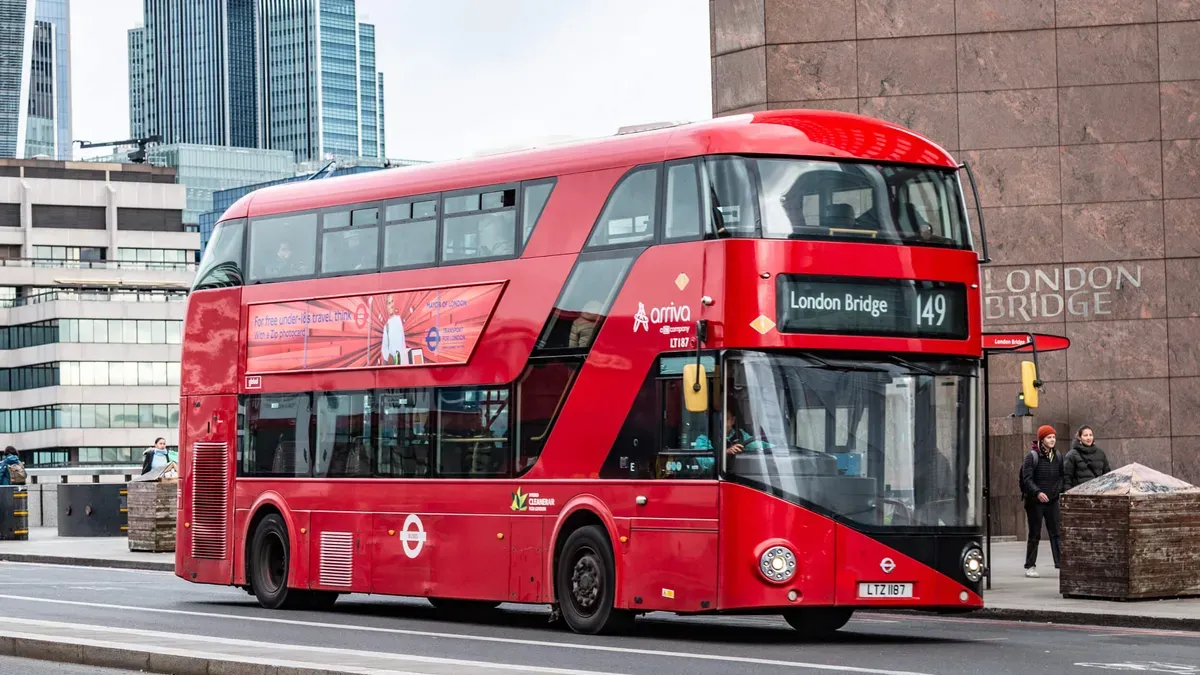
The fleet includes different vehicle types, including double-decker, single-decker and zero-emission buses.
For brands planning advertising campaigns, understanding fleet composition and operating patterns can help inform discussions about suitable advertising formats.
What This Means for 2027 Campaigns?
Advertisers should confirm the availability of specific advertising formats, vehicle types and routes with their media provider.
Campaign planning should consider production requirements, booking periods and the suitability of each format for the intended creative message.
5. Bus Passenger Demand Changed During 2025/26
The latest passenger figures highlight the importance of reviewing travel patterns before committing advertising budgets.
TfL's 2025/26 Annual Report recorded 1.781 billion bus passenger journeys, compared with 1.842 billion in 2024/25.
This represents a decline of approximately 3.3% year on year.
TfL has linked weaker demand partly to changing working patterns and cost-of-living pressures.
What This Means for 2027 Campaigns?
Brands should avoid relying on historical passenger volumes alone when estimating potential exposure.
Recent travel data, route selection and campaign-specific audience estimates can provide a stronger foundation for media planning.
How Should Brands Use These Statistics When Planning 2027 Campaigns?
The latest network data provides a useful starting point for developing a more informed media strategy.
For London bus advertising, senior marketing teams should focus on four priorities.
1. Define the Target Audience
Identify the geographical areas, customer profiles and purchasing behaviours relevant to the campaign.
2. Select Appropriate Advertising Formats
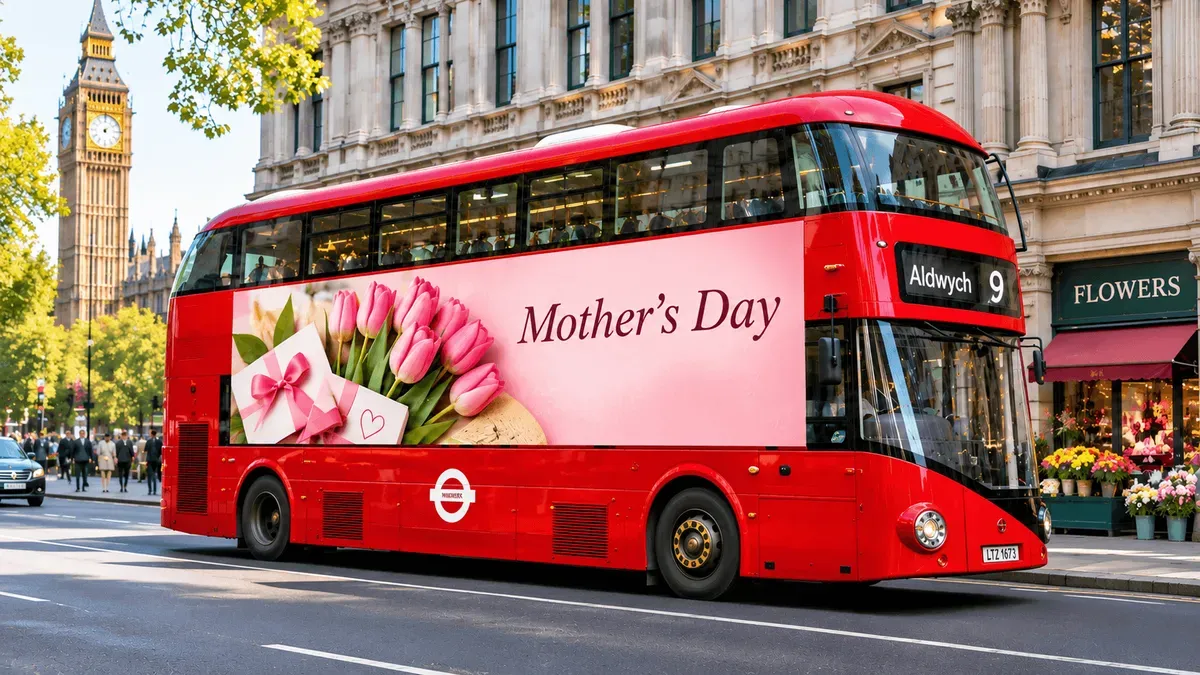
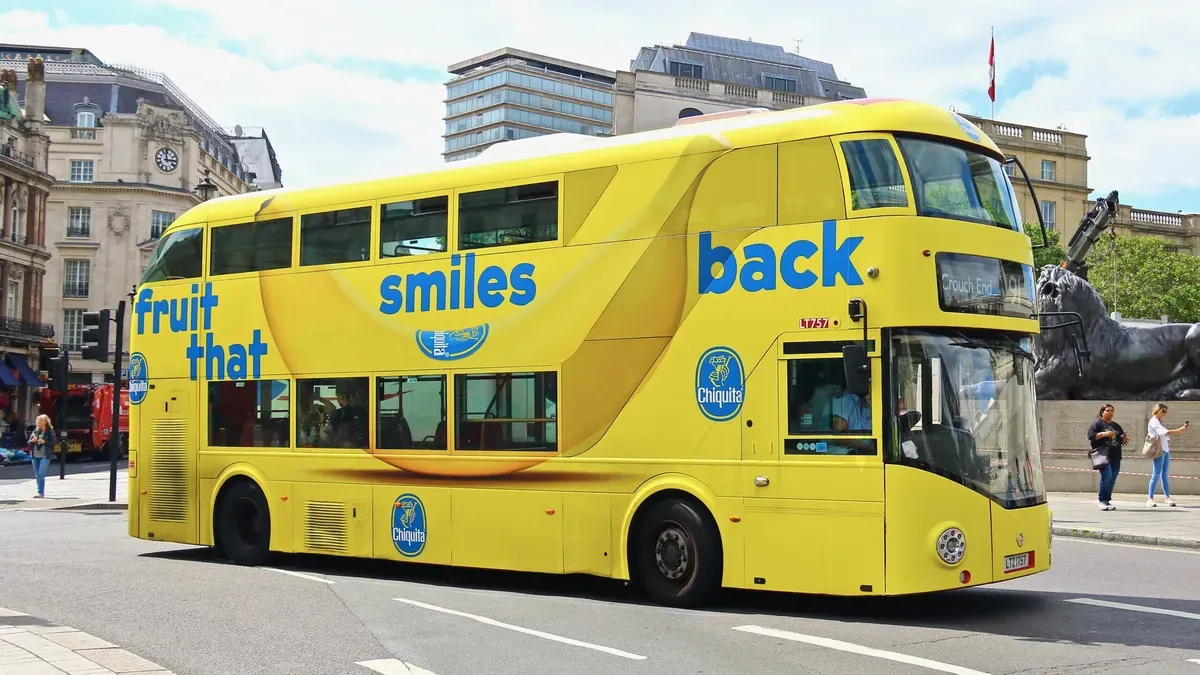
Consider whether bus sides, rear panels or full wraps best support the campaign's creative requirements and visibility objectives.
3. Review Current Network Data
Use recent passenger figures, fleet information and confirmed route changes when evaluating campaign opportunities.
4. Establish Clear Performance Measures
Track relevant indicators such as brand awareness, website visits, branded search activity and store enquiries.
Advertising exposure estimates should come from recognised audience measurement methods rather than passenger journey totals.