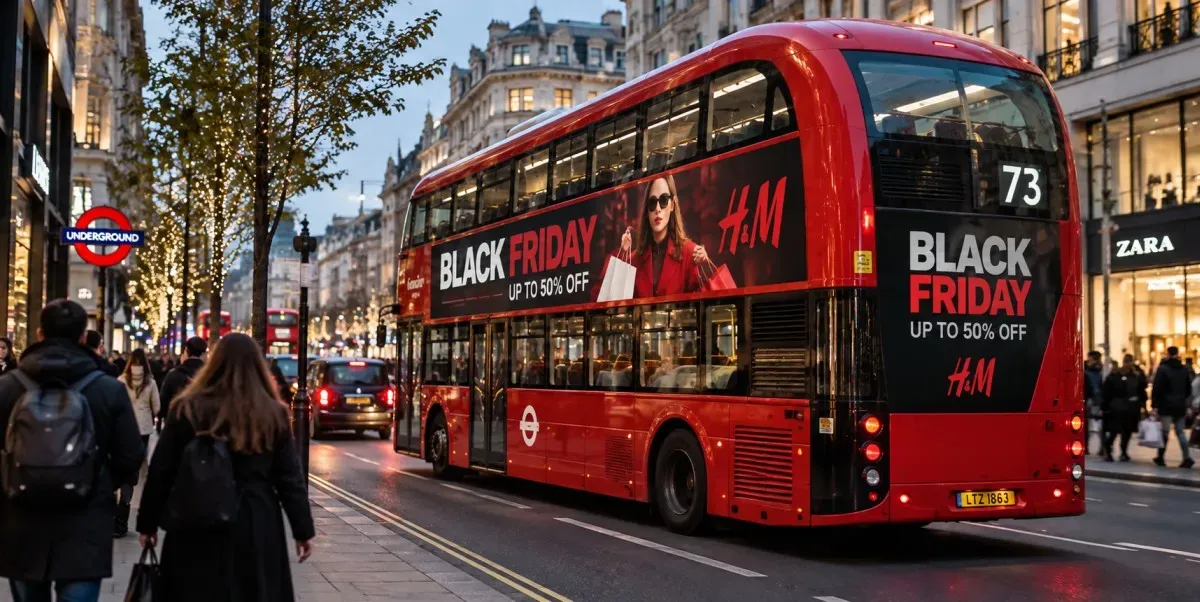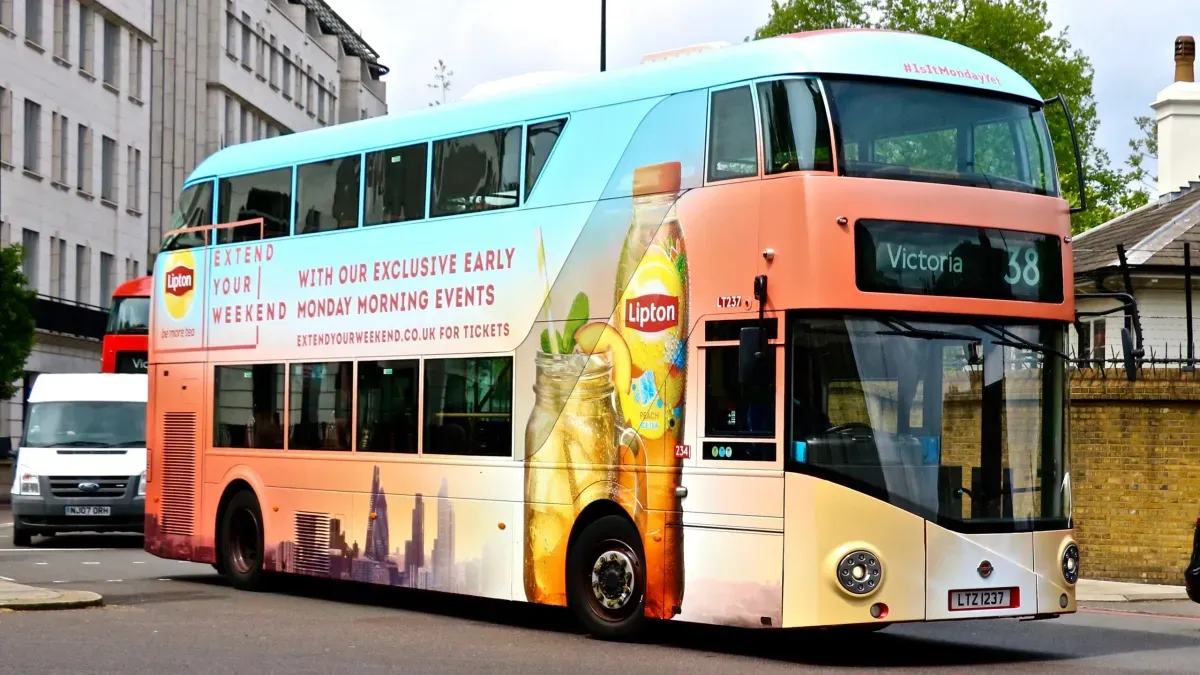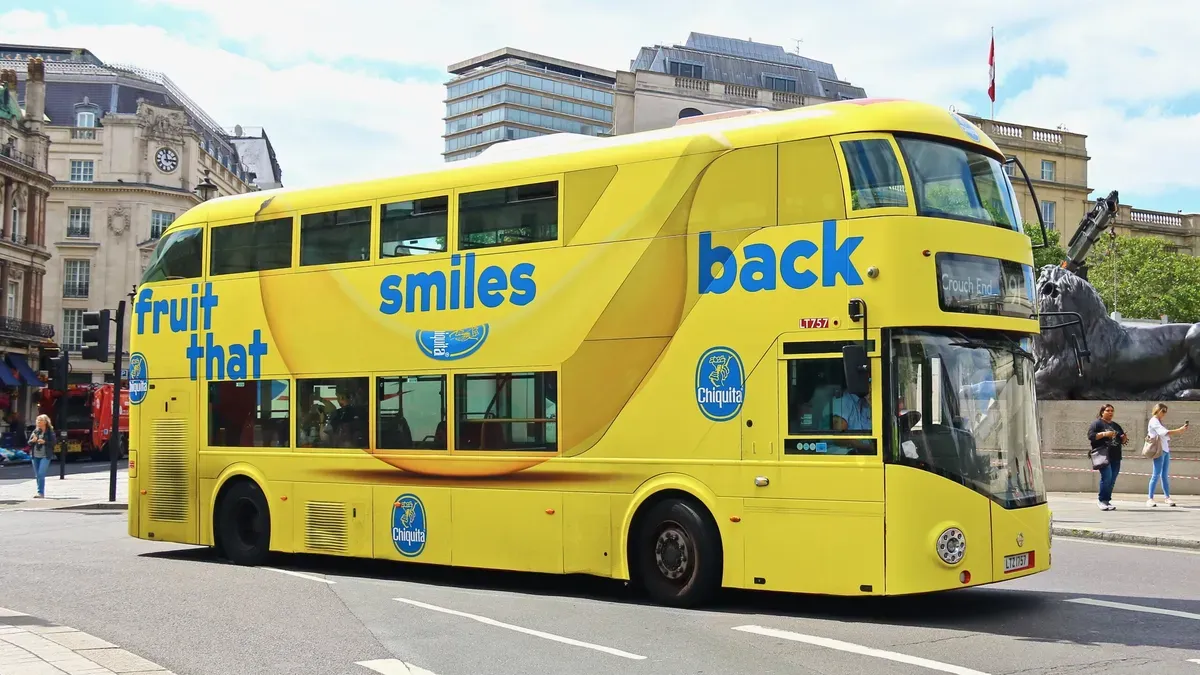
Bus advertising puts brands in front of pedestrians, motorists, cyclists and other road users as vehicles travel through London. For advertisers planning a campaign, one of the most important questions is how many people their adverts are likely to reach.
There is no fixed average reach for a bus advertising campaign in London. Audience reach depends on the number of buses booked, their routes, the advertising format and the campaign duration.
A campaign using a small number of buses in one borough will have a different audience from a citywide campaign running across several routes.
Understanding how reach is estimated helps advertisers set realistic expectations and plan campaigns around their target customers.
What Does Reach Mean in Bus Advertising?
In bus advertising, reach refers to the estimated number of unique people who see an advert during a defined period.
It is different from impressions, also called impacts in UK out of home audience measurement.
For example, a person who sees the same bus advert five times contributes one person to the campaign's reach but five impacts.
Three important metrics help explain campaign exposure:
- Reach: The estimated number of unique people who see the advertising.
- Impacts: The estimated total number of times the advertising is seen, including repeat exposure.
- Frequency: The average number of times each reached person sees the campaign.
These figures help advertisers understand the size of their audience and how often people are likely to encounter the message.
How Many People Does a Bus Advertising Campaign Reach?
The audience can vary considerably between campaigns. A single bus operating on a local route may reach people within a relatively concentrated area, while a larger fleet can provide coverage across multiple London boroughs.
For example, consider a campaign with an estimated 500,000 impacts over four weeks.
If the average frequency is five exposures per person, the estimated reach would be:
500,000 impacts ÷ 5 average frequency = 100,000 people reached.
This is an illustrative calculation, not a benchmark for London bus advertising. Actual figures need to be modelled using the selected routes, advertising placements and campaign dates.
Advertisers should request a campaign specific audience forecast rather than rely on a general estimate.
What Factors Affect the Reach of Bus Advertising?
Several factors determine how many people are likely to see a bus advertising campaign. Understanding them helps brands choose the right fleet size, routes and formats.
Number of Buses
The number of buses carrying the advert directly affects the potential coverage.
A campaign involving 30 buses can appear across a wider network than a campaign involving five, depending on how those vehicles are deployed.
However, adding more buses to the same area may increase repeat exposure among existing audiences rather than reach entirely new people.
The ideal fleet size depends on whether the campaign aims to reach a concentrated local audience or build awareness across London.
Bus Routes and Locations
Route selection determines the streets, neighbourhoods and commercial areas where an advert is likely to be seen.
Buses travelling through Oxford Street, Regent Street and other central shopping areas can encounter pedestrians, shoppers and passing traffic.
Routes serving residential neighbourhoods can help local businesses maintain visibility among people living and working nearby.
For example, a restaurant opening in West London may benefit from buses travelling through its surrounding catchment area.
Our guide to selecting effective bus advertising routes and formats in London explains how route characteristics influence campaign planning.
Campaign Duration
Longer campaigns provide more opportunities for people to encounter the advertising.
A four week campaign may reach people who were not travelling through the area during its first week. It can also increase exposure among regular commuters.
However, reach does not increase at the same rate as duration. As a campaign continues, a growing share of exposures may come from people who have already seen the advert.
Advertisers should consider both unique reach and frequency when deciding how long a campaign should run.
Advertising Format
The format affects where the advert appears on the vehicle and which audiences are likely to see it.
Bus sides face pedestrians and passing traffic, while rear advertising is particularly relevant to vehicles travelling behind buses.
Full wraps provide advertising across a larger proportion of the vehicle exterior.
Choosing the appropriate format helps brands make their message visible to the intended audience.
Which Bus Advertising Formats Offer the Widest Reach?
No single format delivers the highest reach in every campaign. Fleet size, route coverage and audience movement all influence the result.
Bus Sides
Bus side advertising places adverts on the exterior sides of London buses.
Formats such as T-Sides and Supersides can be seen by pedestrians, cyclists and motorists as buses travel through commercial streets and residential areas.
A network of side adverts across several routes can help brands build awareness in multiple locations.
Bus Rears
Bus rear advertising faces vehicles and road users travelling behind the bus.
It can be particularly relevant on roads with frequent junctions, traffic lights and slower moving traffic.
Advertisers can select routes that pass through areas where their target customers regularly travel.
Full Bus Wraps
Full bus wraps cover a substantial proportion of the vehicle exterior, creating a prominent advertising presence.
They are suitable for brands introducing new products, promoting major events or seeking a distinctive presence in selected areas.
A full wrap can provide strong visibility on an individual vehicle, but its overall reach still depends on the routes, number of buses and campaign duration.
Bus Interior Advertising
Interior adverts reach passengers travelling inside the bus.
Their audience is different from that of exterior formats because exposure is concentrated among people using the service.
This can be useful for campaigns targeting public transport users, particularly when the message requires more reading time.
How Is Bus Advertising Reach Measured in London?
UK out of home audience measurement is supported by Route, the industry's joint audience measurement body.
Route uses information about people's journeys, traffic and pedestrian movement, advertising locations and the likelihood of an advert being seen.
Its methodology incorporates mobility research and eye tracking information to estimate audiences.
For bus advertising, audience forecasts should account for the selected inventory and the movement of buses through different locations.
A campaign report may include estimated reach, impacts, frequency and audience coverage.
These figures are modelled estimates rather than counts of every individual who physically looked at an advert.
Advertisers should also confirm the measurement period and audience definition used in any forecast.
How Can Brands Increase the Reach of a Bus Advertising Campaign?
Increasing reach requires careful planning of where adverts appear and how the campaign is distributed.
Use Routes Across Different Areas
Selecting routes that cover different parts of London can help a campaign reach additional audiences.
For example, a brand targeting customers across the capital could consider a combination of routes serving central shopping districts, employment areas and residential neighbourhoods.
The final selection should reflect where the target audience travels.
Choose the Right Fleet Size
A larger fleet can increase opportunities for exposure, particularly when buses are distributed across different routes.
However, the most effective fleet size is the one that provides sufficient audience coverage within the available budget.
Advertisers should compare forecast reach and frequency for different fleet options before booking.
Match the Format to the Audience
Bus sides can be appropriate for pedestrian facing campaigns, while bus rears may suit messages aimed at road users.
For major product launches, full wraps can provide a prominent visual presence.
Our guide to bus advertising formats covers the available options and their uses.
Make the Creative Easy to Recognise
A campaign can achieve substantial estimated reach without communicating its message effectively.
Use a clear headline, recognisable branding and strong contrast so people can understand the advert during a brief encounter.
Keep important information readable from a distance and avoid overcrowding the design.
Is Reach or Frequency More Important for Bus Advertising?
Both metrics matter, but their importance depends on the campaign objective.
For a new product launch, reaching a large number of potential customers may be the priority. The campaign could use several routes to introduce the brand across different areas of London.
For a local restaurant or service provider, repeated exposure within a smaller catchment area may be more valuable.
A campaign concentrated around the same neighbourhoods can reinforce recognition among people who regularly travel through those locations.
The objective should guide the balance between expanding reach and building frequency.
How Can Advertisers Estimate Reach Before Booking?
Before committing to a London bus advertising campaign, brands should request an audience forecast based on their proposed schedule.
The forecast should ideally specify:
- The number of buses and advertising placements.
- The routes or geographic areas covered.
- The planned campaign duration.
- Estimated unique reach and total impacts.
- Average exposure frequency.
- The audience group and measurement period.
This information helps advertisers compare campaign options and understand what their investment is expected to deliver.
Plan a London Bus Advertising Campaign Around Your Audience
The average reach of a bus advertising campaign depends on how it is planned. Fleet size, route coverage, campaign duration and format selection all influence the number of people likely to see an advert.
For brands planning activity in London, the most useful starting point is a campaign specific reach estimate aligned with the target audience and marketing objective.
At London Bus Advertising, we help brands plan campaigns across the capital's bus network, including side panels, rears and full wraps.
Contact our team to discuss your campaign requirements, available formats and audience coverage.