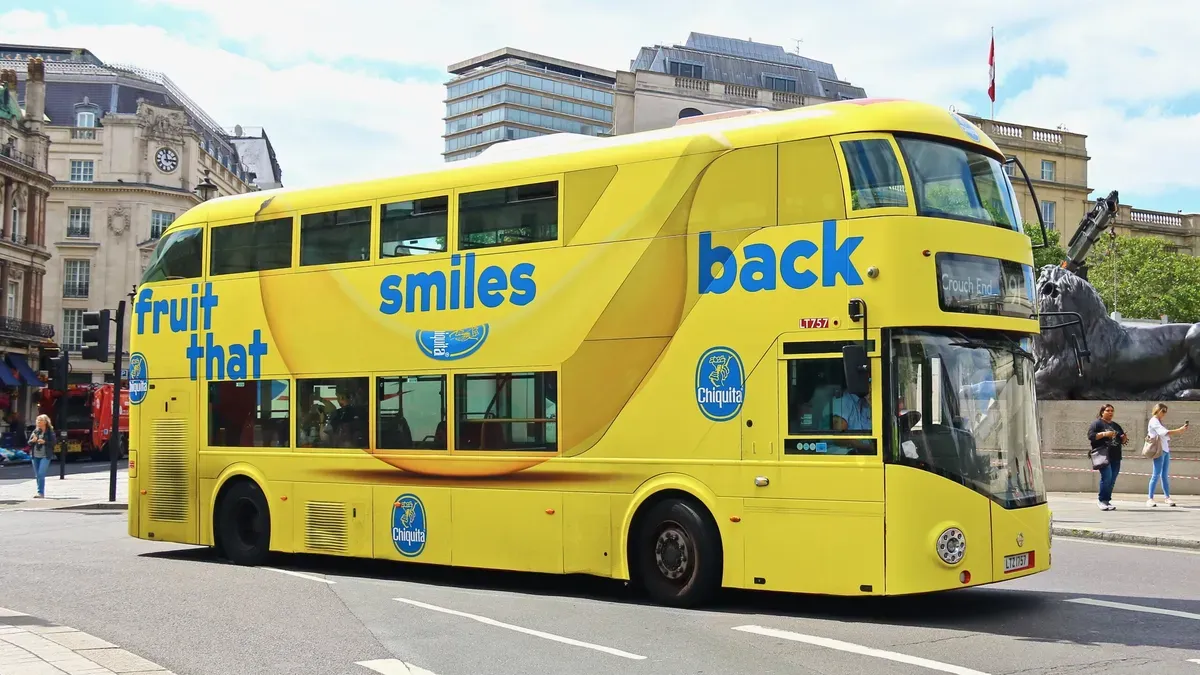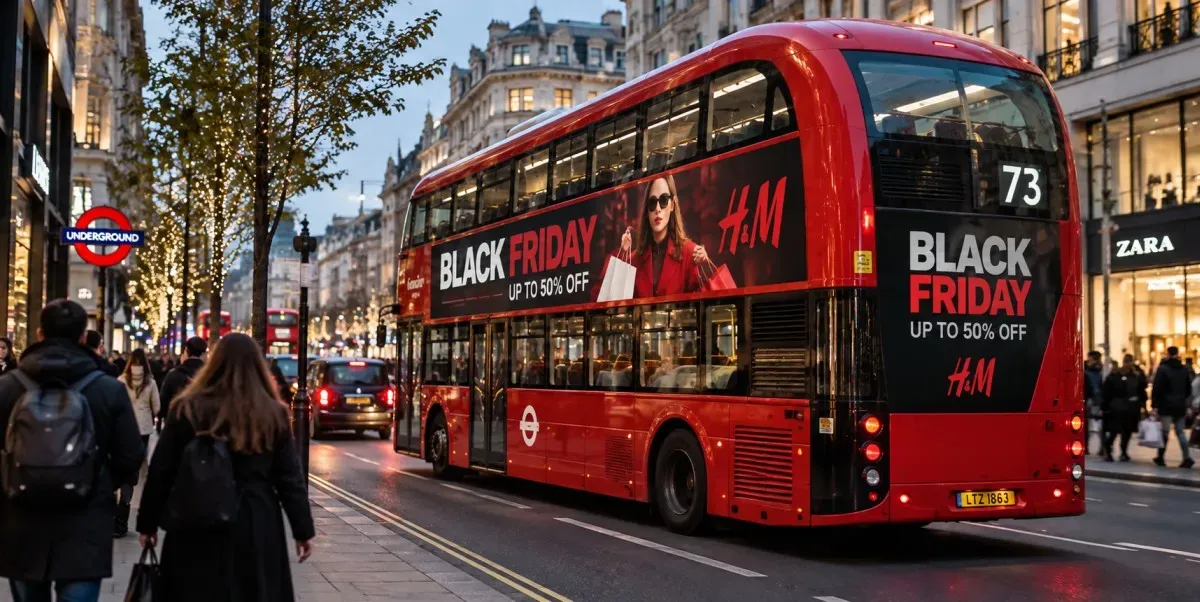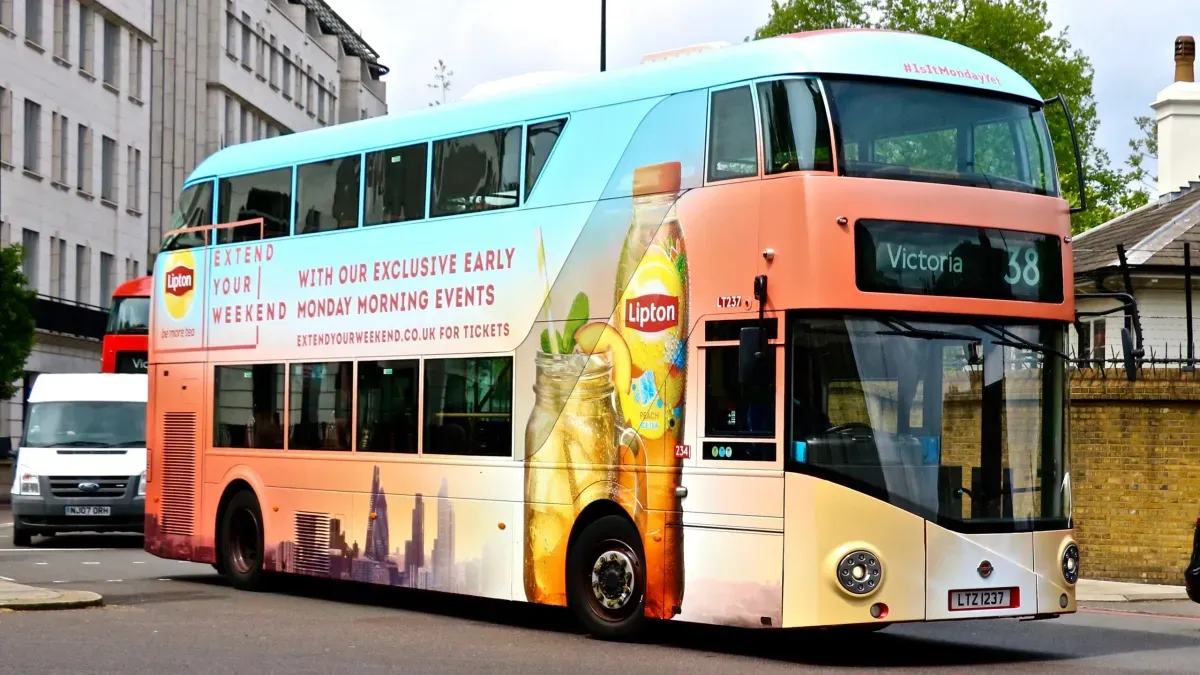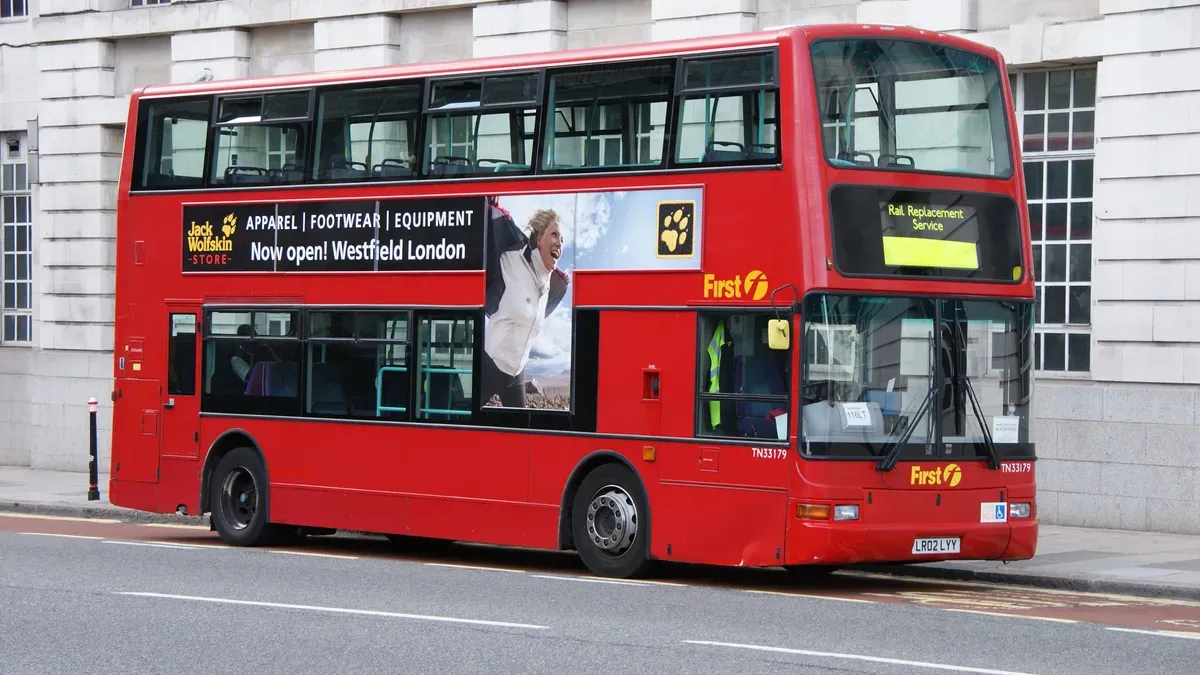
London is one of the world's most dynamic advertising markets, offering brands access to millions of residents, commuters, and visitors every day. Among the many out-of-home (OOH) advertising options available, bus advertising remains one of the most effective ways to achieve widespread visibility across the city.
From iconic double-decker buses travelling through Central London to local routes serving residential communities, bus advertising allows brands to reach audiences at scale while maintaining strong local relevance.
If you're considering a London bus advertising campaign, careful planning is essential to maximize results. Here's a step-by-step guide to help you get started.
Define Your Campaign Objectives
Before selecting routes or designing creative assets, determine what you want to achieve.
Common objectives include:
- Increasing brand awareness
- Promoting a product launch
- Driving website traffic
- Supporting a retail opening
- Advertising an event
- Reinforcing a broader marketing campaign
Clear goals will help guide every aspect of your campaign, from route selection to creative design and performance measurement.
Understand Your Target Audience
The success of a bus advertising campaign depends on reaching the right people.
Consider factors such as:
- Age group
- Occupation
- Interests
- Travel habits
- Geographic location
For example, a financial services company may focus on routes serving business districts, while a family entertainment brand may target residential and shopping areas.
Understanding your audience helps ensure your advertising budget is spent effectively.
Choose the Right Bus Advertising Format
London offers several bus advertising options, each providing different levels of visibility and impact.
Popular formats include:
- Bus rear advertisements
- Bus side advertisements
- Full bus wraps
- Supersides
- Interior bus advertising
- Digital transit displays
The best format depends on your objectives, budget, and desired level of visibility.
A full bus wrap delivers maximum impact, while smaller formats can offer a more cost-effective solution for local campaigns.
Select Strategic Routes and Locations
One of the biggest advantages of London bus advertising is the ability to target specific areas.
Consider routes that pass through:
- Central London
- Major shopping districts
- Business hubs
- Tourist attractions
- Residential neighborhoods
- Transport interchanges
Aligning route selection with your target audience can significantly improve campaign effectiveness.
Create a Simple and Memorable Design
Bus advertisements are often viewed for only a few seconds, especially by pedestrians, cyclists, and motorists.
To maximize impact:
- Use a clear headline
- Keep messaging concise
- Include strong visuals
- Use bold & readable typography
- Display your logo prominently
Avoid cluttering the design with excessive text or multiple competing messages.
The best bus advertisements communicate their message instantly.
Incorporate a Strong Call-to-Action
Your advertisement should encourage viewers to take the next step.
Examples include:
- Visit our website
- Download our app
- Book now
- Scan a QR code
- Visit our store
Keep calls-to-action simple and easy to remember, as audiences often have limited time to absorb information.
Coordinate With Other Marketing Channels
Bus advertising is most effective when integrated into a wider marketing strategy.
Consider combining your campaign with:
- Social media advertising
- Search engine marketing
- Digital display campaigns
- Influencer marketing
- Public relations activities
When consumers encounter your brand across multiple channels, overall campaign performance typically improves.
Consider Campaign Duration
Brand awareness campaigns often benefit from consistent exposure over several weeks or months.
Longer campaign durations can:
- Improve message retention
- Increase audience reach
- Strengthen brand recall
- Deliver greater overall impact
The ideal duration will depend on your objectives and budget.
Measure Campaign Performance
Although bus advertising is primarily an awareness-building channel, performance can still be evaluated.
Useful metrics may include:
- Website traffic increases
- Branded search volume
- QR code scans
- Lead generation
- Social media engagement
- Sales enquiries
Tracking results helps determine campaign effectiveness and informs future planning.
Work With Experienced Outdoor Advertising Specialists
Navigating London's extensive transport advertising network can be challenging, particularly for first-time advertisers.
An experienced outdoor advertising agency can help with:
- Route planning
- Audience targeting
- Creative recommendations
- Media buying
- Campaign management
- Performance analysis
Professional guidance can help maximize the return on your advertising investment.