Choosing the right bus routes is one of the most important decisions when planning a successful bus advertising campaign. The best route is not always the busiest one—it is the route that reaches the right audience, in the right locations, with enough frequency to build brand awareness.
A strategic approach helps businesses maximize visibility, improve campaign effectiveness, and achieve a stronger return on investment.
1) Understand Your Target Audience
Before selecting routes, define who you want to reach.
Consider:
- Age groups
- Lifestyle and interests
- Income levels
- Buying behaviour
- Location preferences
- Daily routines
For example:
- A luxury hotel may focus on routes connecting airports, business districts, and premium areas.
- A retail brand may choose routes near shopping centers.
- A university campaign may target routes serving student areas.
The best routes are those used by your ideal customers.
2) Analyse Passenger Demographics
Different bus routes attract different audiences. Some routes may be dominated by commuters, while others may serve students, families, tourists, or shoppers.
Look for routes that match your customer profile.
Key factors include:
- Passenger numbers
- Peak travel times
- Typical riders
- Areas served
- Frequency of service
Understanding the audience behind each route helps ensure your message reaches people most likely to engage.
3) Prioritise High-Traffic Areas
Routes with strong visibility can increase campaign exposure.
Consider routes passing through:
- City centres
- Business districts
- Shopping areas
- Residential communities
- Entertainment zones
- Transport hubs
- Major roads
High-traffic routes help maximize impressions and improve brand recognition.
4) Consider Proximity to Your Business
For businesses focused on driving visits, route selection should support customer action.
Examples:
- Restaurants: routes near dining districts or entertainment areas
- Retailers: routes near shopping locations
- Gyms: routes through residential and office areas
- Hotels: routes near airports and tourist areas
A bus advert seen close to your location can influence immediate decisions.
5) Evaluate Route Frequency
Repeated exposure is essential for outdoor advertising success.
A route with frequent service can deliver more impressions because the advert appears in front of the same audiences regularly.
Look for:
- Number of buses operating on the route
- Service frequency
- Campaign duration
- Daily passenger exposure
Consistency helps build memory and brand recall.
6) Choose Routes That Match Campaign Objectives
Different goals require different route strategies.
For brand awareness:
Choose routes with:
- High passenger volumes
- Long travel times
- Major city coverage
For footfall:
Choose routes near:
- Your store or location
- Shopping areas
- Customer catchment areas
For event promotion:
Choose routes near:
- Venues
- Tourist areas
- Event locations
For regional growth:
Choose routes connecting:
- Multiple communities
- Key local areas
- Business centres
7) Consider Bus Exterior Placement
The route matters, but so does the advertising format.
Options include:
- Full bus wraps
- Rear panels
- Side panels
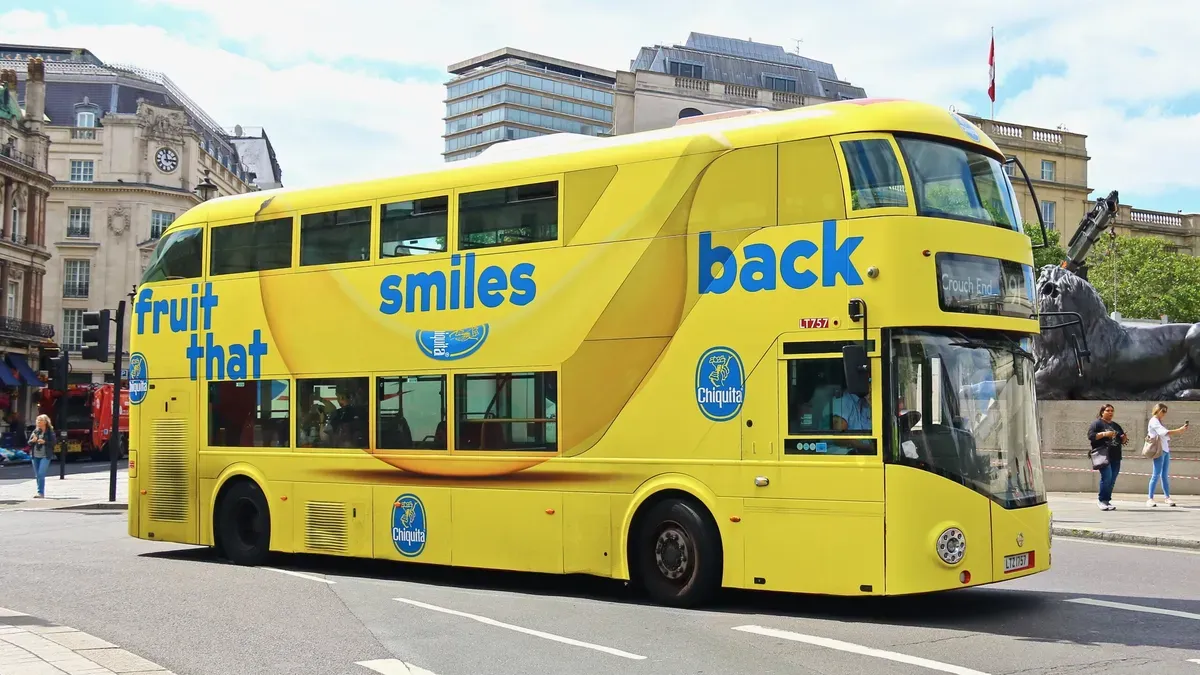
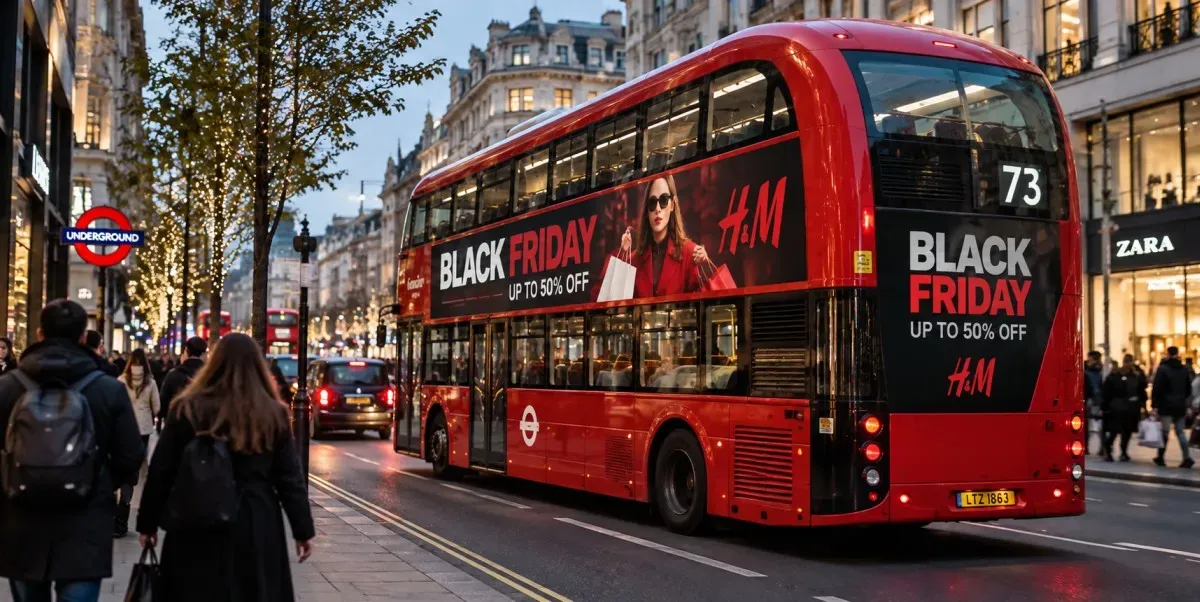
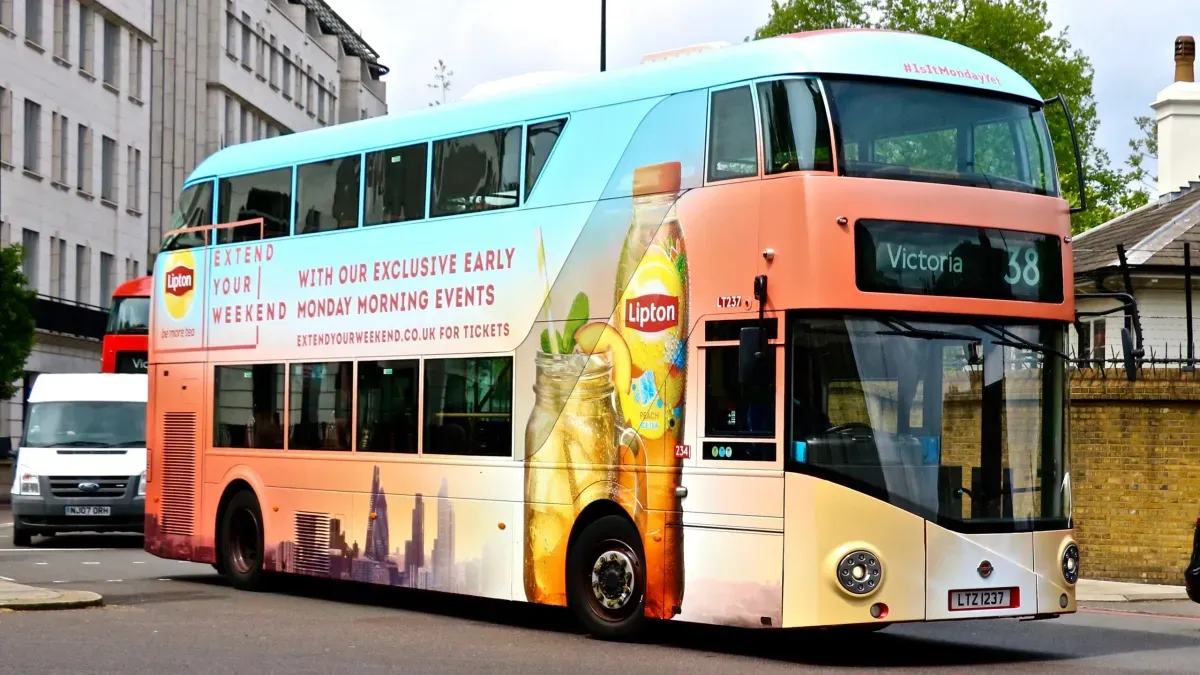
A full wrap on a high-traffic route can create strong visibility, while smaller formats may work well for targeted campaigns.
8) Combine Bus Advertising with Other Channels
Bus advertising works best as part of an integrated marketing strategy.
Brands can support campaigns through:
- Social media advertising
- Search campaigns
- Website landing pages
- Radio advertising
- Email marketing
- In-store promotions
A consistent message across channels increases recognition and customer response.
9) Track Campaign Performance
Measure whether your chosen routes are delivering results.
Useful metrics include:
- Website visits
- QR code scans
- Brand searches
- Customer enquiries
- Store visits
- Sales activity
- Campaign awareness surveys
Reviewing performance helps identify the strongest routes for future campaigns.