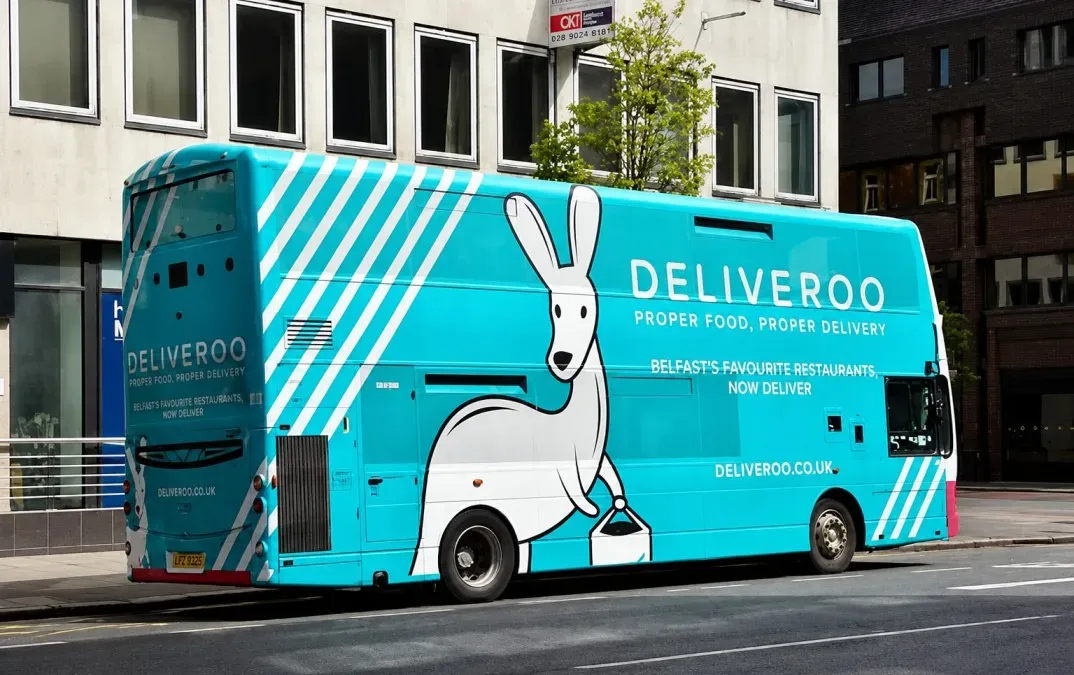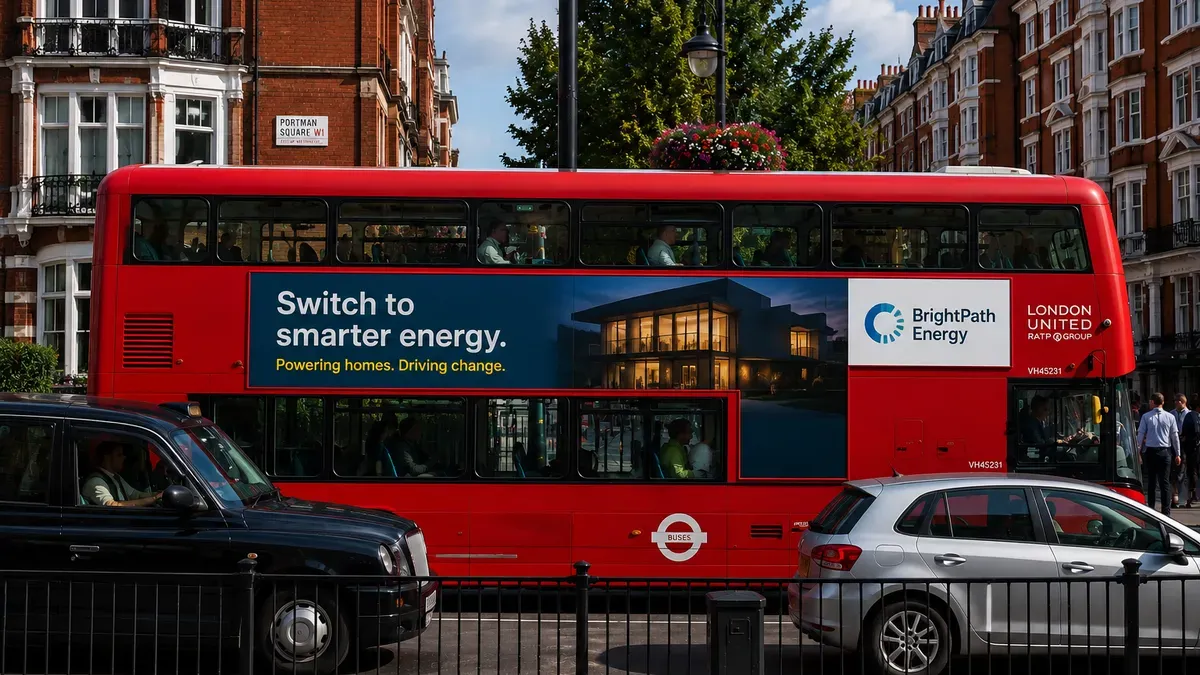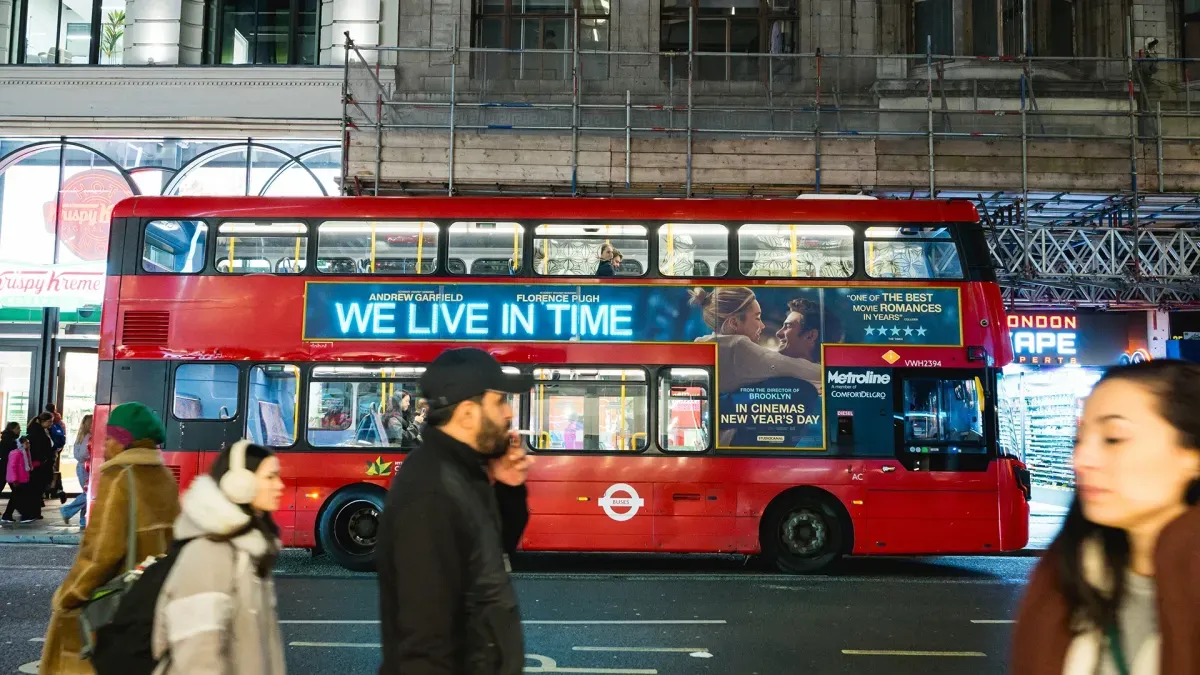
Digital technology is changing the way brands use London buses as advertising platforms. Traditional printed bus ads are being enhanced by digital tools, data-driven strategies, and interactive experiences that help advertisers create more targeted, engaging, and measurable campaigns.
1. Growth of Digital Bus Advertising Formats
Digital screens and advanced display technologies are expanding opportunities for advertisers on and around buses. These formats allow brands to update messages quickly, run multiple campaigns, and deliver timely promotions based on events, seasons, or audience trends.
2. Real-Time and Location-Based Campaigns
Technology enables advertisers to create messages that respond to location, time of day, traffic conditions, or local events. A brand can tailor advertising content for specific areas of London, making campaigns more relevant to nearby audiences.
3. Better Audience Targeting Through Data
Data analytics helps advertisers understand passenger movements, commuter patterns, and audience demographics. These insights allow brands to select routes and locations that better match their target customers.
4. Integration With Mobile and Digital Marketing
Modern bus advertising works alongside online campaigns. Brands can use QR codes, mobile promotions, social media hashtags, and app-based experiences to connect people who see bus ads with digital platforms.
5. More Creative and Interactive Experiences
Digital technology gives advertisers more creative freedom. Animated visuals, changing messages, and interactive elements help bus advertisements capture attention in busy urban environments where people are constantly surrounded by media.
6. Improved Campaign Measurement
Technology has made outdoor advertising easier to evaluate. Advertisers can use analytics tools to estimate reach, engagement, and campaign effectiveness, helping them make better decisions about future investments.
7. Sustainable Advertising Solutions
Digital displays can reduce the need for frequent printing, production, and physical replacement of advertising materials. More efficient technologies support brands seeking lower-impact advertising methods.
8. Reaching London’s Diverse Audiences
London’s extensive bus network connects communities across the city, giving brands access to commuters, residents, tourists, and local shoppers. Digital tools help advertisers create messages that appeal to different audiences across various locations.
9. Smarter Integration With Transport Networks
As transport systems become more connected, advertising can benefit from improved data, smarter infrastructure, and new opportunities to reach passengers throughout their daily journeys.
10. The Future of Bus Advertising in London
The future of London bus advertising will likely involve greater use of artificial intelligence, dynamic content, augmented reality, and advanced analytics. These technologies will help brands create more personalised, engaging, and effective outdoor advertising experiences.