Bus advertising is a highly visible form of out-of-home (OOH) marketing that helps brands build strong and lasting awareness in both urban and suburban environments. Because buses move through fixed routes and high-traffic areas every day, they offer repeated exposure to thousands of commuters, pedestrians, and motorists. This makes bus advertising an effective tool for increasing brand recognition, reinforcing messaging, and reaching diverse audiences in real-world settings.
1. High Visibility in Daily Traffic Routes
One of the key strengths of bus advertising is its constant presence on busy roads. Buses operate on scheduled routes that pass through residential areas, business districts, shopping zones, and entertainment hubs.
This creates repeated exposure for brands because:
- Commuters see buses regularly during travel
- Pedestrians encounter buses at stops and intersections
- Drivers notice large mobile ads in traffic
Unlike static billboards that remain in one location, bus advertising travels across multiple high-visibility zones throughout the day. This mobility ensures that brand messages reach a wide audience in different environments.
2. Repetition That Strengthens Memory
Repetition is essential for building brand awareness, and bus advertising naturally delivers it. People often see the same bus or fleet multiple times in a day or week, especially in urban areas.
This repeated exposure helps:
- Reinforce brand recall
- Increase familiarity over time
- Improve recognition without conscious effort
Even brief or subconscious views of bus ads contribute to memory formation. Over time, consumers begin to recognize the brand instantly, even before reading the full message.
3. Large-Scale Visual Impact
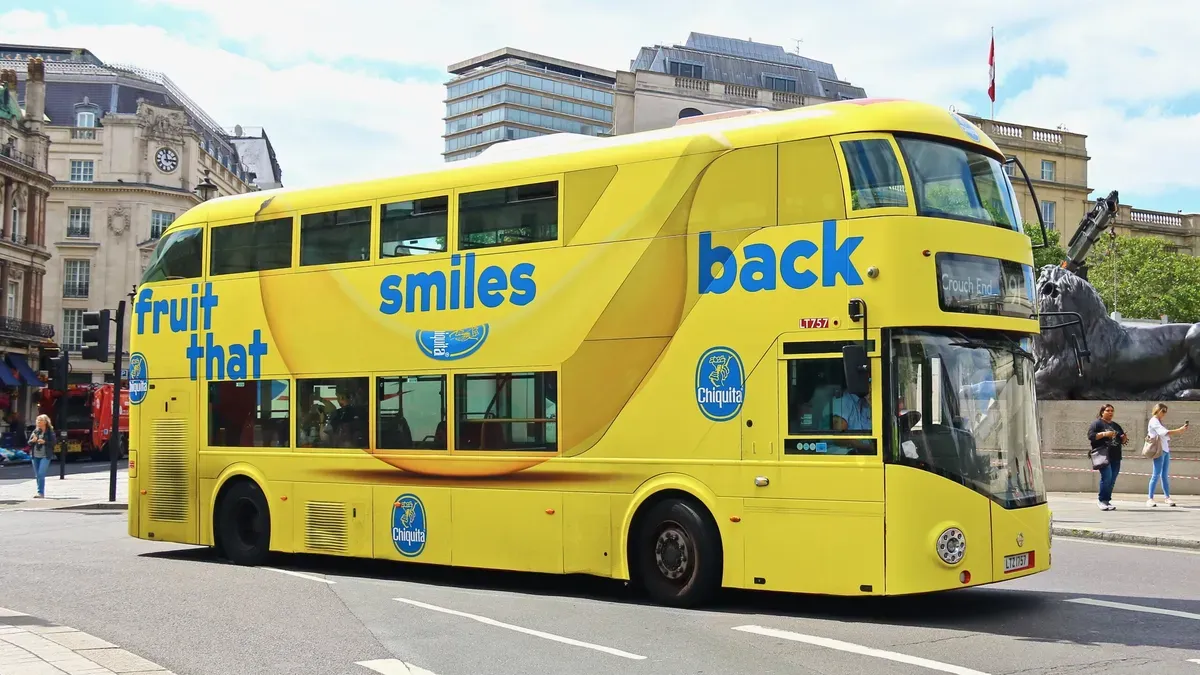
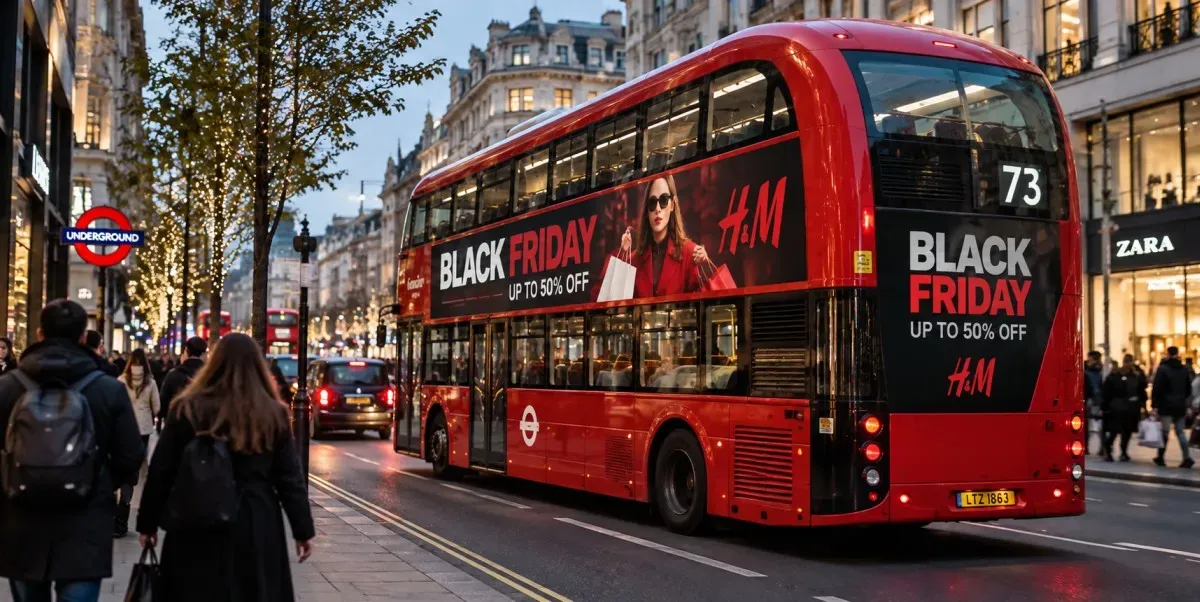
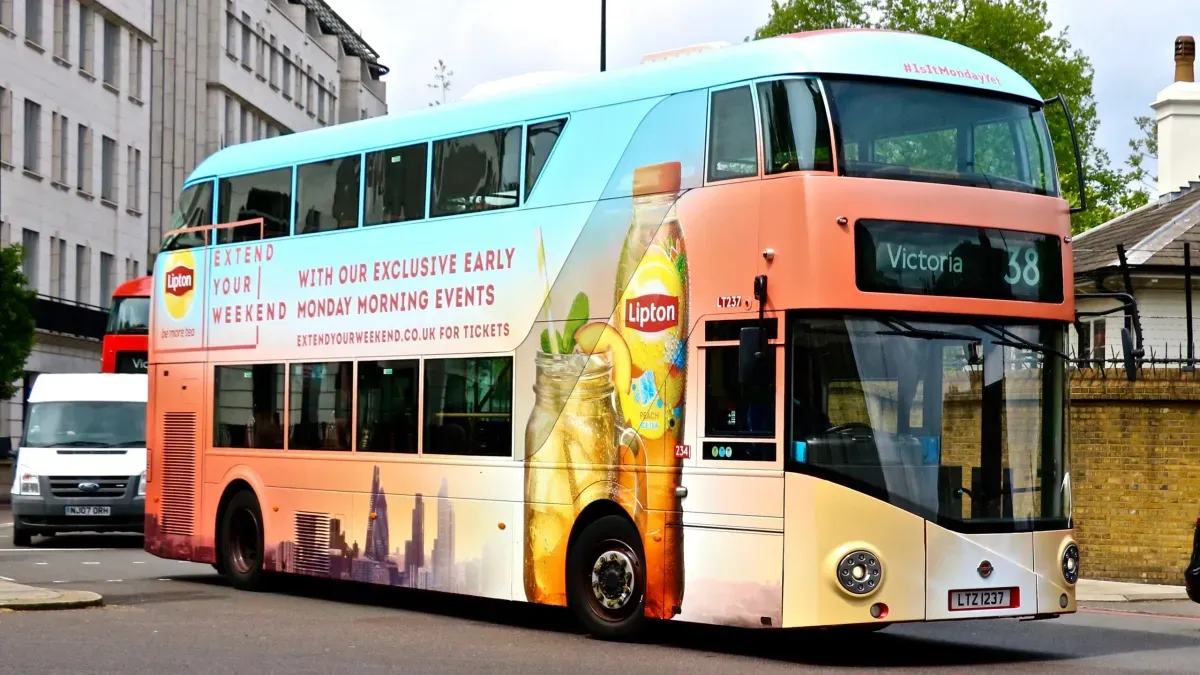
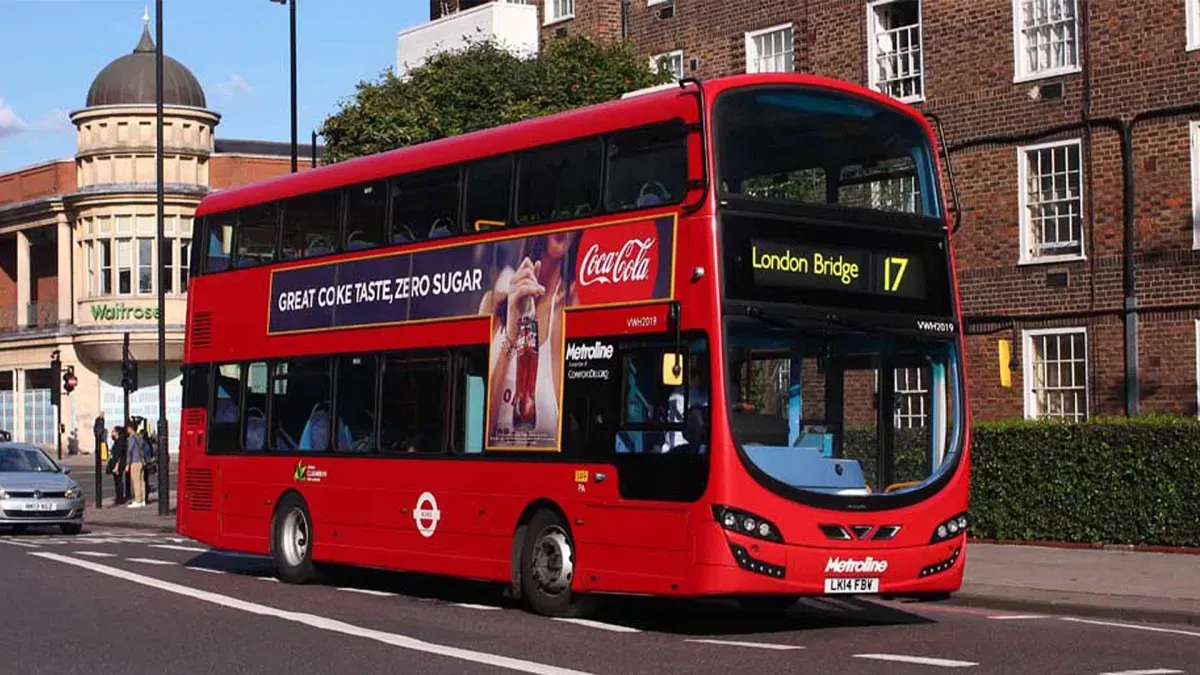
Bus advertising offers large, bold, and highly visible display surfaces. Full bus wraps, rear panels, and side panels provide ample space for creative designs that capture attention quickly.
Effective bus ads often include:
- Strong brand colors
- Large logos
- Simple, clear messaging
- Eye-catching visuals
Because buses are constantly in motion, ads must communicate quickly. This encourages minimalist, high-impact designs that are easy for the brain to process and remember.
4. Mobile Exposure Across Diverse Audiences
One of the biggest advantages of bus advertising is its ability to reach a wide demographic. Since buses travel across different neighborhoods and routes, they naturally expose brands to varied audiences.
These include:
- Office workers and professionals
- Students and commuters
- Shoppers and tourists
- Local residents
This diversity makes bus advertising especially effective for brands targeting mass markets. It ensures that the message is not limited to a single geographic or socioeconomic group.
5. Building Familiarity Through Everyday Presence
Bus advertising works best when integrated into everyday life. People encounter buses during routine activities such as going to work, attending school, or shopping.
This everyday visibility creates a sense of familiarity, which is crucial for brand trust. When consumers repeatedly see a brand in their daily environment, it begins to feel:
- More reliable
- More established
- More recognizable
This familiarity reduces hesitation and increases the likelihood of future engagement or purchase.
6. Strong Presence in Urban Environments
In cities, where competition for attention is high, bus advertising stands out due to its size and movement. Unlike static posters that can be ignored, buses naturally draw attention as they move through traffic.
Urban benefits include:
- High population density
- Heavy commuter traffic
- Frequent stop-and-go visibility
- Exposure to both pedestrians and drivers
This makes bus advertising particularly effective in metropolitan areas where brands need to compete for attention in crowded media landscapes.
7. Enhancing Brand Credibility
Physical advertising in public spaces often enhances perceived brand credibility. When consumers see a brand displayed on buses across a city, it signals legitimacy and scale.
This perception is strengthened because:
- Bus fleets represent large-scale investments
- Public transport visibility implies trustworthiness
- Repeated presence suggests market stability
As a result, bus advertising helps build not just awareness but also confidence in the brand.
8. Supporting Campaign Consistency
Bus advertising is highly effective for long-term campaigns because it maintains consistent visibility over time. Brands can run campaigns for weeks or months, ensuring steady exposure without interruption.
This consistency helps:
- Reinforce brand messaging
- Maintain top-of-mind awareness
- Support broader marketing strategies
When combined with other media channels, bus advertising becomes a reliable foundation for sustained brand recognition.
9. Complementing Digital and Offline Marketing
Bus advertising is even more powerful when integrated with digital campaigns. It acts as a physical touchpoint that supports online engagement.
For example:
- Bus ads may include QR codes linking to websites
- Social media hashtags can extend campaign reach
- Digital ads can reinforce messages seen on buses
This multi-channel approach strengthens recall and increases the chances of consumer interaction across platforms.