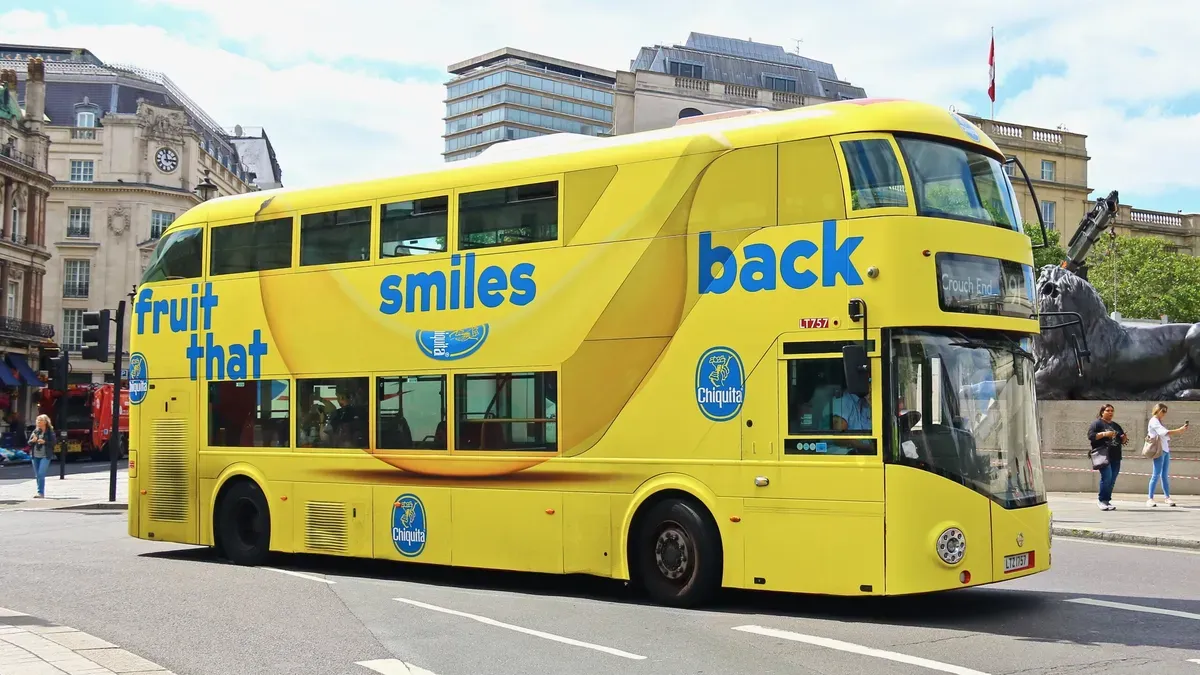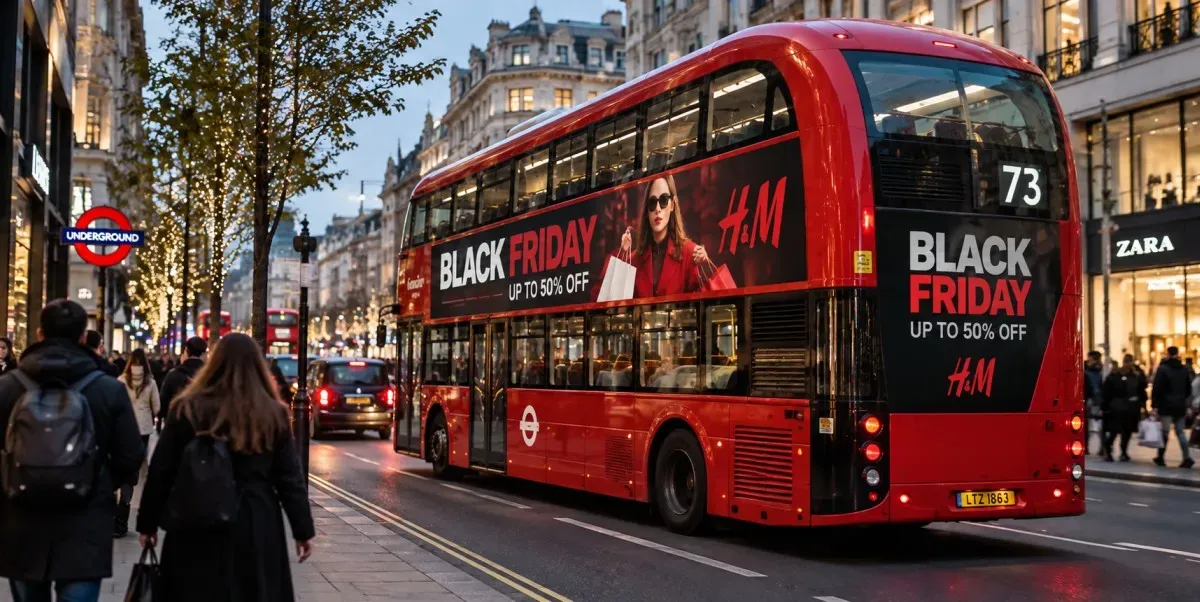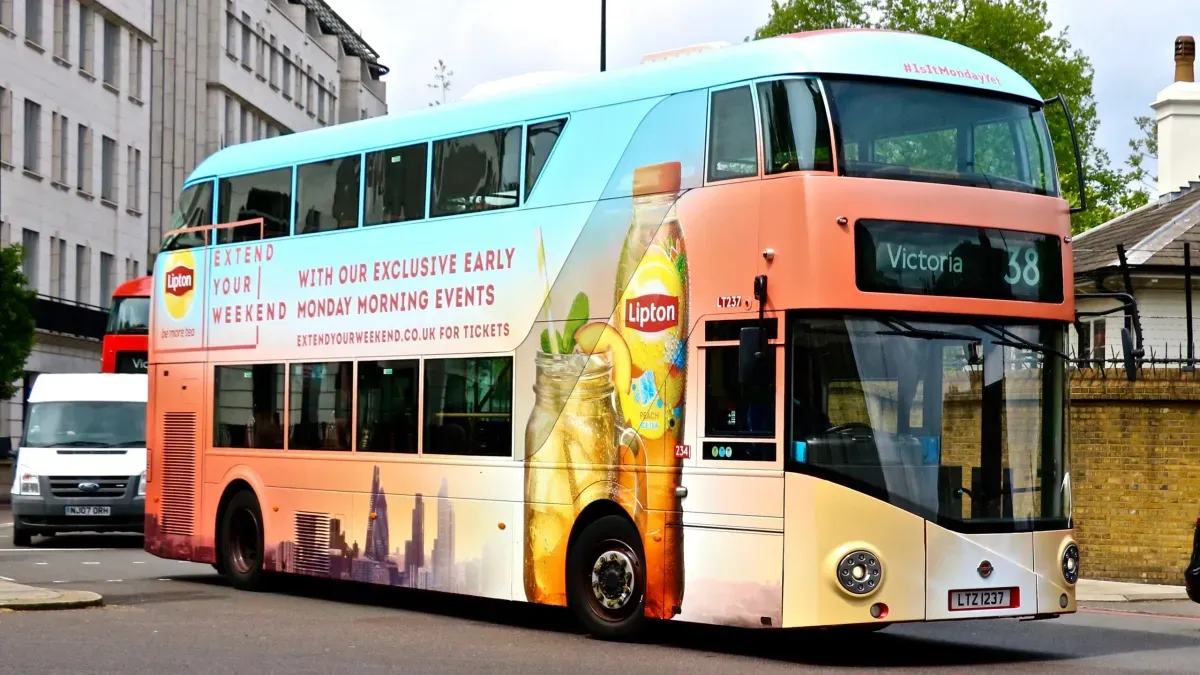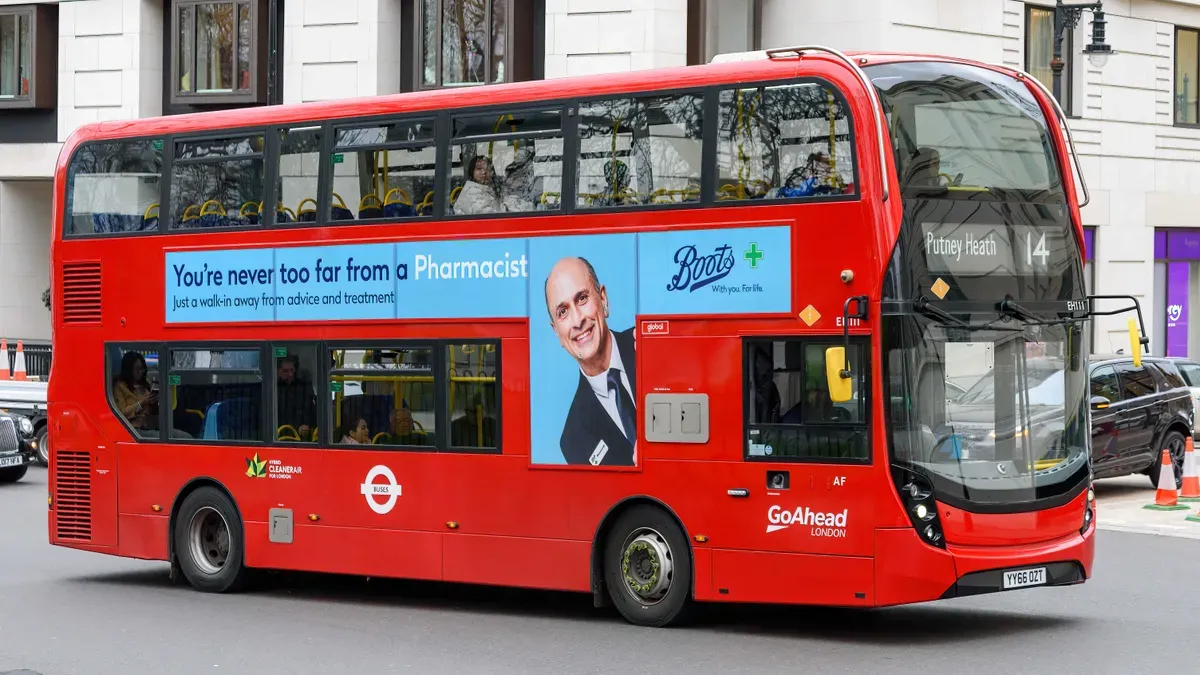
London bus advertising has long been a powerful way for brands to reach audiences across the city. As technology, consumer behavior, and data capabilities continue to evolve, bus advertising is becoming more dynamic, measurable, and impactful than ever before. The future of London bus advertising lies in combining traditional visibility with digital innovation to create smarter and more engaging campaigns.
1. Increased Use of Digital Bus Advertising
Digital screens on buses and at bus shelters are becoming more common across London. These displays allow advertisers to update messages in real time, schedule content based on specific times of day, and tailor campaigns to different audiences.
As digital infrastructure expands, brands will gain greater flexibility and control over their advertising campaigns.
2. Programmatic Buying Will Continue to Grow
Programmatic Out-of-Home (pOOH) technology is transforming how outdoor advertising is bought and managed. Instead of booking locations weeks in advance, advertisers can purchase bus advertising inventory automatically using real-time data.
This enables brands to:
- Adjust campaigns instantly
- Target specific audiences
- Optimize spending
- React to changing market conditions
Programmatic capabilities are expected to play a major role in the future of London bus advertising.
3. Data-Driven Targeting and Measurement
Advancements in data analytics are making bus advertising more measurable than ever. Brands can use location data, mobility insights, and audience demographics to identify optimal routes and advertising opportunities.
Future campaigns will increasingly rely on:
- Passenger movement data
- Consumer behavior insights
- Audience profiling
- Attribution measurement
This will help advertisers demonstrate clearer returns on investment.
4. Greater Integration with Mobile and Digital Channels
Bus advertising is becoming part of broader omnichannel marketing strategies. Future campaigns will seamlessly connect physical advertisements with digital experiences through QR codes, mobile interactions, social media engagement, and personalized online content.
This integration allows brands to guide consumers from awareness to action more effectively.
5. Dynamic and Contextual Advertising
The future of bus advertising includes campaigns that adapt to real-world conditions. Digital advertisements may change based on:
- Weather conditions
- Traffic levels
- Time of day
- Local events
- Audience demographics
For example, a coffee brand could promote hot drinks on cold mornings and iced beverages during warmer afternoons.
6. Sustainability Will Influence Advertising Strategies
As London continues its push toward sustainability, brands are increasingly seeking environmentally responsible advertising solutions. Modern buses, particularly electric and low-emission fleets, align well with sustainability-focused marketing initiatives.
Advertisers may increasingly use bus campaigns to communicate their environmental commitments and corporate responsibility goals.
7. Enhanced Creative Opportunities
Emerging technologies will create new possibilities for bus advertising creativity. Interactive displays, augmented reality experiences, and innovative vehicle wraps can transform buses into moving brand experiences.
These immersive formats help advertisers capture attention and generate stronger consumer engagement.
8. Growing Importance for Hyperlocal Marketing
Unlike some forms of mass media, buses travel through specific neighborhoods and communities. This makes them ideal for hyperlocal campaigns targeting consumers in particular districts of London.
Future advertising strategies will increasingly leverage route-specific targeting to reach audiences in areas that are most relevant to a brand's objectives.
9. Continued Reach in a Fragmented Media Landscape
As audiences become harder to reach through traditional television, print, and digital advertising alone, bus advertising will remain valuable because it cannot be skipped, blocked, or ignored as easily as online ads.
Its ability to deliver consistent visibility across London will continue to make it an attractive option for brands seeking broad audience reach.
10. Stronger Role in Smart City Ecosystems
As London develops into a smarter, more connected city, advertising infrastructure will become increasingly integrated with transportation networks and digital technologies.
Future bus advertising campaigns may leverage:
- Real-time audience insights
- Connected digital screens
- AI-driven campaign optimization
- Smart city data platforms
This evolution will allow advertisers to create more relevant and effective campaigns.