Bus stop advertising in London is a widely used outdoor media format because it delivers strong commuter visibility, consistent exposure, and flexible pricing compared to large-format billboards. Costs vary mainly based on location, duration, and whether the display is static or digital.
Below is a breakdown of current pricing and key cost drivers.
1. Standard Cost Range in London
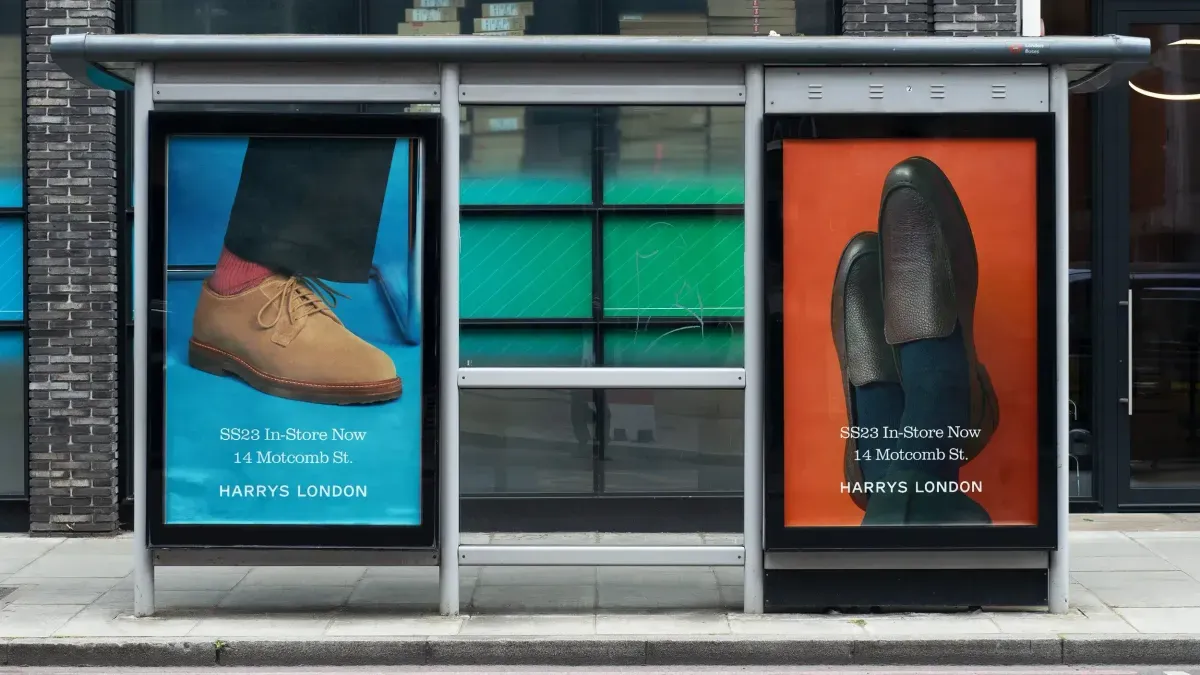
Bus stop advertising in London is mainly divided into digital formats and premium shelter-based placements.
For standard bus shelter advertising placements, the typical cost range is:
- Approx. £800 – £1,250 per week in most London areas
- Approx. £1,500 – £2,500+ per week in premium central locations
On average, most advertisers spend a few hundred pounds per week for basic coverage, while high-visibility central campaigns can reach several thousand pounds per week.
2. Digital Bus Shelter Advertising
Digital bus shelter advertising is the most common modern format in London.
Typical pricing:
- Approx. £800 – £1,250 per week in standard locations
- Approx. £1,500 – £2,500+ per week in high-demand central areas
Features:
- Video and animated advertising content
- Rotating ad slots shared between multiple brands
- High-brightness digital screens designed for day and night visibility
- Frequent content rotation for increased exposure opportunities
Why it costs more:
Digital formats command higher pricing because they offer motion-based content, better engagement, and stronger visibility in busy urban environments.
3. Shelter Takeovers (Full Bus Stop Branding)
A shelter takeover involves branding the entire bus stop environment, creating a high-impact advertising presence.
Typical pricing:
- Approx. £10,000 – £50,000+ depending on location and campaign scale
Features:
- Full visual dominance of the bus stop structure
- Branding across panels, glass surfaces, and surrounding areas
- High-impact visibility in targeted zones
Common use cases:
- Product launches
- Seasonal campaigns
- High-budget brand-awareness strategies
- Geographic targeting of specific districts
4. Cost Differences by Location in London
Location is the most important factor influencing price.
Central London (highest cost)
Areas such as Oxford Street, Soho, Westminster, and Canary Wharf have premium pricing due to:
- Extremely high pedestrian traffic
- Tourist-heavy zones
- Business and retail concentration
Inner London commuter zones (mid-range cost)
Areas such as Camden, Stratford, Shoreditch, and Clapham offer:
- Strong commuter visibility
- Moderate pricing compared to central zones
- High frequency of daily exposure
Outer London (lower cost)
Suburban locations provide the following:
- Lower advertising rates
- Local community targeting
- Consistent but lower-density audiences
Central London placements can cost two to three times more than outer zones due to traffic density and visibility value.
5. Why Bus Stop Advertising Is Cost-Effective
Even with rising media costs in London, bus stop advertising remains efficient because of several advantages.
High daily exposure
Bus stops are located in high-traffic pedestrian and commuter areas, ensuring continuous visibility throughout the day.
Repeated audience exposure
Many commuters pass the same locations daily, increasing brand recall through repetition.
Strong local targeting
Advertisers can focus on specific neighborhoods, retail districts, or transport hubs to reach relevant audiences.
Lower cost compared to other outdoor media
Compared to large roadside billboards or transport network campaigns, bus stop advertising offers a more affordable entry point while still delivering strong urban reach.
Consistent visibility without saturation risk
Unlike digital ads that can be skipped or ignored, bus stop ads are part of the physical environment and remain visible throughout the campaign period.