The United Kingdom is taking a clear step towards cleaner public transport with the launch of electric double-decker buses on some of its busiest regional routes. These new vehicles are designed to reduce emissions, improve air quality and modernise the passenger experience.
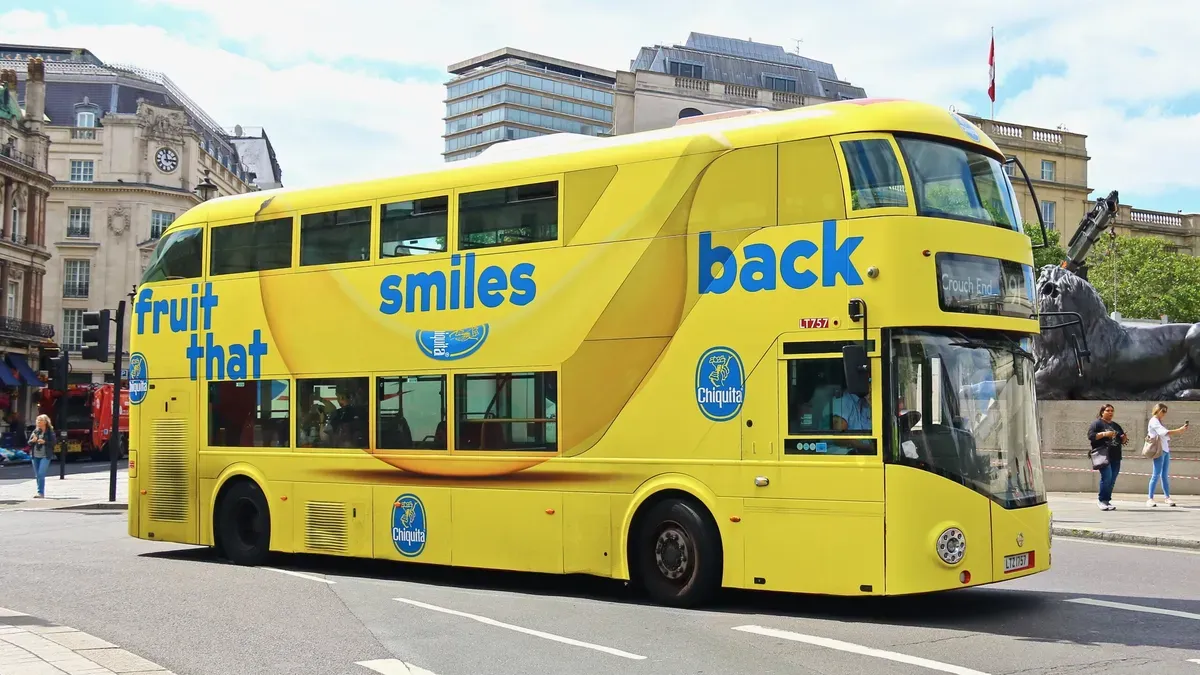
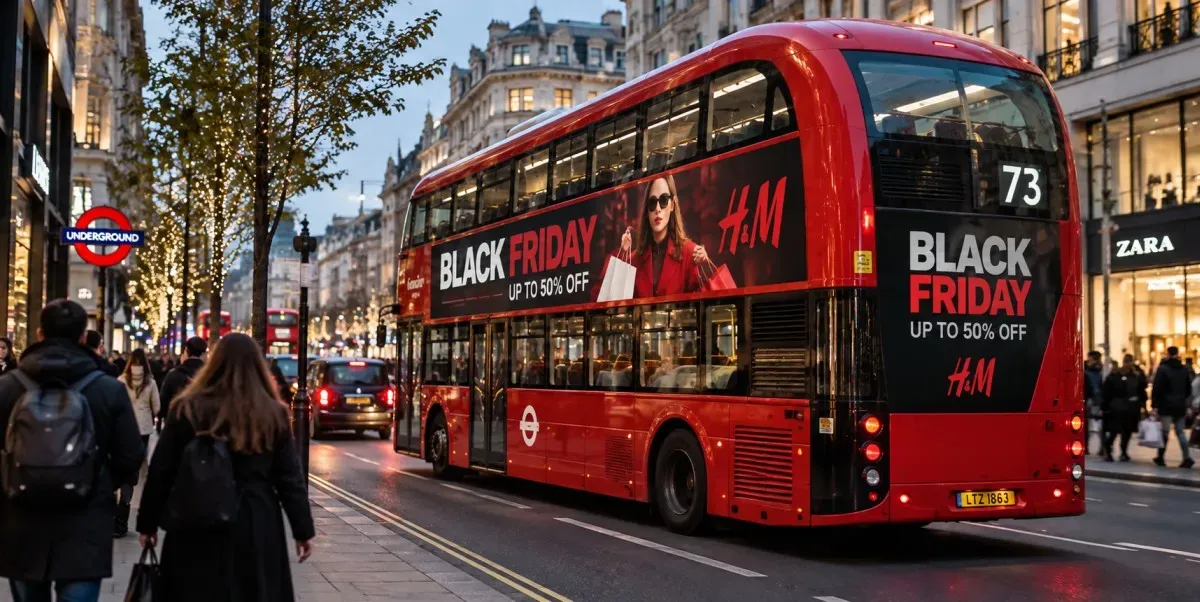
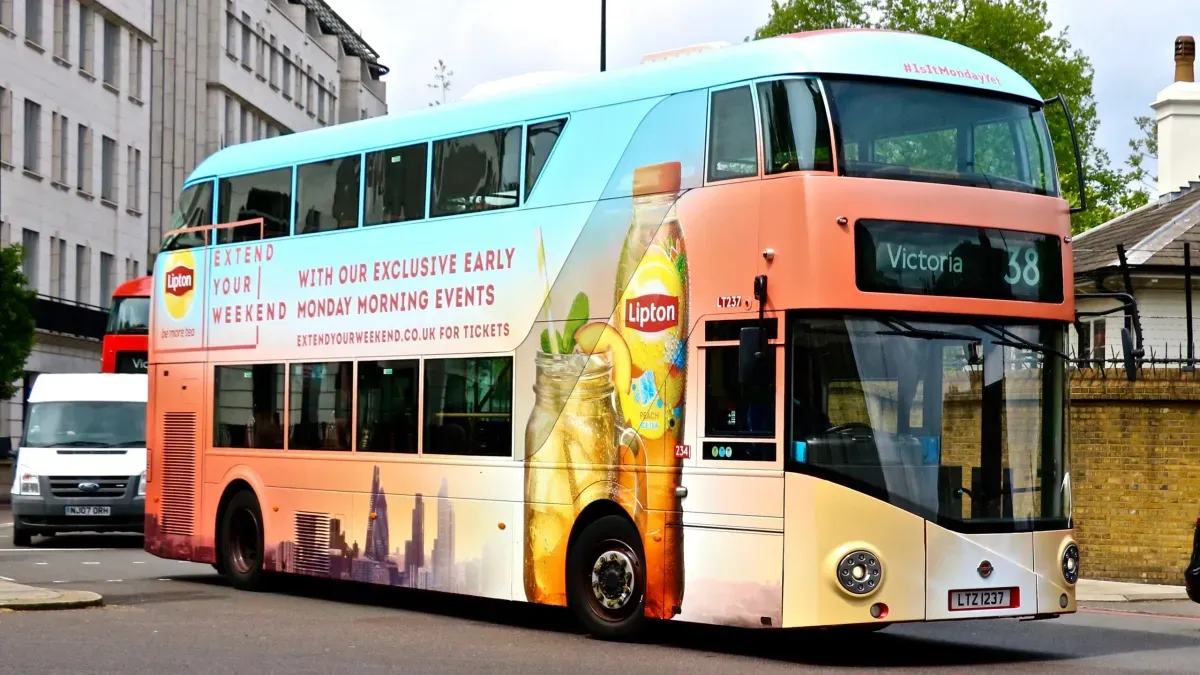
Alongside the environmental benefits, this rollout also creates fresh opportunities for brands looking to advertise on London buses. New buses naturally draw attention and their cleaner exterior design helps campaigns look sharper and more premium on the street.
For advertisers, the bigger story is visibility and relevance. As electric fleets expand across the UK, bus advertising becomes an even stronger way to reach commuters and shoppers in real settings, with large-format space that stays on the move all day.
A £17 Million Investment in Cleaner Travel
The introduction of electric double-decker buses forms part of a £17 million project supported by the UK government and regional transport authorities. The initiative aims to transform travel across heavily trafficked routes while supporting long-term environmental targets.
As part of this programme
- 29 brand new electric double-decker buses have been introduced by Go North East
- Funding includes more than £7 million from the UK government
- The project supports regional connectivity and sustainable growth
This investment shows a long-term commitment to cleaner transport rather than a limited trial.
Go North East Leads the Rollout
Go North East has taken delivery of the new electric double-decker buses as part of its plan to reduce emissions across the region. 29 new buses are already being prepared for daily operation on high-demand routes.
These buses are manufactured in the UK by Wrightbus and are built to handle heavy passenger volumes while offering quieter and more comfortable journeys.
From an advertising point of view, brand new fleets often attract more public attention, especially during the early months of rollout.
Routes That Deliver Daily Visibility
The electric double-decker buses will operate on some of the region’s most heavily used corridors. These routes connect major cities, employment hubs and shopping destinations.
Confirmed routes include
- Angel 21 linking Newcastle and Durham
- X66 connecting Gateshead to the Metrocentre
- Route 58 serving Newcastle, Heworth, and Follingsby
These routes carry consistent commuter traffic throughout the day, giving advertisers repeated exposure to the same audiences across the working week.
Cleaner Electric Buses Bring Better Advertising Conditions
Electric buses support cleaner travel and improved air quality on busy roads. For brands, it creates a modern transport setting that helps messages feel current and well-placed.
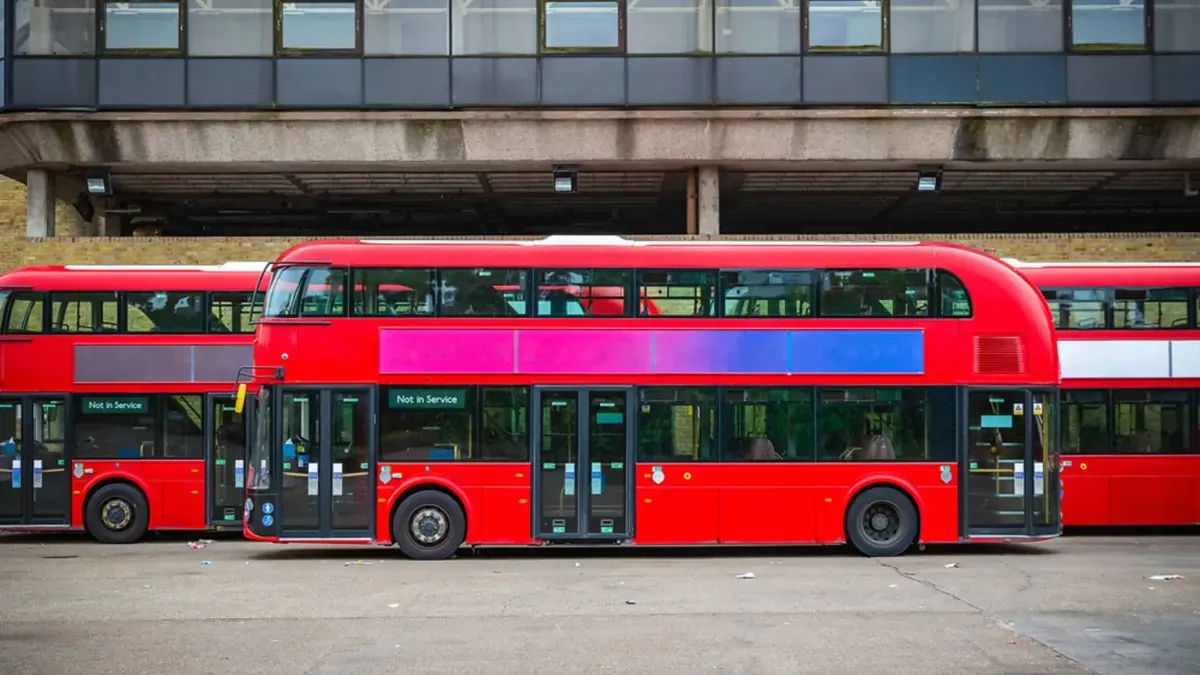
Electric double-deckers also bring practical advantages for advertising. Updated bodywork and smoother exterior panels give the artwork a cleaner finish, with strong visibility across main roads and residential areas.
This works well for campaigns focused on
- Innovation and progress
- Urban living and mobility
- Consumer services and retail
- Property, education and local services
Brands can benefit from the positive setting around cleaner travel without making environmental claims in the creative.
How Electric Buses Expand Opportunities for Advertisers
Electric double-decker buses support many of the same formats already used across the network, while also benefitting from refreshed fleets and planned route deployment.
Key advertising opportunities include
- Bus sides with long viewing time
- Rear ads seen in slow-moving traffic
- Interior panels reaching daily commuters
- Full bus wraps for high-impact visibility
As electric buses are rolled out on strategic routes, advertisers gain access to areas with strong footfall and repeat exposure. This helps brands plan campaigns with consistent reach across key locations.
What This Means for Brands Planning Bus Campaigns
The launch of electric double-decker buses gives brands a chance to refresh how they appear on the street. Campaigns can benefit from the combination of modern vehicles, strong routes, and growing public awareness around cleaner transport.
Brands planning to launch bus adverts can use electric buses to
- Support modern brand positioning
- Maintain strong daily visibility
- Reach broad audiences at street level
- Align campaigns with public transport investment
Planning Your Campaign with Experts
At London Bus Advertising, we help brands plan and deliver campaigns across the bus network, with clarity and precision. From format selection to route planning and artwork support, we manage the full process.
If you are considering London bus advertising and want to understand how new electric buses can support your campaign goals, speak to our team today. We will help you choose the right routes and formats to maximise visibility and impact.
FAQs
What are electric double-decker buses used for in the UK?
They are used on busy urban and regional routes to reduce emissions while maintaining high passenger capacity.
Can brands advertise on electric buses?
Yes. Electric buses support standard bus ad formats. Brands can use sides, rears, interiors and full wraps in the same way as traditional fleets, with the added benefit of a modern vehicle appearance.
Which routes will use the new electric buses?
They new electric double-decker will operate on routes such as Angel 21, X66, and 58, connecting major cities and employment areas.
Is advertising on electric buses good for brand image?
Advertising on modern electric buses supports a forward-thinking and responsible brand presence.