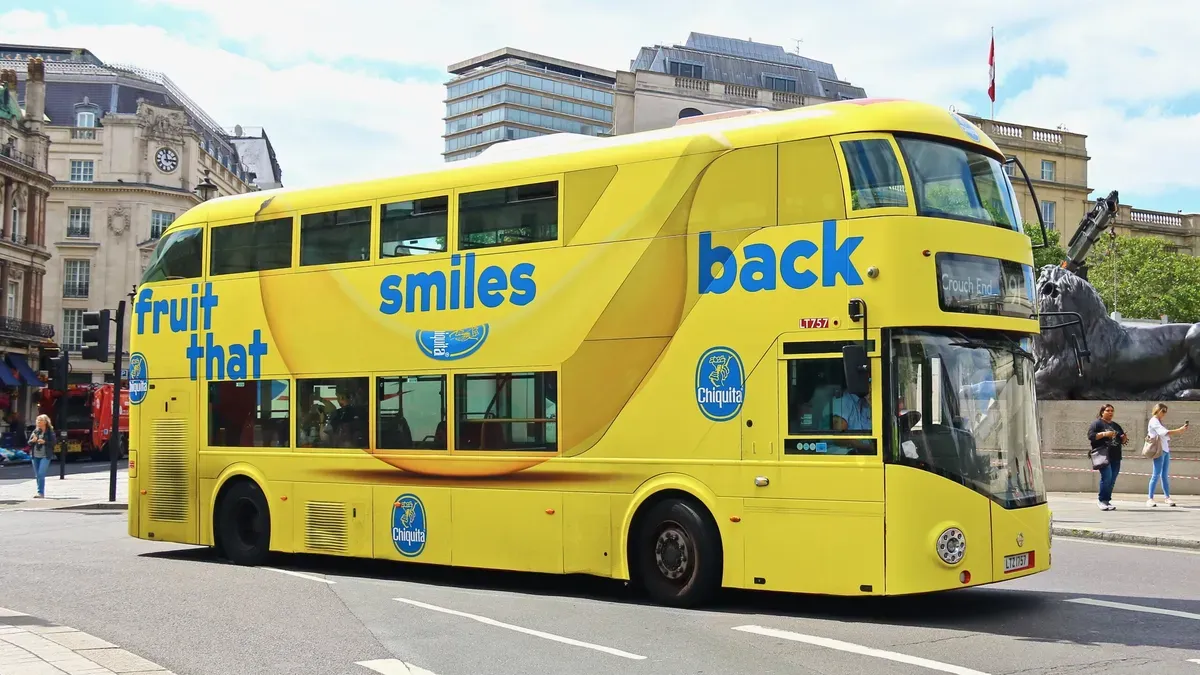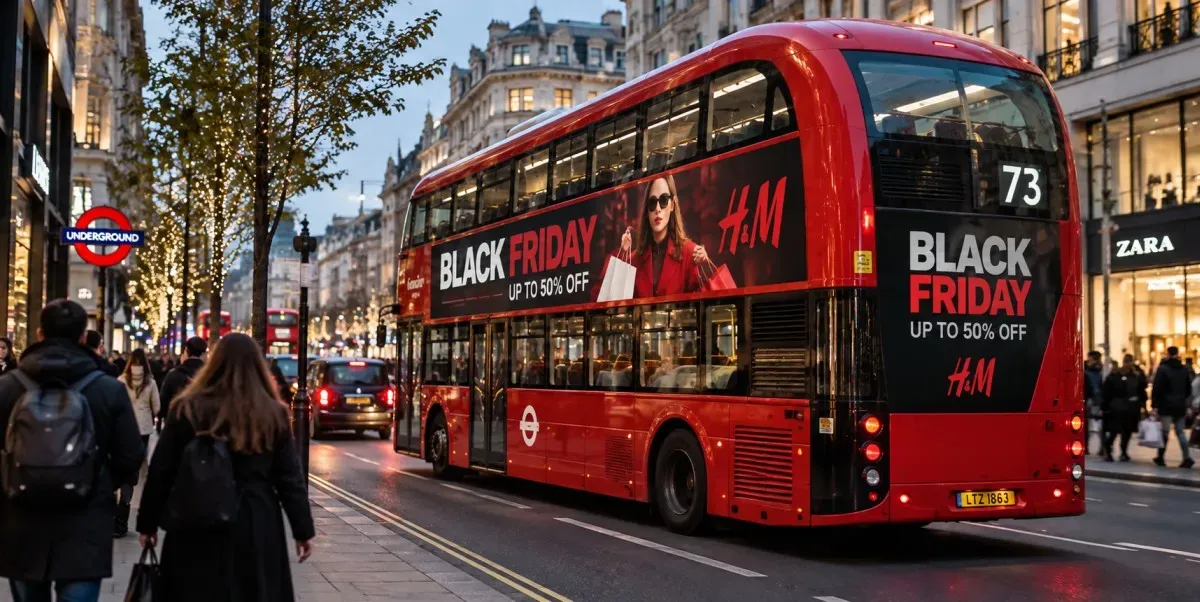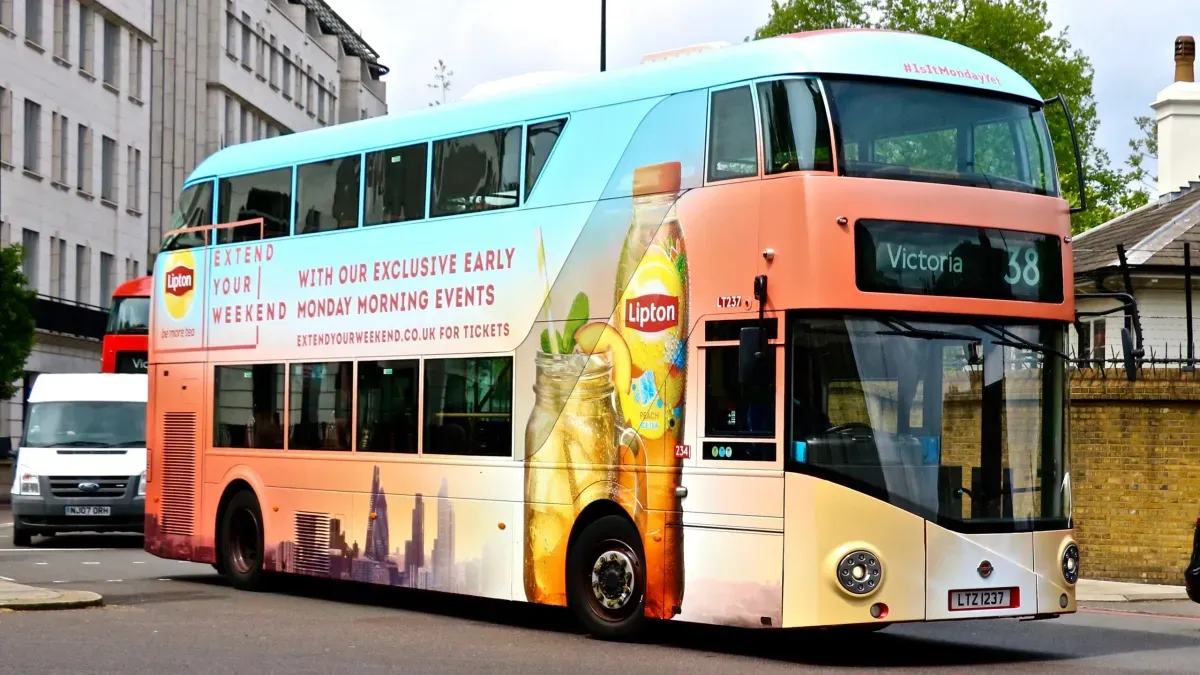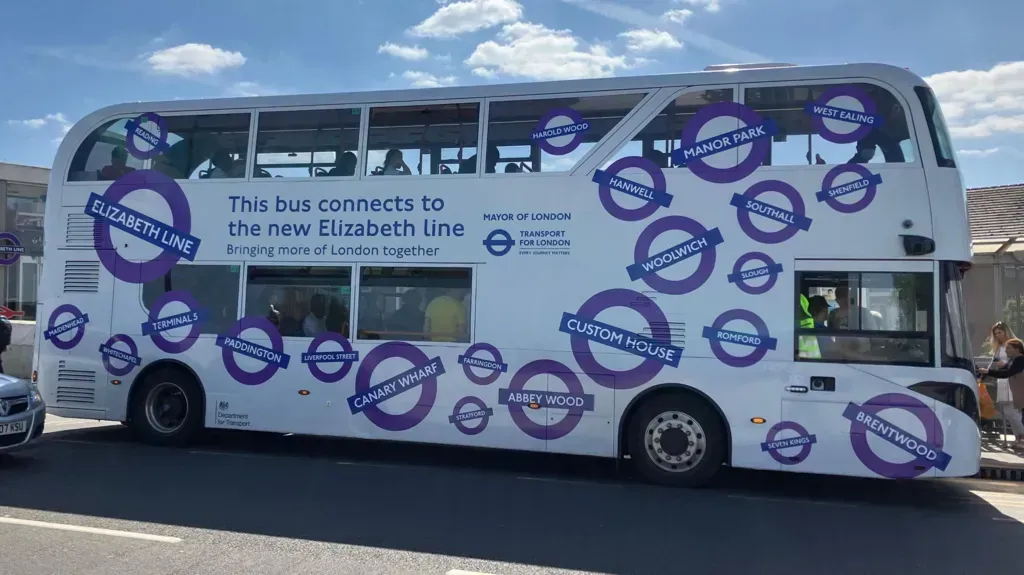
South East London has welcomed a major transport upgrade. The Superloop SL11 express bus route is now running between Abbey Wood and North Greenwich, strengthening connections across Thamesmead and Woolwich and unlocking fresh opportunities for brands looking to advertise on London buses.
With improved journey times, high-frequency services and a free travel launch week that generated strong public interest, the SL11 has quickly positioned itself as a key corridor in outer London. For advertisers, this is more than a transport update. It is a powerful new media channel running through areas primed for regeneration, growth and rising consumer footfall.
What the SL11 Superloop Means for South East London
The SL11 now links North Greenwich with Abbey Wood Elizabeth line station, operating as a limited stop express service via Thamesmead and Woolwich. It replaces the daytime service on route 472 and runs more frequently, with buses every six minutes during the day on weekdays and Saturdays.
A new night service, the N472, also operates overnight every 30 minutes, extending brand visibility around the clock.
Key route highlights
- Connects to the Elizabeth line at Abbey Wood
- Links with the DLR and London Underground at North Greenwich
- Serves Thamesmead, a major regeneration hotspot
- Part of the wider Superloop network across outer London
- Total Superloop network coverage now spans 135 miles
The report shows that the Superloop network has already carried around 60 million passengers since its introduction. That is a significant reach for any advertiser seeking scale without central London pricing.
A Regeneration Corridor with Rising Audiences
The SL11 supports regeneration plans in Thamesmead and aligns with proposals to extend the DLR from Gallions Reach to Beckton Riverside and Thamesmead. Government funding confirmed in the Autumn Budget has added momentum to development across the area.
Why does this matter for advertisers?
Regeneration corridors typically attract:
- First-time buyers and young families
- Renters commuting into central London
- Students using the Elizabeth line
- New retail and hospitality brands entering the area
Thamesmead has historically been under served by public transport. The arrival of a high-frequency express bus reshapes travel habits and increases dwell time at stops, interchanges and retail hubs.
For brands targeting growth markets in outer London, bus advertising along the SL11 route provides repeated exposure to a diverse and expanding audience.
High Frequency Means High Impact
Frequency drives visibility in out of home advertising. The SL11 operates every six minutes during the day on weekdays and Saturdays. That equates to up to ten buses per hour in each direction.
For advertisers using full bus wraps or bus sides, this means:
- Regular exposure at key junctions
- Strong roadside dominance
- Consistent repetition throughout the day
- Increased opportunity for social sharing
London bus ads work best when frequency meets high footfall areas. North Greenwich, for example, is home to the O2 arena, major office developments and strong residential growth. Abbey Wood benefits from the Elizabeth line, which has transformed commuting patterns and boosted property demand.
If your brand wants to build recognition quickly, this level of circulation matters.
Connecting Rail and Road Audiences
The SL11 strengthens links between bus, rail and Tube networks in South East London. This creates layered audience exposure.
A commuter might:
- Travel by bus from Thamesmead
- Change onto the Elizabeth line at Abbey Wood
- Continue into Canary Wharf or central London
Each step of that journey creates multiple touchpoints for brand messaging. When paired with formats such as bus rears, T-sides or supersides, campaigns can dominate commuter sightlines.
Bus advertising reaches a broad demographic mix. Unlike some media channels, bus formats capture drivers, pedestrians, cyclists and passengers simultaneously.
If your target audience includes working professionals, students, local families or event goers heading to the O2, then the SL11 corridor offers a balanced and scalable option.
Night Service Extends Brand Reach
The addition of the N472 night service means brands can maintain visibility overnight. Night buses often carry:
- Hospitality workers
- Event attendees
- Shift workers
- Airport and transport staff
Advertising on buses operating into the early hours extends campaign life beyond the traditional nine to five window.
For entertainment brands, food delivery platforms and late-opening venues, this audience can be particularly relevant.
Ready to Advertise on the SL11 Corridor
If your brand is exploring bus advertising in South East London, now is a smart time to assess availability along the SL11 route.
At London Bus Advertising, we specialise in planning and delivering effective bus advertising campaigns across the capital. We work closely with brands to maximise impact, manage budgets and secure the best formats.
Speak to our team today to discuss how the new Superloop route can power your next campaign.
Frequently Asked Questions
What areas does the SL11 Superloop serve?
The SL11 runs between Abbey Wood and North Greenwich via Thamesmead and Woolwich, connecting to the Elizabeth line, DLR and London Underground.
How frequent is the SL11 bus service?
Buses run every six minutes during the day on weekdays and Saturdays, with a new night service, N472, operating every 30 minutes.
Why is the SL11 route good for bus advertising?
The route serves regeneration areas, major transport hubs and high-footfall zones, offering repeated exposure to commuters and local residents.