London’s Green Milestone
London has now surpassed 2,000 zero-emission buses in active service, marking a key achievement in Transport for London’s (TfL) journey toward a fully decarbonised bus fleet by 2030. With this milestone, the capital operates the largest zero-emission bus fleet in Western Europe, ahead of cities such as Paris, Berlin, and Madrid.
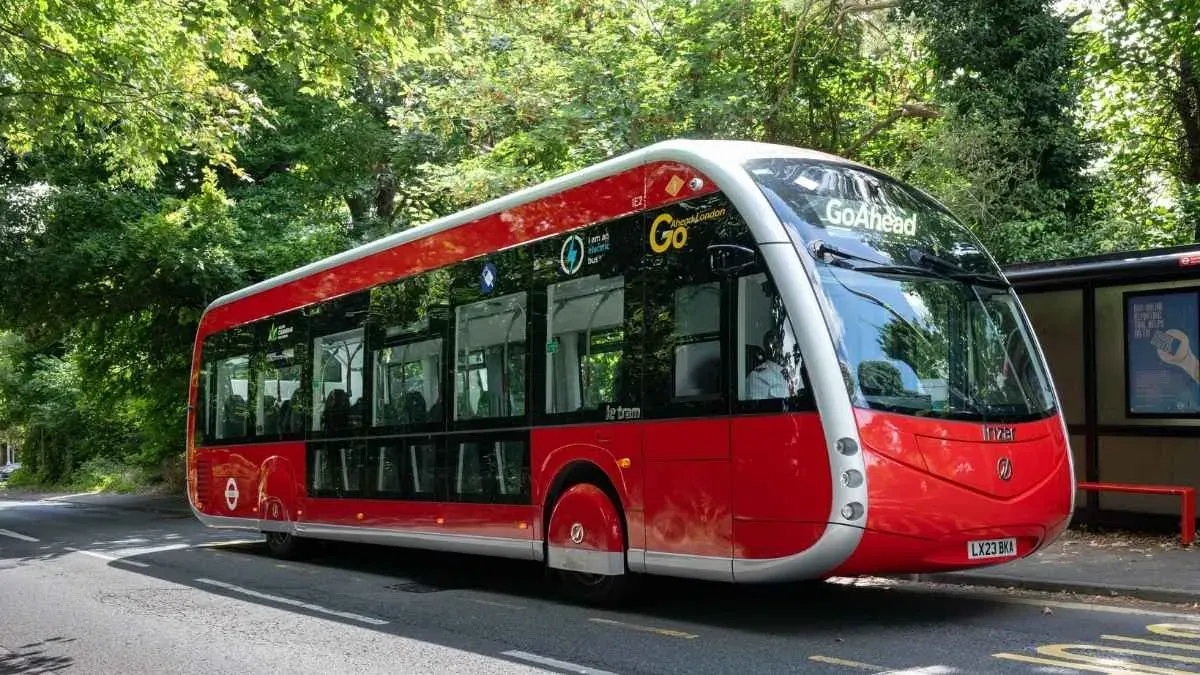
Currently, more than 20 per cent of London’s famous red buses are zero-emission, and 107 bus lines are now fully electrified. This represents significant growth from 2016, when only 30 electric vehicles operated in the city. TfL’s goal is for a fully zero-emission fleet within five years, with route 337 recently joining the network as a fully electric service operated by Transport UK using Wrightbus Electroliner vehicles.
Driving Cleaner Air and Lower Carbon Emissions
The transition to zero-emission buses is part of London’s wider commitment to address air pollution and the climate emergency. TfL estimates that moving to a fully zero-emission fleet will cut carbon emissions by around five million tonnes over the next two decades.
These efforts also align with broader transport initiatives, including the Bus Action Plan and Bus Safety Strategy. All new buses now meet zero-emission standards, while existing vehicles comply with Euro VI regulations to support the Ultra Low Emission Zone (ULEZ).
Supporting UK Manufacturing and Green Jobs
TfL’s zero-emission programme is also a boost for the UK manufacturing sector. The procurement of battery-electric and hydrogen-powered buses has created approximately 3,000 green jobs across locations such as Ballymena, Falkirk, and Scarborough. Wrightbus has recently received an order for 75 additional vehicles, expanding production capacity and supporting employment in 47 UK and Irish counties.
Innovations in Design, Safety, and Service
London’s electric buses incorporate advanced safety and operational features, including camera-based monitoring systems, enhanced driver visibility, speed-limiting technology, and audible pedestrian warnings. TfL has also introduced service improvements such as new and extended bus lanes, upgraded interchange points, and modern passenger information systems to boost ridership and efficiency.
The Superloop, London’s express orbital bus network launched in 2023, adds over six million kilometres to annual bus services, enhancing accessibility across outer boroughs. Beyond battery-electric buses, London operates 20 hydrogen fuel cell buses and trials innovative charging technologies like pantograph systems on route 358, enabling high-speed charging at terminals.
Setting a Global Standard
With more than a fifth of the red bus fleet now zero-emission, London sets a benchmark for sustainable urban transport worldwide. TfL’s approach demonstrates that investment in clean, innovative transport infrastructure can deliver environmental, economic, and social benefits simultaneously.
The capital’s journey toward a fully zero-emission bus fleet by 2030 highlights the potential for other cities to follow suit, combining decarbonisation with job creation, improved air quality, and enhanced mobility for residents.