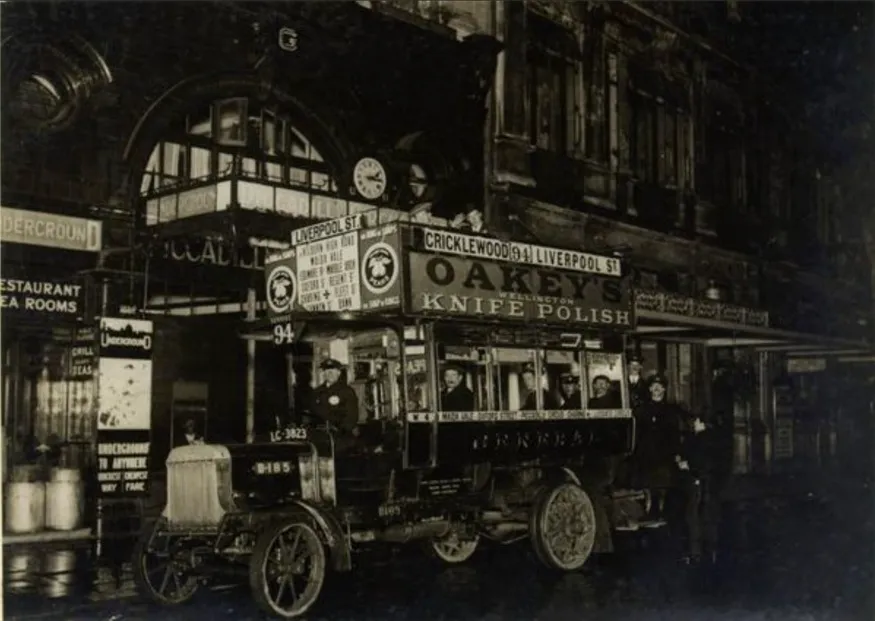
London’s night bus network has been quietly powering the city after dark for more than a century. Since its earliest routes began operating in 1913, the service has evolved into a vital part of the capital’s 24 hour rhythm. For brands, that continuity matters. It means visibility that does not switch off.
At 113 years old, the London Night Bus is not just a transport story. It is a lesson in consistent audience reach. From shift workers and early commuters to late night revellers and tourists, the same routes carry a remarkably broad cross section of Londoners. That makes London bus advertising one of the few formats that truly spans the full day.
A network that never sleeps
London changes character dramatically between day and night, but the bus network remains a constant. Night buses fill the gap when the Underground winds down, connecting key districts and outer boroughs.
This creates a rolling audience cycle:
- Early risers heading into central London before sunrise
- Daytime commuters and shoppers
- Evening diners and theatre goers
- Late night workers in hospitality and healthcare
- Night owls travelling home in the early hours
Few advertising channels maintain that level of continuity. When you advertise on a London bus, your campaign does not rely on a single peak moment. It builds frequency across multiple audience types throughout the day.
Why round the clock visibility matters
The strength of London bus advertising lies in repetition. A message seen once is easily forgotten. A message seen across different times of day becomes familiar.
Night buses play a crucial role in extending that exposure window. Campaigns remain active long after traditional formats lose visibility. For example:
- A bus side campaign continues to generate impressions during late night traffic in Soho or Shoreditch
- Bus rear ads remain highly visible in slower moving evening congestion
- Interior panels engage passengers during longer night journeys
This extended dwell time is often underestimated. At night, journeys can be longer and less hurried. Passengers are more likely to notice and absorb messaging inside the bus.
Reaching a broader and more diverse audience
One of the biggest misconceptions in advertising is that audiences can be neatly segmented by time of day. London does not behave that way.
The night bus network highlights how varied the city’s population is:
Early morning professionals
Many sectors start before 7am. Finance, logistics and retail workers rely on early buses. Advertising placed on routes into central London ensures consistent exposure to this group.
Students and young audiences
Night buses are heavily used by students and younger demographics. Campaigns targeting entertainment, fashion or technology benefit from this late night reach.
Shift workers and essential services
Healthcare staff, emergency services and hospitality workers depend on night buses. These audiences often have high frequency travel patterns, increasing repeated exposure to ads.
Tourists and visitors
London’s nightlife attracts global visitors. Night buses often serve as their primary transport, especially in central zones. This provides international brand exposure in a local setting.
This mix is difficult to replicate through digital channels alone. With london bus advertising, the same campaign can speak to multiple audience segments without additional media spend.
Formats that maximise impact across the day
Different advertising formats perform in different ways depending on the time of day. A well planned campaign uses this to its advantage.
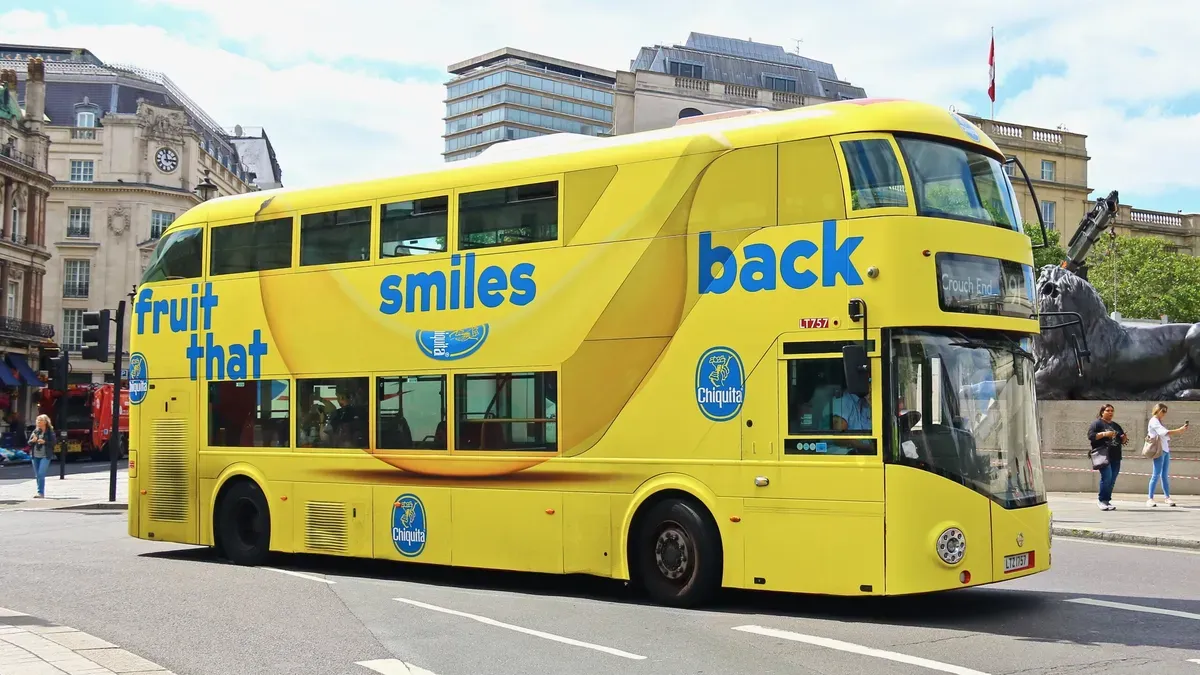
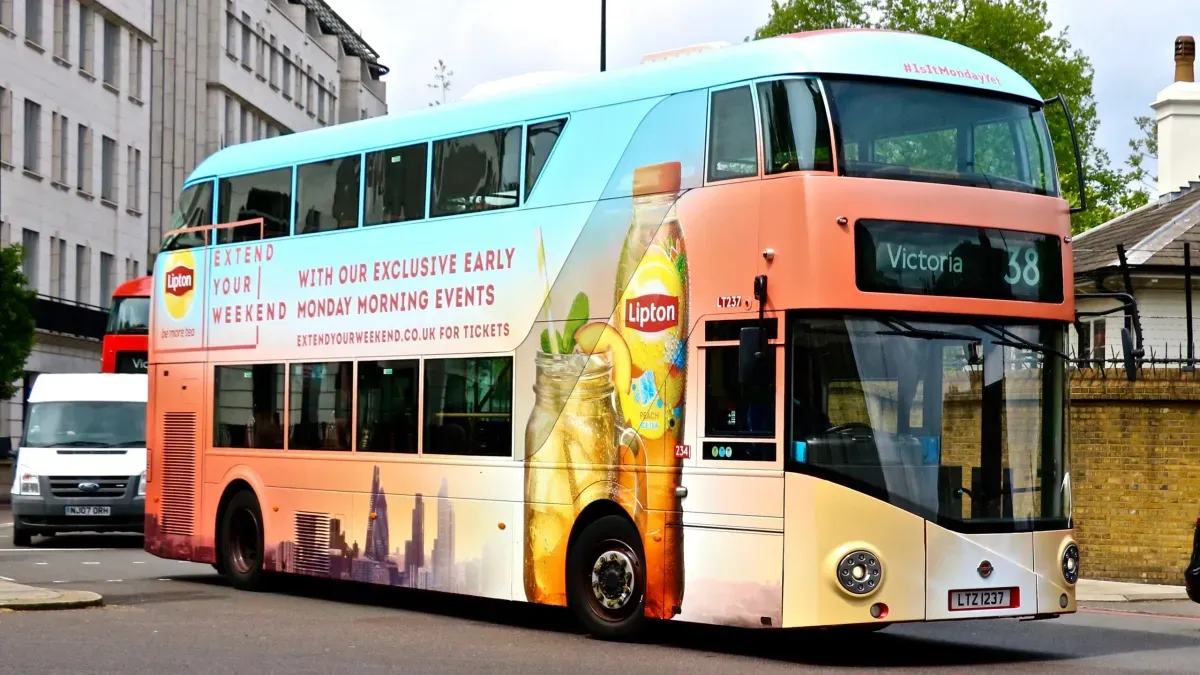
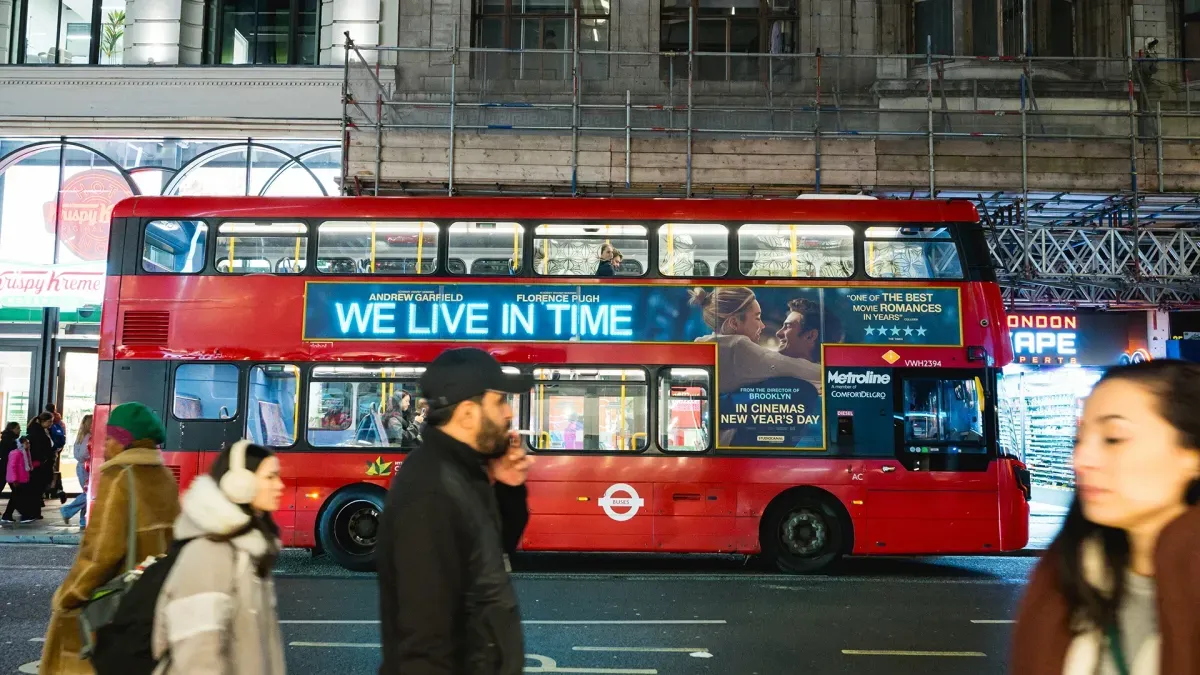
Bus sides and full wraps
These dominate during daylight hours but remain effective at night under street lighting. High contrast designs and bold visuals help maintain visibility.
Explore formats such as bus wraps and bus sides
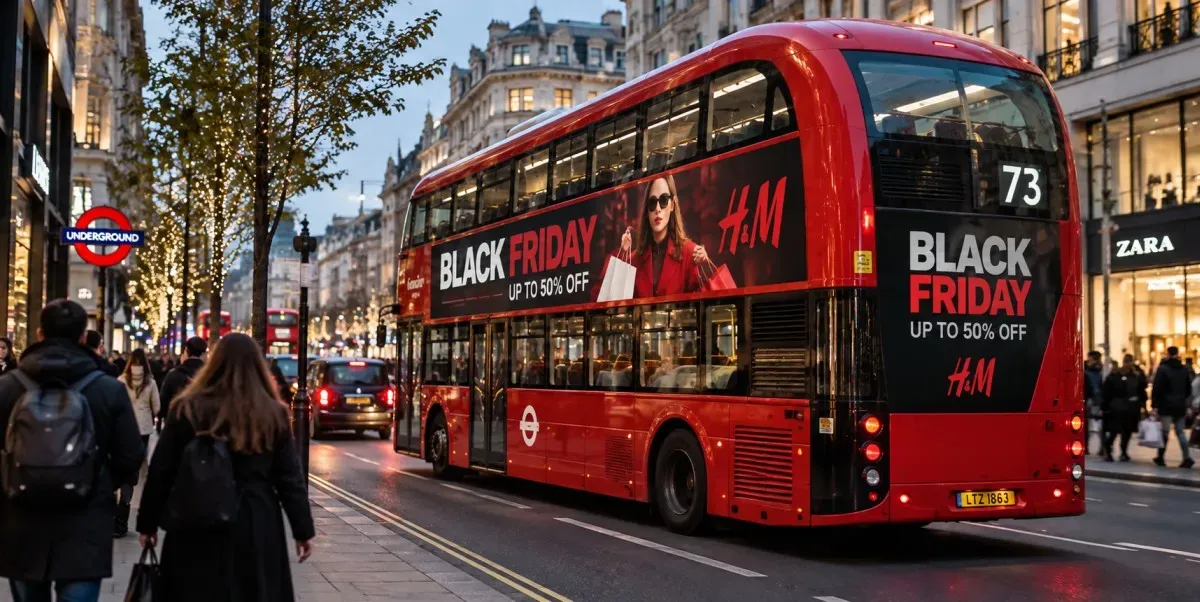
Bus rears
Particularly effective in evening and night traffic where vehicles are closer together. They deliver strong recall in congested areas.
Bus interiors
Night time journeys often mean longer dwell times. Interior advertising becomes more powerful, especially for detailed messaging or calls to action.
The advantage of consistency over time
The London Night Bus reaching 113 years is not just a milestone. It is proof of reliability. Routes adapt, vehicles modernise, but the core service remains.
For advertisers, that reliability translates into:
- Predictable reach across key routes
- Consistent exposure across weekdays and weekends
- Long term brand building through repeated impressions
Campaigns that run over several weeks or months benefit the most. As highlighted in industry insights, long term bus advertising often delivers stronger brand recall and better return on investment.
Planning a campaign that works day and night
To fully leverage the night bus network, campaigns should be designed with a 24 hour mindset.
Consider:
- Route selection that covers both commercial and nightlife areas
- Creative that works in both daylight and artificial lighting
- Messaging that resonates with multiple audience types
- A duration that allows for repeated exposure
This is where professional planning and design support becomes essential. A campaign that looks strong at midday should still stand out at midnight.
If you want to turn that constant movement into consistent visibility, explore your options or get started.
FAQs
How does London Bus Advertising reach both day and night audiences
London buses operate throughout the day and night, especially with the night bus network. This allows campaigns to reach commuters, workers and social audiences across a full 24 hour cycle.
Is advertising on night bus routes effective
Yes. Night routes often have high passenger engagement and longer journey times, which can increase ad recall, particularly for interior formats.
Which bus advertising format works best at night
Bus rears and interiors perform strongly at night due to closer traffic conditions and longer passenger dwell time, while bus sides remain effective with strong design.
Why should brands advertise london bus instead of digital only
London bus advertising delivers physical, unavoidable visibility across diverse audiences and complements digital campaigns by reinforcing brand recognition in the real world.