London on New Year’s Eve
Every year, London transforms into a city-wide celebration on New Year’s Eve. Streets fill with people heading to riverfront viewpoints, concert venues, restaurants, and late-night parties, all moving across the capital with the same goal of being in the right place when midnight arrives.
Public transport plays a central role in how the night unfolds. With road closures, pedestrianised zones, and extended operating hours across the network, planning how to get around London becomes just as important as choosing where to celebrate.
The London Fireworks and Riverfront Celebrations
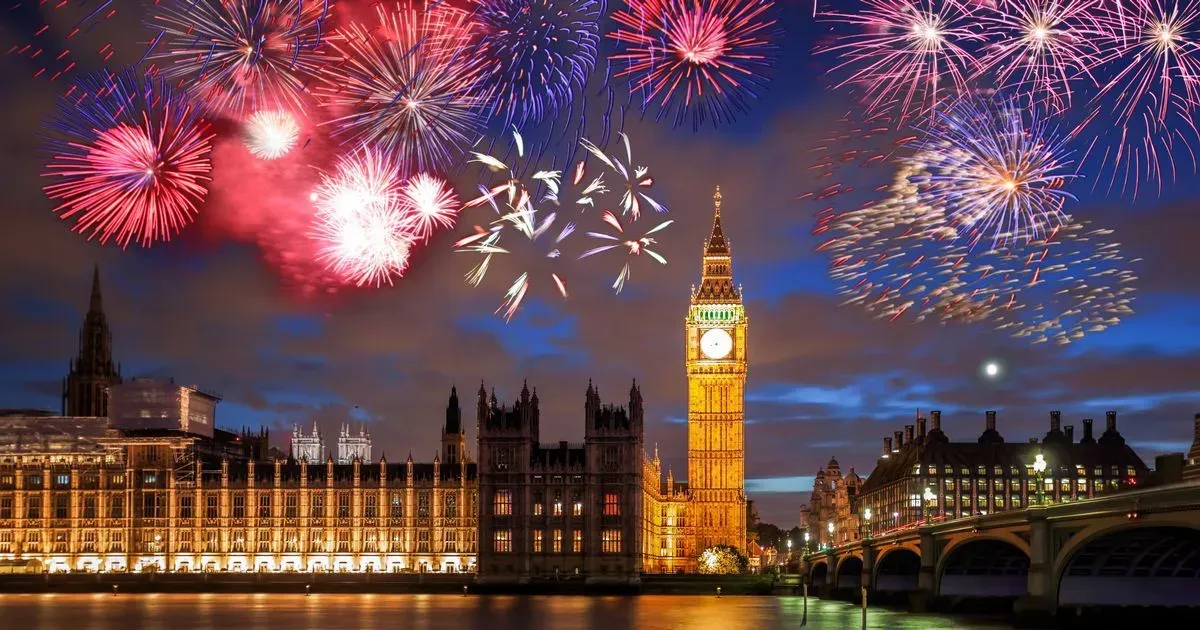
The centrepiece of New Year’s Eve in London remains the official fireworks display along the Thames, launched from the London Eye area. Viewing zones stretch across Waterloo, Westminster, Embankment, and parts of South Bank, with ticketed access required for most prime locations.
Large crowds also gather outside the ticketed zones, particularly along bridges and riverside stretches further east and west. Areas around Blackfriars, Vauxhall, and Tower Bridge attract those hoping to catch glimpses of the display without being directly inside the main viewing areas.
Travel into central London is heavily managed on the night. Many Tube stations near the river operate exit-only systems or temporary closures, making buses and walking routes an important part of the journey home once the fireworks end. Night buses operate at high frequency across central corridors, helping move crowds away from the river after midnight.
Live Music, Concerts, and West End Nights
London’s music scene is a major draw on New Year’s Eve, with concerts and live performances taking place across the West End, Camden, Brixton, and Hackney. Classical concerts at landmark venues, headline DJs, and live bands all form part of the city’s end-of-year offering.
Theatres in the West End often run special New Year’s Eve performances, timed so audiences exit close to midnight. These areas benefit from dense public transport coverage, with multiple bus routes serving Shaftesbury Avenue, Covent Garden, Soho, and Leicester Square throughout the night.
While some Underground lines reduce service after the early hours, buses continue to link entertainment districts with residential areas across north, south, east, and west London, making them one of the most reliable ways home once venues close.
Dining, Hotels, and Rooftop Venues
Restaurants, hotels, and rooftop bars across London host New Year’s Eve dinners and countdown events, particularly in areas such as Mayfair, Kensington, Canary Wharf, and the City. Many of these venues offer views across the skyline rather than direct views of the fireworks, appealing to those looking for a more relaxed celebration.
These locations are typically well served by a mix of Tube stations and bus routes, although demand spikes sharply between 10pm and midnight. Travelling earlier in the evening and returning later is often easier than trying to move around at peak midnight hours.
Bus routes connecting major hotel districts remain busy but continuous, offering a dependable option once Tube services begin to thin out in the early morning.
Clubs and Late-Night Parties Across the City
For those heading to clubs, New Year’s Eve events are spread widely across London. Shoreditch, Peckham, Brixton, and Dalston all host large-scale parties that run into the early hours of New Year’s Day.
These areas benefit strongly from London’s night bus network, which becomes the backbone of travel once rail services reduce. Buses link nightlife hubs with outer boroughs, making them essential for getting home safely after 2am.
Roadside crowd management around popular clubbing areas can slow traffic, but dedicated bus lanes and priority routes help keep services moving through busy zones.
Getting Around London on the Night
Public transport on New Year’s Eve typically operates on a special schedule, with free travel during the overnight period. While Tube services run later than usual, buses provide the most consistent coverage across the city, particularly after midnight when crowds begin to disperse.
Road closures in central London affect private vehicles and taxis far more than buses, which are routed to keep services running even during major crowd movements. For many Londoners and visitors, buses offer the most flexible way to move between events, return home, or change plans as the night evolves.
Walking also becomes part of the journey, especially around the Thames, where distances between stations and bus stops are often shorter than expected once crowds thin out.
A City That Moves Together into the New Year
New Year’s Eve in London is as much about movement as it is about celebration. Millions of people travel across the city in a single evening, heading to fireworks, music, dining, and parties before flowing back out again in the early hours of the morning.
London’s public transport network, especially its extensive bus services, makes this possible. As the city counts down to midnight and welcomes the New Year, buses, trains, and night services quietly keep London connected, ensuring that the celebration does not stop when the clock strikes twelve.