London moves on buses. In 2025 the capital’s bus network continued to carry millions of daily journeys across shopping streets, business districts and residential zones. For brands planning campaigns in 2026, these numbers matter. Understanding where people travel and where buses spend the most time helps advertisers place messages in front of the right audiences.
This article breaks down the London bus 2025 stats that advertisers should care about when planning future campaigns.
Why 2025 Bus Data Matters for 2026 Campaigns
London bus ads work best when planning is guided by movement patterns rather than assumptions. The 2025 data highlights where demand remains strong and where footfall continues to concentrate.
For advertisers, this supports better decisions around:
- Route selection
- Format choice
- Campaign length and timing
- Budget allocation
Using recent London bus stats gives confidence when brands run their London bus campaign in 2026.
Busiest Areas Served by London Buses in 2025
Bus usage remained highest in areas where retail, employment and leisure overlap. These zones attract consistent weekday and weekend travel.
Central London Hotspots
Central London continued to lead in passenger volumes due to office travel, tourism and retail.
Key areas included:
- Oxford Street and Regent Street
- Tottenham Court Road
- Piccadilly Circus
- Westminster and Whitehall
Buses in these areas move slowly through traffic and lights, which increases ad visibility. For brands focused on mass awareness, these routes remain valuable.
Major Transport Interchanges
Stations with strong bus connections recorded heavy daily footfall.
Common characteristics include:
- Multiple bus routes converging
- High dwell time at stops
- Strong pedestrian crossover
Areas around major rail and Underground stations stayed among the busiest in 2025. Advertising close to these hubs helps brands reach commuters at repeat moments during the week.
High Footfall Zones That Matter to Advertisers
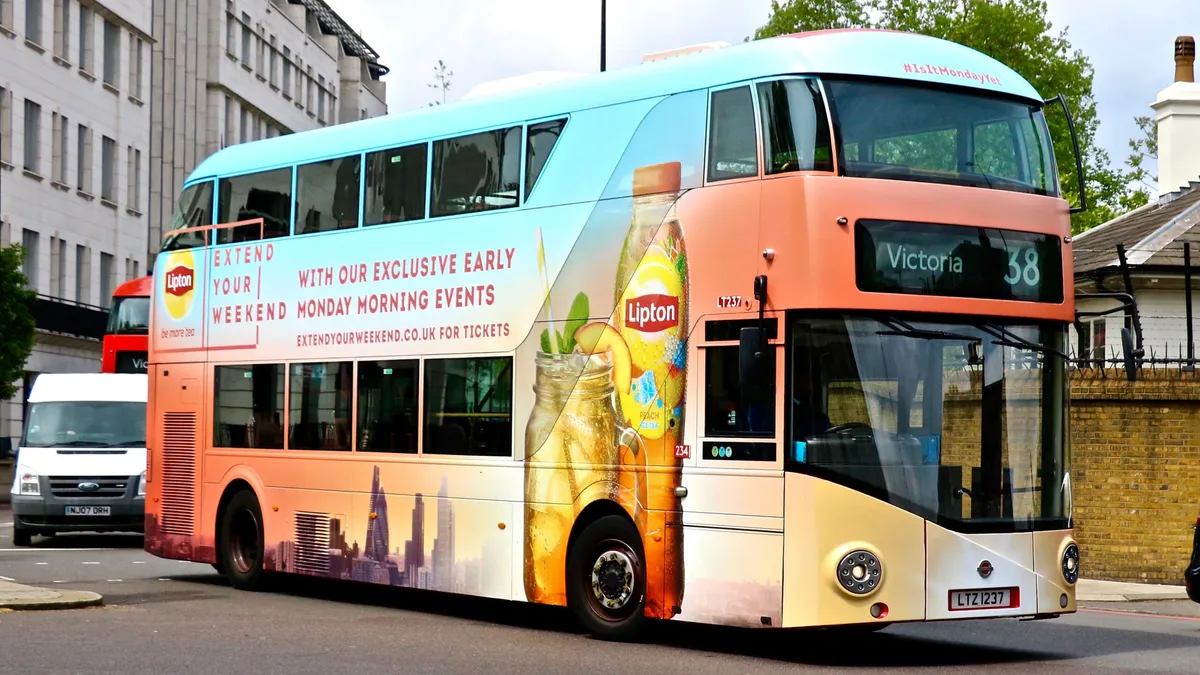
Footfall is not just about passenger numbers. It is also about who sees the bus while walking, driving or waiting.
Retail Led Streets
Shopping corridors continued to deliver strong exposure.
These streets benefit advertisers because:
- Buses pass slowly
- Pavements stay busy throughout the day
- Exposure continues into evenings and weekends
This makes bus sides and bus wraps effective in these areas for fashion, food, tech and entertainment brands.
Residential to Employment Routes
Outer London routes linking housing areas to employment centres remained consistent in 2025.
These routes support:
- Daily repetition
- Local familiarity
- Strong recall over time
Bus rears perform well here as they sit at driver eye level in traffic and are seen repeatedly by the same audience.
Routes That Delivered Consistent Exposure in 2025
Some routes stand out due to their length and coverage across multiple neighbourhoods. These include:
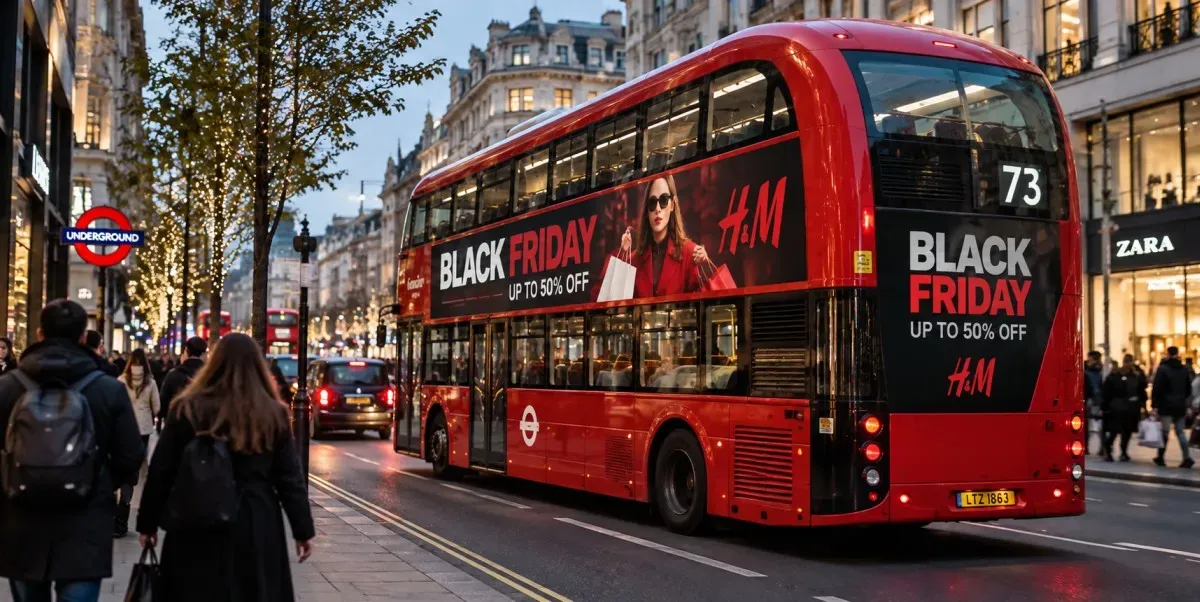
- Route 73 (Oxford Circus to Stoke Newington Common)
- Strong for retail plus commuter flow, cutting through busy zones such as Kings Cross and Angel.
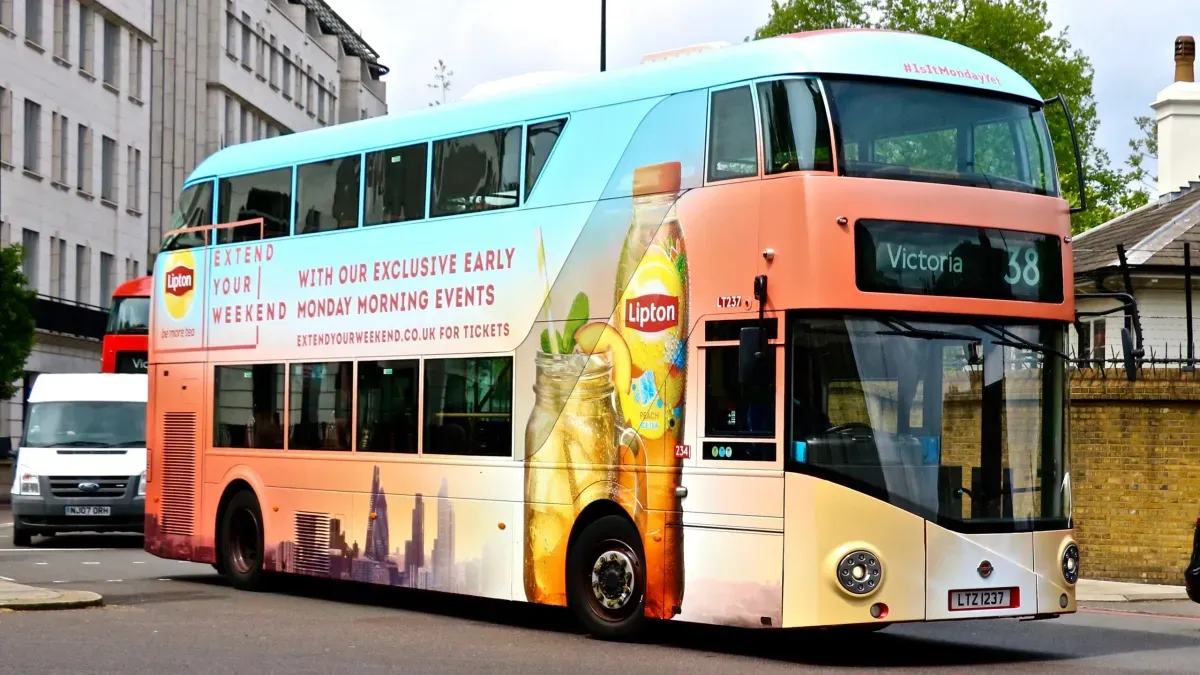
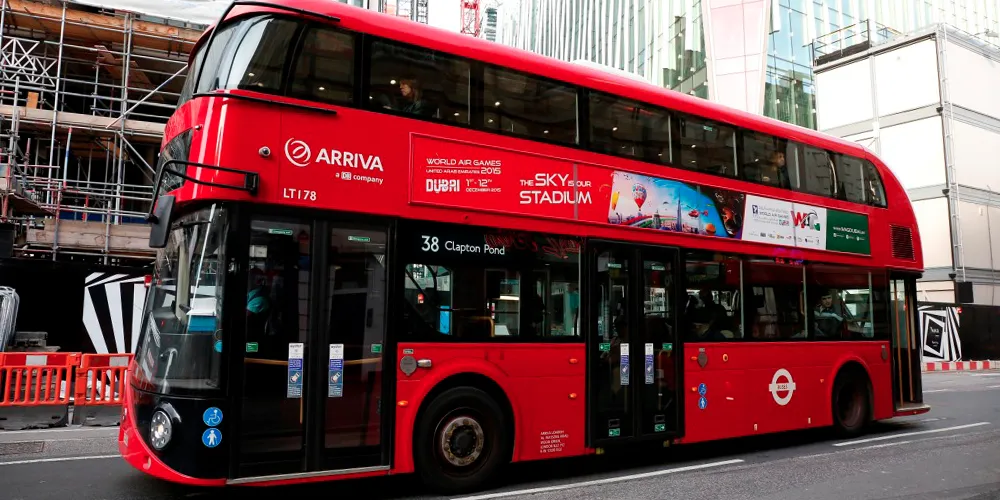
- Route 38 (Victoria Bus Station to Clapton Pond)
- Great for central visibility with steady exposure through the West End and onward into Hackney areas.
- Route 29 (Trafalgar Square and Charing Cross to Lordship Lane)
- A solid north to central connector that stays busy across key mixed use stretches.
- Route 25 (Holborn Circus to Hainault Street)
- Covers central to East London movement, supporting strong repetition across commuter and high street locations.
Advertisers value these routes because they:
- Travel through mixed demographics
- Pass schools shops and offices
- Operate at high frequency
When planning London bus advertising for 2026, these routes offer balanced exposure without needing city wide coverage.
What 2025 Stats Reveal About Ad Format Choice
The way people travel influences which format works best.
Bus Rears for Repetition
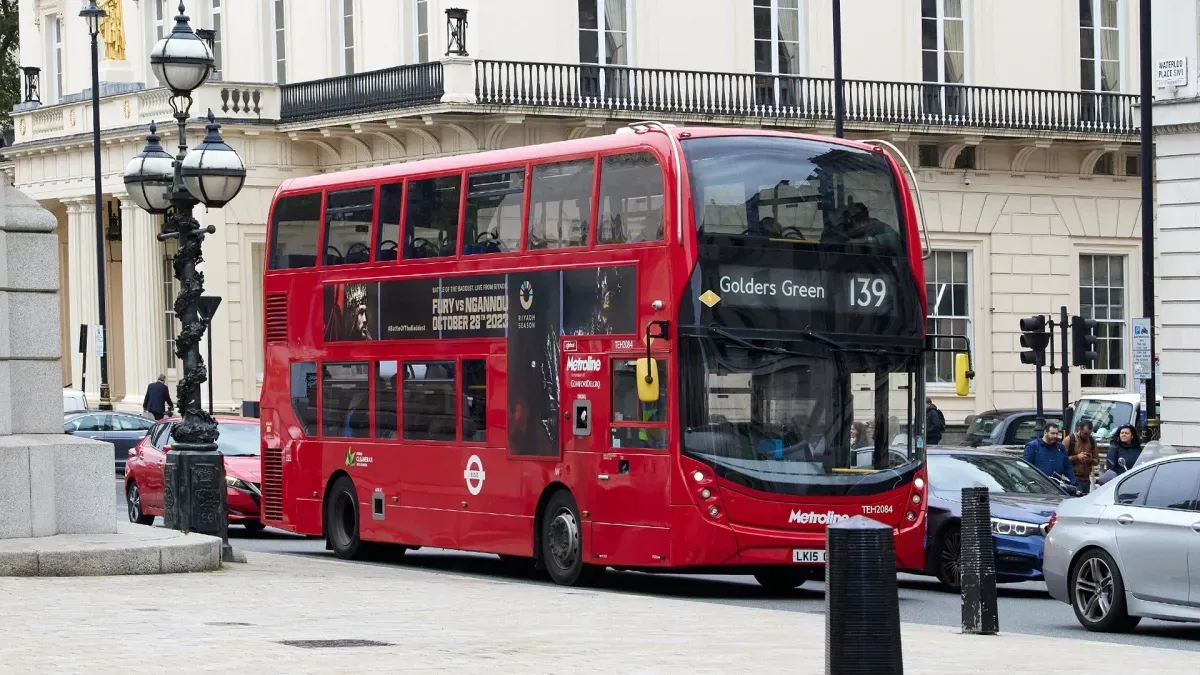
Bus rears suit areas with slower traffic and commuter congestion.
They work well for:
- Local services
- Education and recruitment
- Healthcare and community campaigns
Bus Sides and Wraps for Impact
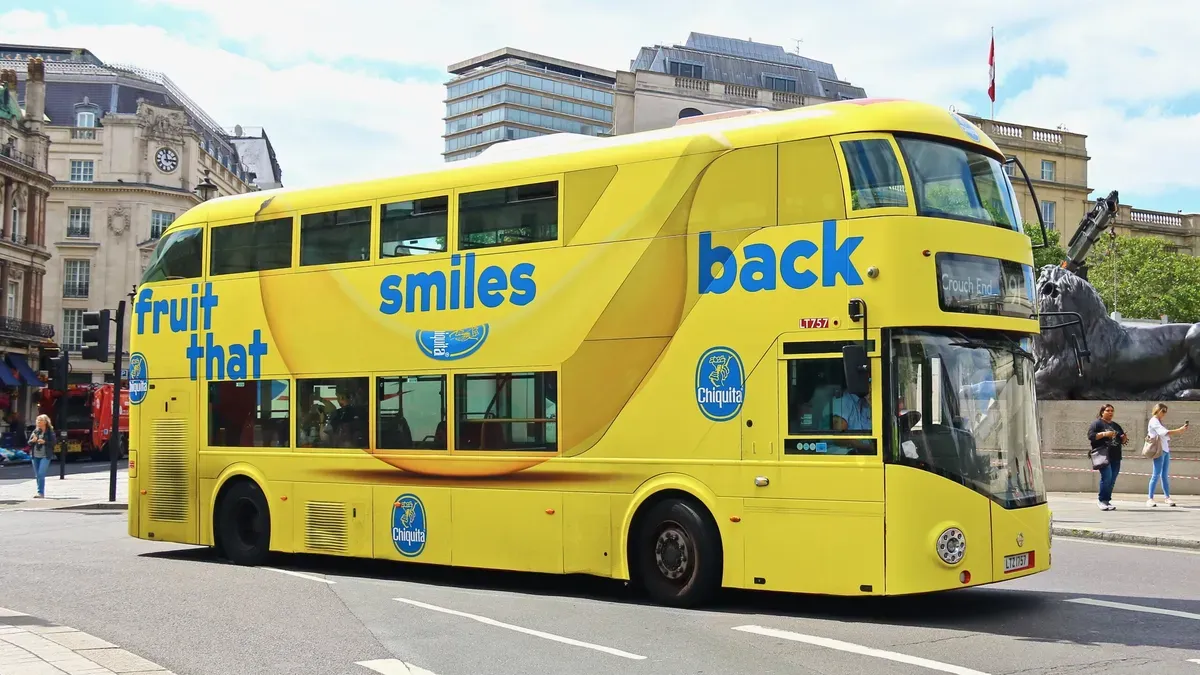
Side panels and full wraps suit high footfall streets and central areas.
They support:
- Product launches
- Brand awareness drives
- Seasonal retail pushes
Matching format to route behaviour improves results when brands run London bus campaigns.
Seasonal Trends Seen Across 2025
Travel patterns shifted throughout the year.
Key trends included:
- Strong spring and summer leisure travel
- Stable autumn commuting
- Increased retail travel during November and December
Advertisers planning for 2026 can align campaign timings with these patterns to stay visible during peak movement periods.
Using 2025 Stats to Plan Smarter Campaigns in 2026
The biggest lesson from 2025 is that focused planning outperforms broad coverage. London bus advertising works best when routes, formats and timing align with how people actually move.
Brands that use recent stats benefit from:
- Better audience alignment
- More efficient spend
- Stronger message recall
Plan Your 2026 Campaign
At London Bus Advertising, we help brands turn data into practical campaign plans. From route selection to format advice, we support advertisers at every stage.
If you are planning to advertise on London buses in 2026, speak to our team. We use real movement insights to build campaigns that make sense for your audience and budget. Check out our Campaigns & News page to see our work.
FAQs
Why are the London bus 2025 stats useful for advertisers?
They show where people travel most, which helps brands place ads where visibility stays high.
Which areas saw the highest bus activity in 2025?
Central London shopping streets, major stations and busy residential commuter routes.
What bus format works best on busy routes?
Bus sides and wraps suit high footfall streets while rears work well on commuter routes.
How can brands use 2025 data for 2026 planning?
By choosing routes, formats and timings that match real travel patterns.