How to Use London Buses to Launch Your Next Product Effectively
London buses remain one of the most visible and versatile out of home formats for brands looking to make a statement. With extensive routes covering residential areas, retail districts and commuter corridors, buses allow marketers to create the kind of repeated, public visibility that product launches rely on. When a campaign is planned with clarity and creativity, bus advertising becomes one of the most powerful tools for shaping awareness across the capital.
Brands use buses to build impact during peak travel moments, reinforce digital activity and create a sense of citywide presence. From bus supersides and rears to full branded wraps, each placement supports a combination of coverage and frequency that very few formats can offer. For categories such as FMCG, technology, food and drink, lifestyle and seasonal retail, London buses can carry a new product directly into the paths of the audiences that matter.
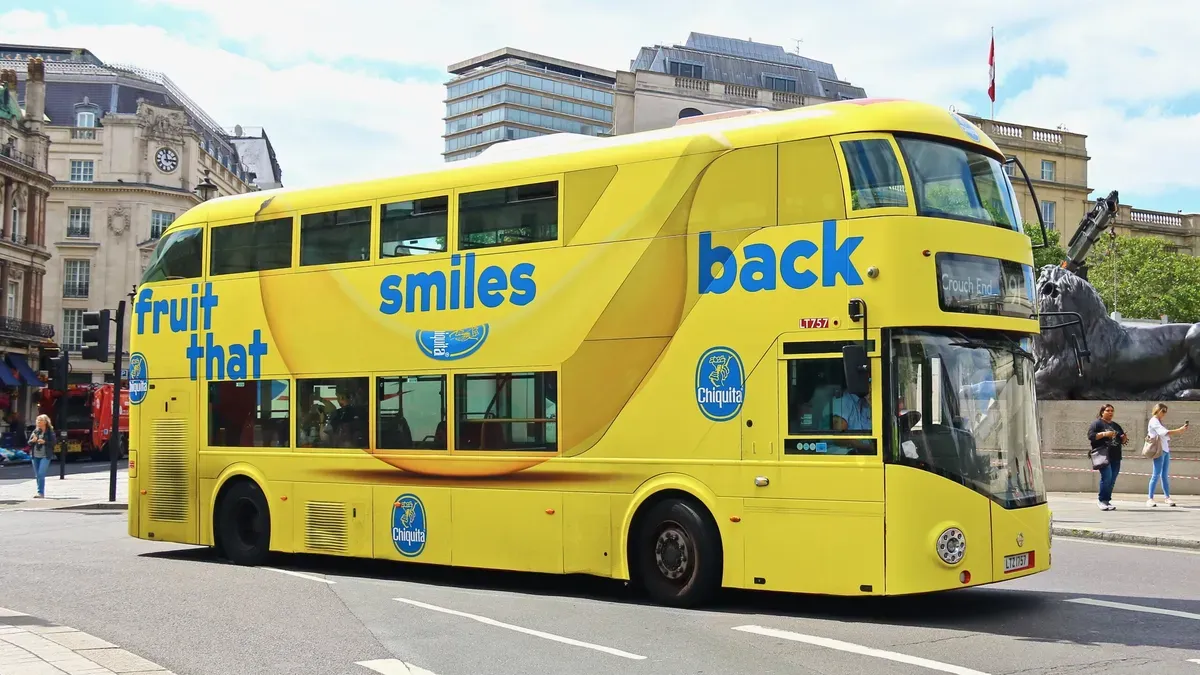
One of the strongest examples of how a brand can use buses for an effective, citywide product story comes from this summer’s Chiquita campaign, which brought a refreshed creative energy to London’s streets.
What the Chiquita Campaign Demonstrates About Bus Advertising
Between 30 June and 3 August, Chiquita rolled out six branded zero emission buses across some of the busiest London routes as part of its wider campaign titled “Likely The Best Snack Ever”. As one of the major suppliers at New Covent Garden Market and the leading wholesale banana brand in the UK, the company wanted a visible, positive and memorable presence during a season when healthy snacking is at its peak.
The decision to use buses aligned with two of Chiquita’s priorities. The first was environmental responsibility. The buses chosen were part of London’s expanding electric fleet, allowing the campaign to sit comfortably alongside the sustainability values that matter to today’s consumers. The second was the need for creativity. Four buses carried bold slogans positioning the banana as the ideal snack for commuters, families and people on the move during summer. Another bus featured exclusive artwork created by a well-known pop artist, bringing a distinctive burst of colour to the city. A sixth bus carried a Spot the Difference concept that encouraged passers-by and passengers to try to find the single Chiquita Blue Sticker hidden among the design.
The campaign’s message, as shared by John Cockle, Sales and Market Director for Chiquita UK and Ireland, focused on joy, wellness and everyday convenience. This fitted naturally into the summer period when families travel more, workers commute to and from the city and people look for quick, nutritious snacks that suit busy routines.
Chiquita’s approach demonstrated how a bus campaign can balance clarity, creativity and purpose. It also showed how an FMCG brand can use transit media advertising as a bridge between product messaging and the lifestyle moments of its consumers.
Why Bus Advertising Supports Strong Product Launches
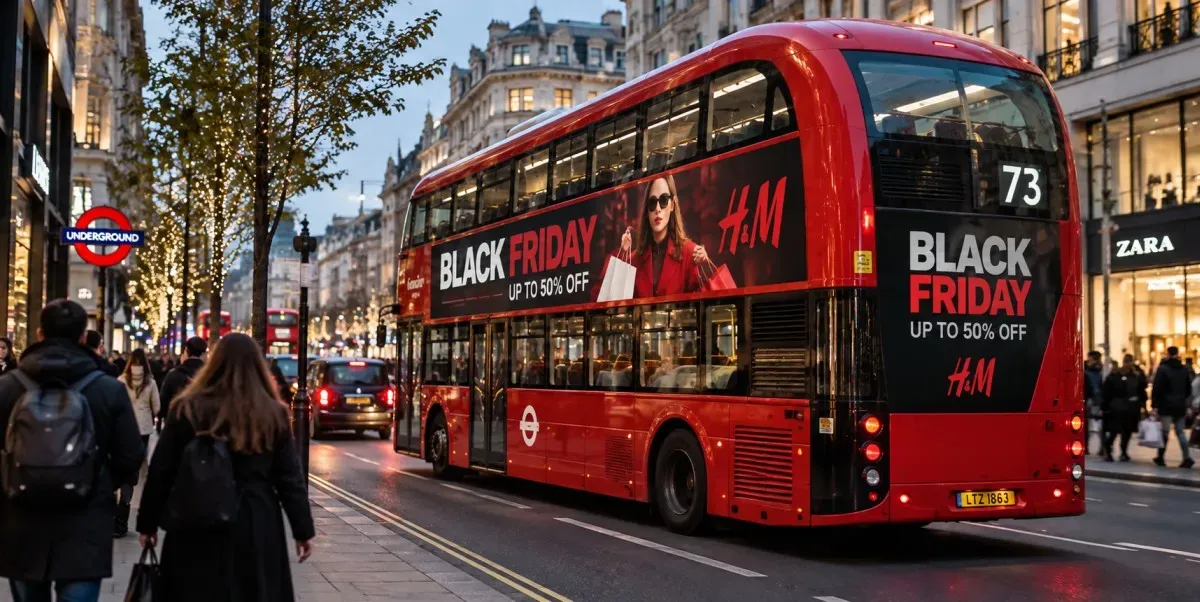
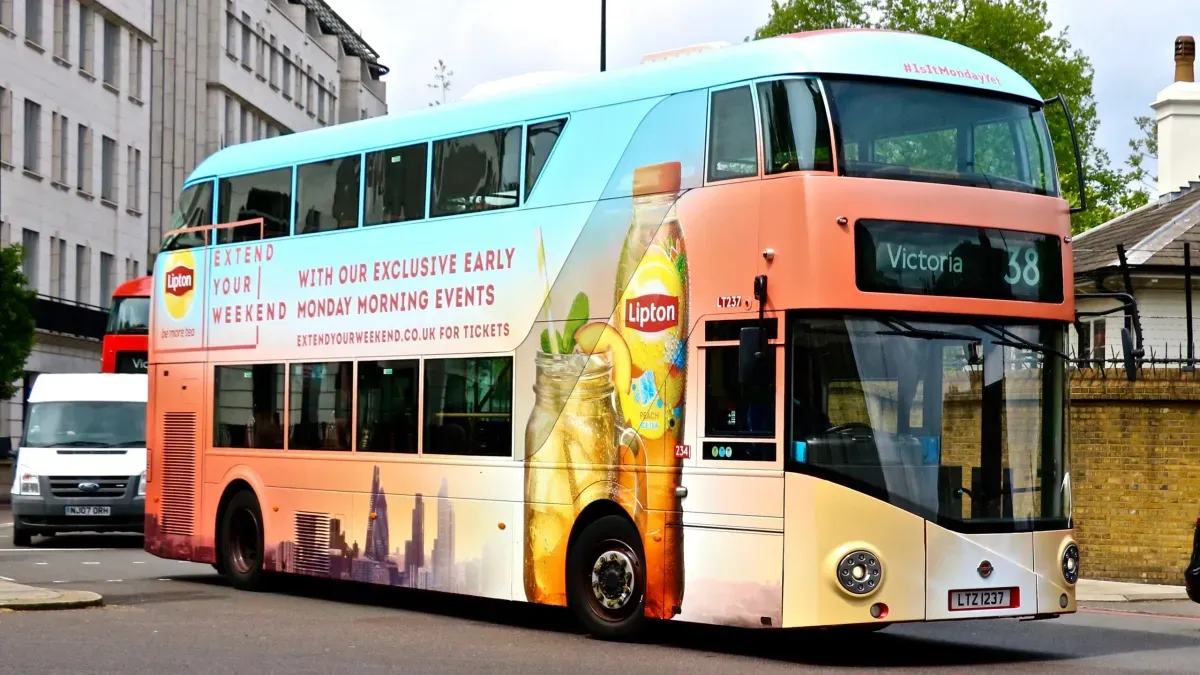
Bus advertising works well for launches because it delivers visibility from multiple angles. Supersides dominate the view on high streets, bus rears influence drivers in traffic and full wraps deliver standout in areas where footfall is heavy. These placements pair well with a new product message because they meet audiences during repeat journeys, which helps build familiarity quickly.
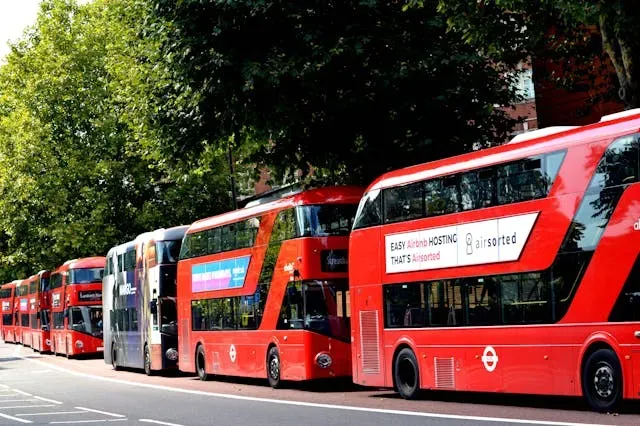
London’s bus network covers central zones, neighbourhood routes and major retail districts. This allows brands to reach a balanced mix of workers, families, tourists and weekend shoppers. When a campaign includes a mix of supersides, rears and wraps, the product becomes part of the natural visual environment of the city, which strengthens recall.
Bus ads also work with wider out of home advertising such as digital billboards, underground panels, taxi ads and roadside screens. For many brands launching a product, the combination of buses and digital out of home supports both visibility and frequency, particularly across large catchment areas.
Outdoor advertising, bus advertising London, bus supersides, bus rears, taxi advertising and metro advertising all play complementary roles during launches, and buses often sit at the centre of this mix because of their scale and mobility.
How to Plan an Effective Product Launch Using London Buses
Success begins with route selection. Brands map the best routes that pass through high relevance areas such as retail zones, school run corridors, commuter districts or weekend leisure destinations. Creative execution is equally important. Designs that use clear imagery, bold colour and minimal text tend to perform best because they remain legible during movement.
Timing also matters. FMCG brands often activate during summer, back to school or early winter. Fashion campaigns may choose key shopping months. Tech products often select September and October when consumer interest is high. Aligning the bus run with the natural peak of your product category can make a significant difference.
Many brands choose to pair bus advertising with digital out of home or retail media to reinforce the message at the point of purchase. This is particularly effective when launching products that benefit from strong in store visibility or online search interest.
A Clear Path for Brands Planning Their Next Launch
For brands preparing new products in 2026, London buses offer a practical and high impact route to market. The Chiquita campaign demonstrates how creativity, sustainability and strong placement can combine to produce a memorable and effective activation. With the right mix of routes, design and timing, buses can support a full city presence while working naturally alongside other out of home formats.
As consumer behaviour continues to evolve, the reliability and reach of the London bus network keep it at the centre of many launch strategies. For any brand aiming to achieve broad public awareness, steady frequency and meaningful visibility, this format remains one of the strongest tools available across the out of home landscape.