Bus advertising is one of the most visible forms of outdoor advertising, offering brands the opportunity to reach a large and diverse audience in cities and towns. Unlike stationary billboards, bus ads are mobile, allowing messages to move across neighborhoods, business districts, and tourist areas. This dynamic form of advertising can create high awareness, promote products or services, and drive engagement. Understanding how bus ads work, their benefits, formats, and effectiveness is essential for marketers planning an impactful campaign.
Types of Bus Ads
Bus ads come in several formats, each with its unique advantages depending on campaign objectives:
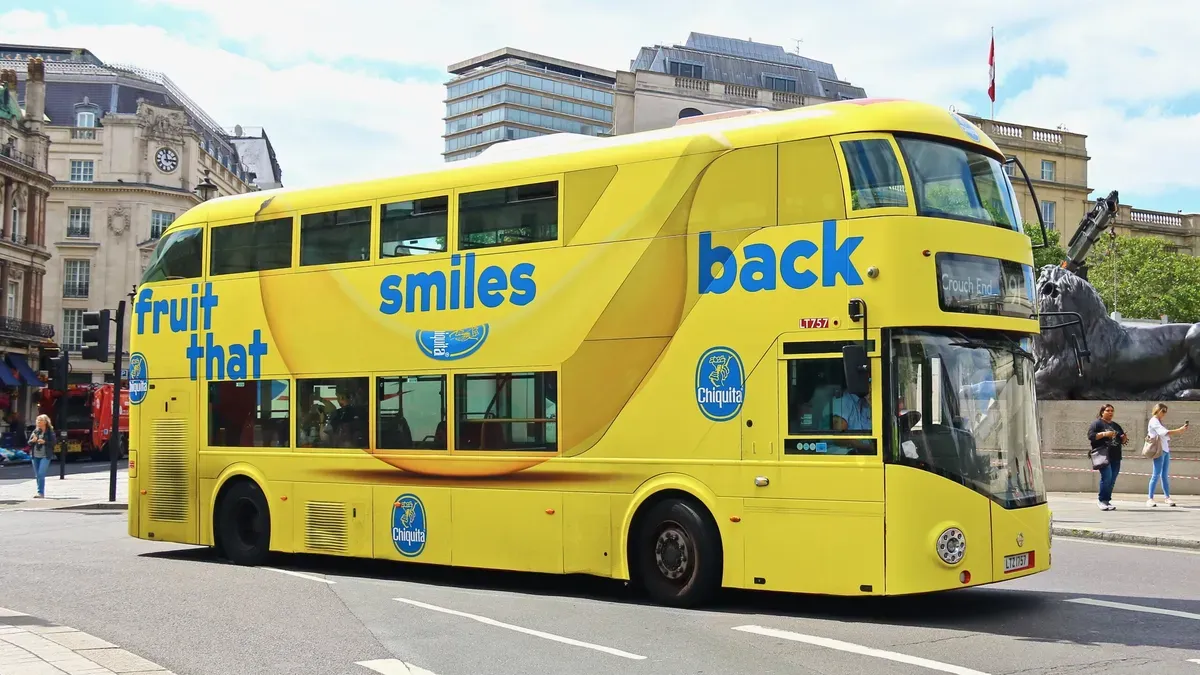
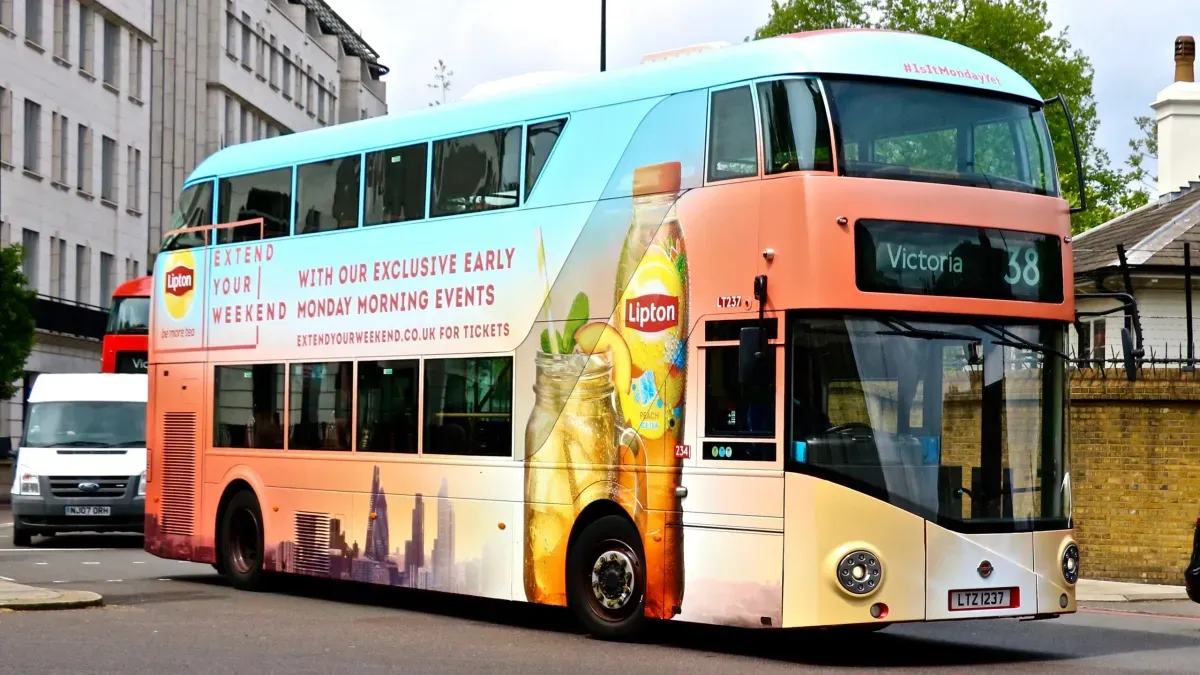
- Full Bus Wraps: These are large-scale advertisements that cover the entire exterior of a bus. Full wraps create high visibility and are often used for major brand campaigns or product launches. They turn buses into moving billboards, ensuring the message is seen by pedestrians, other drivers, and passengers at stops.
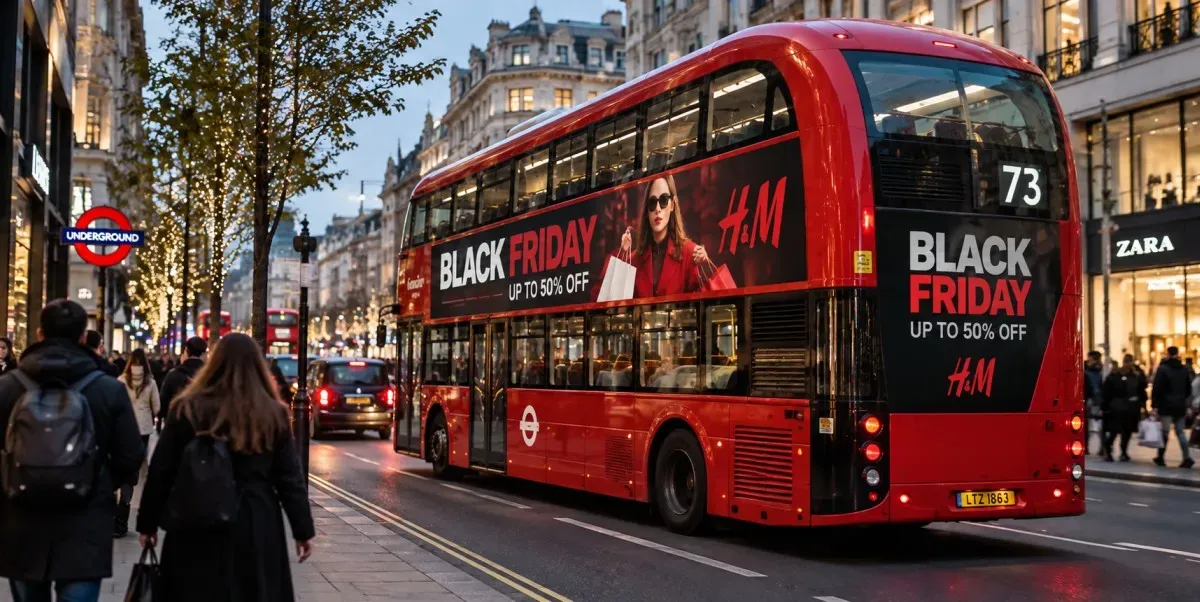
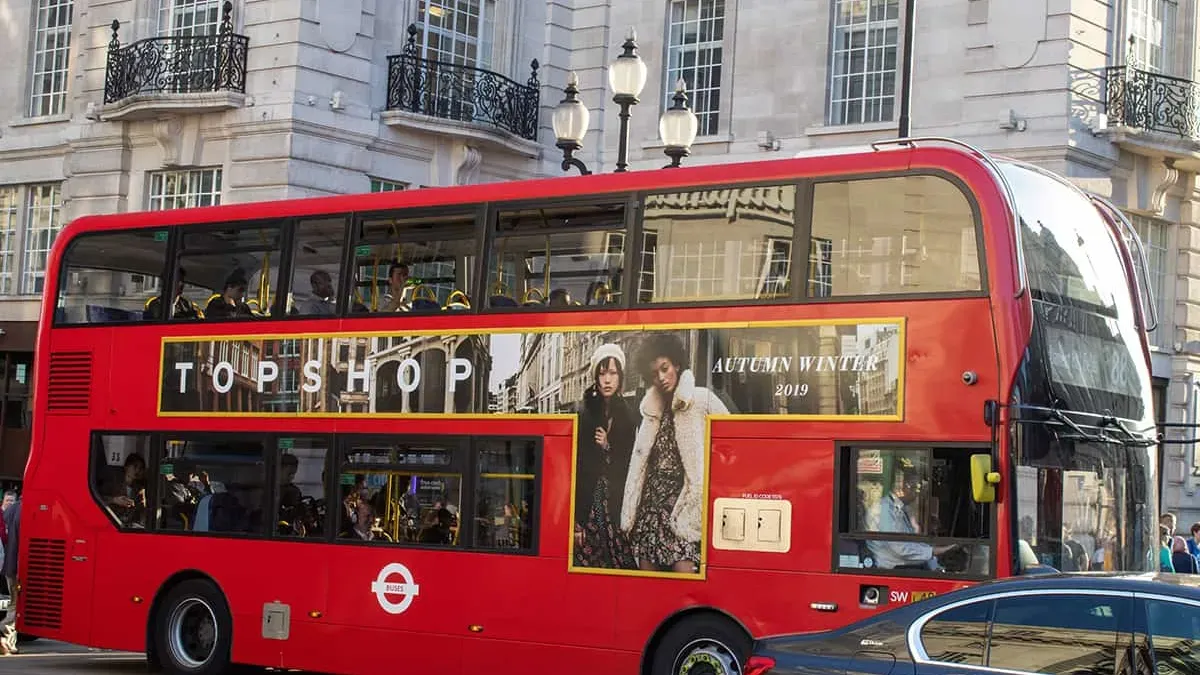
- Partial Bus Wraps: These ads cover only a section of the bus, such as the rear, sides, or back panels. Partial wraps are more affordable than full wraps but still offer considerable exposure. They are often used for local promotions or smaller campaigns.
- Interior Ads: These are posters or digital screens inside the bus, typically located above windows or near doors. Interior ads target passengers already inside the bus, providing an environment for longer engagement. Interior advertising works well for messaging that requires more attention, such as event promotions or service details.
- Digital Bus Ads: Some buses are equipped with LED screens or digital displays, allowing dynamic, animated, or time-sensitive content. Digital ads can rotate multiple messages during a journey, making them ideal for campaigns requiring interactivity or frequent updates.
- Bus Stop Integration: While technically not on the bus itself, some campaigns combine bus-side advertising with branded bus stops, shelter panels, or interactive features to maximize impact.
3. How Bus Ads Reach Audiences
Bus ads work primarily through repeated exposure and high visibility. A bus travels along regular routes multiple times per day, creating opportunities for repeated impressions among commuters, pedestrians, and drivers. High-traffic routes near shopping centers, business districts, or tourist attractions provide greater visibility and engagement.
The effectiveness of bus advertising depends on several factors:
- Route Selection: Buses covering areas with high footfall or vehicular traffic increase impressions. Targeting specific neighborhoods or demographics can enhance relevance.
- Frequency: The number of times a bus passes a given location affects the ad’s recall. Frequent exposure ensures that the audience remembers the message.
- Timing: Morning and evening commutes or weekends may influence the effectiveness depending on the target audience.
Bus advertising leverages the principle of continuous presence in urban environments. Unlike digital ads that may disappear after a scroll, a bus ad remains visible as it moves, creating a tangible connection with the city landscape and everyday life.
4. Design Considerations for Bus Ads
Designing bus ads requires careful planning to ensure maximum impact:
- Simplicity: Messages must be short and easy to read. Bus ads are often viewed quickly as pedestrians or drivers move past. Focus on a single message or call-to-action.
- High Contrast: Bright colors, bold fonts, and strong visuals make the ad stand out against the urban backdrop.
- Branding: Logos, slogans, and brand colors should be clearly visible to ensure instant recognition.
- Sequential Design: For full bus wraps, the design may include multiple visual elements that flow along the length of the bus, creating a narrative or thematic effect.
- Legibility: Text must be readable from a distance or when the bus is in motion. Large fonts and minimal text help communicate the message effectively.
Interior ads may allow slightly longer copy since passengers are stationary for several minutes, but clarity and visual appeal remain key.
5. Advantages of Bus Advertising
Bus advertising offers several benefits that make it an attractive marketing option:
- Wide Reach: Buses traverse different neighborhoods and cities, reaching diverse demographics. This allows brands to target both local and citywide audiences.
- High Frequency: Regular bus routes provide repeated exposure to commuters, improving brand recall.
- Cost-Effective: Compared to television or radio campaigns, bus advertising provides high impressions at a relatively low cost per impression.
- Mobility: Unlike static billboards, bus ads can reach multiple areas in a single day, increasing coverage.
- Creativity: Bus wraps and digital displays allow for visually striking, large-scale, and interactive designs that capture attention.
Brands from fast-moving consumer goods to tech startups and public service campaigns regularly use bus advertising to reinforce visibility in urban areas.
6. Planning a Bus Advertising Campaign
A successful bus advertising campaign requires careful planning:
- Define Objectives: Are you aiming for brand awareness, product launch, or event promotion? The objective will influence the ad format and creative.
- Target Audience: Identify your audience based on demographics, lifestyle, and commuting patterns. Select routes and buses that maximize exposure to this audience.
- Select Ad Format: Choose between full wraps, partial wraps, interior ads, or digital options depending on the campaign scale and budget.
- Creative Execution: Develop visuals that are bold, simple, and attention-grabbing. Test design readability at different distances and speeds.
- Budgeting: Costs vary by format, bus type, and campaign duration. Plan the budget to balance reach, frequency, and visual impact.
- Measurement: Track impressions, engagement (via QR codes, website traffic, or social media interaction), and campaign impact on sales or brand recognition.
7. Measuring Effectiveness
Bus advertising effectiveness can be measured through:
- Impressions: Estimated number of people exposed to the ad, based on route traffic and frequency.
- Engagement Metrics: QR code scans, website clicks, social media interactions, or app downloads provide measurable results.
- Brand Recall: Surveys and studies can determine whether target audiences remember the ad.
- Sales Impact: Analyzing sales data before, during, and after the campaign helps quantify ROI.
Combining quantitative and qualitative metrics ensures a comprehensive understanding of campaign success.
8. Integration with Multi-Channel Marketing
Bus advertising works best when integrated with other marketing channels. Campaigns can be reinforced through digital advertising, social media, PR coverage, or experiential activations. For example, a bus wrap promoting a product launch can include QR codes linking to an online store or social media contest. Multi-channel integration enhances audience engagement and extends the campaign’s reach beyond physical visibility.
9. Real-World Examples
Many brands successfully leverage bus advertising to create memorable campaigns. For instance, beverage brands often use full bus wraps to promote seasonal drinks, while public health organizations use buses to communicate urgent messages to city residents. Digital ads on buses have been used by entertainment companies to promote movie releases or streaming platforms.