London bus advertising works best when the structure behind the network is understood. Depots, routes and formats all shape how often your brand is seen and where it appears.
This guide breaks down the key planning points so you can advertise on London buses with confidence and purpose.
Where Buses Begin and End Each Day
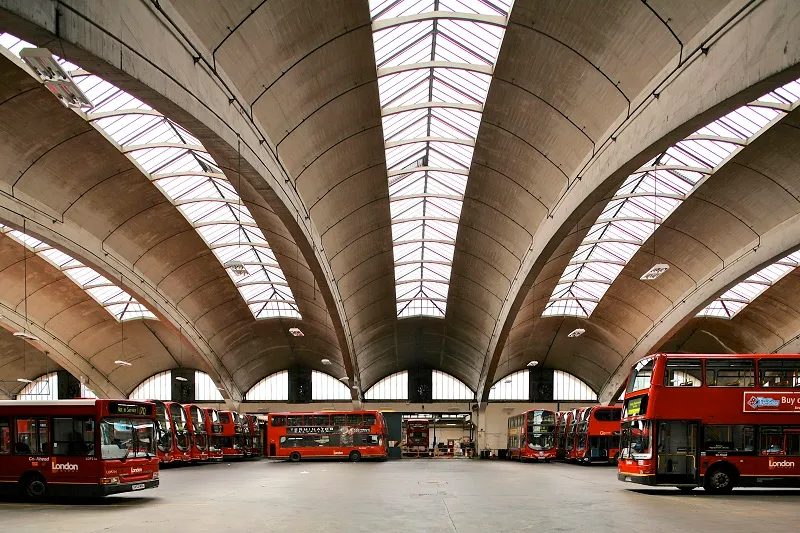
Every bus operates from a depot. Depots control where buses start their day and where they park overnight. This matters because it influences early morning visibility and the areas your ads appear most often.
Depots are fixed locations across London and each one supports a defined set of routes. Well-known examples include
Stockwell Bus Garage
Stockwell supports routes that run through central and south London. Buses from this depot pass major stations, commercial areas and dense residential zones. It suits brands looking for consistent weekday exposure.
West Ham Bus Garage
This depot feeds routes across east London, including growing business and retail districts. It is often used for campaigns targeting commuters and younger urban audiences.
Cricklewood Bus Garage
Cricklewood connects outer and inner north west London. Routes from here offer long journey lengths and repeat exposure across mixed neighbourhoods.
Camberwell Bus Garage
Camberwell serves busy south London routes with strong links to hospitals, universities and shopping streets. It works well for brands seeking steady daily impressions.
Barking Bus Garage
Barking operates routes across east and north east London. These buses travel through residential districts, town centres and key commuter links. It suits brands focused on sustained local visibility.
When planning a campaign, depot selection helps with
- Local targeting in specific boroughs
- Consistent exposure in commuter zones
- Reducing wasted coverage outside your audience area
Brands focused on regional reach benefit from choosing depots close to their target customers. This approach keeps impressions relevant rather than scattered.
Routes Shape Who Sees Your Message
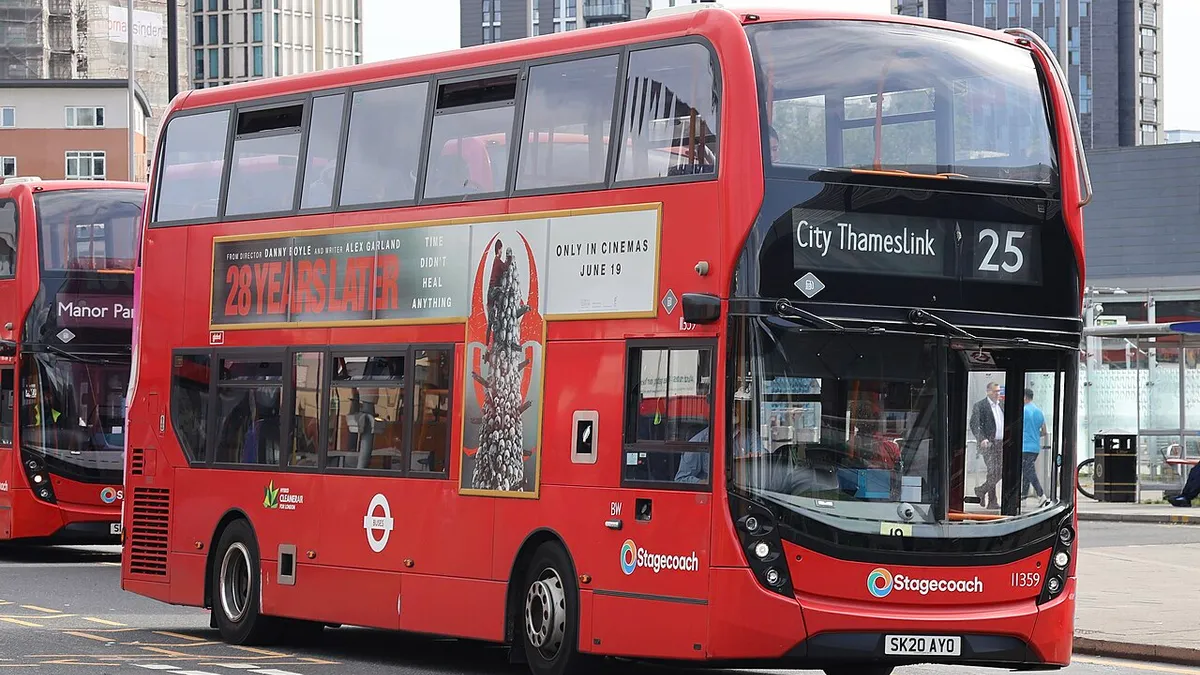
Routes determine the daily journey of your advert. Each route has its own rhythm. Some pass offices and stations. Others serve shopping areas or residential streets.
Route planning allows brands to align messaging with movement patterns across the city.
Key factors to review include
- Route length and operating hours
- Areas covered from start to finish
- Passenger volume at different times of day
Some famous bus routes in London:
Route 25
This route runs between Oxford Circus and Ilford. It passes major retail streets, offices and busy junctions. It is often used for large-scale awareness campaigns.
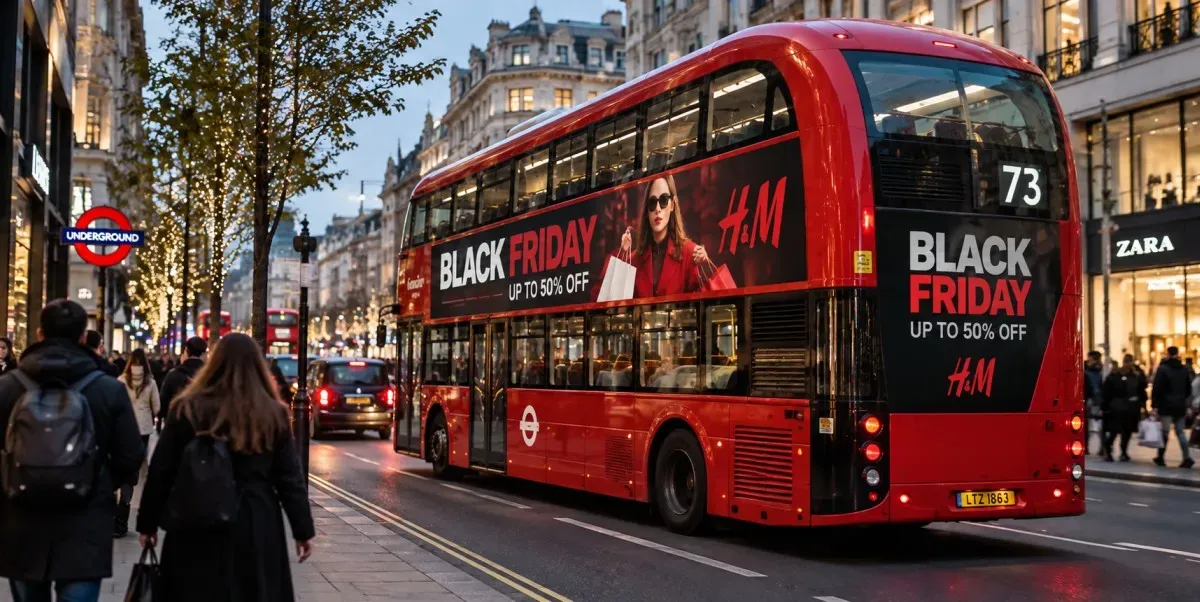
Route 73
Route 73 connects north and central London. It travels through Camden, Euston and Oxford Street areas. The route delivers strong commuter and daytime exposure.
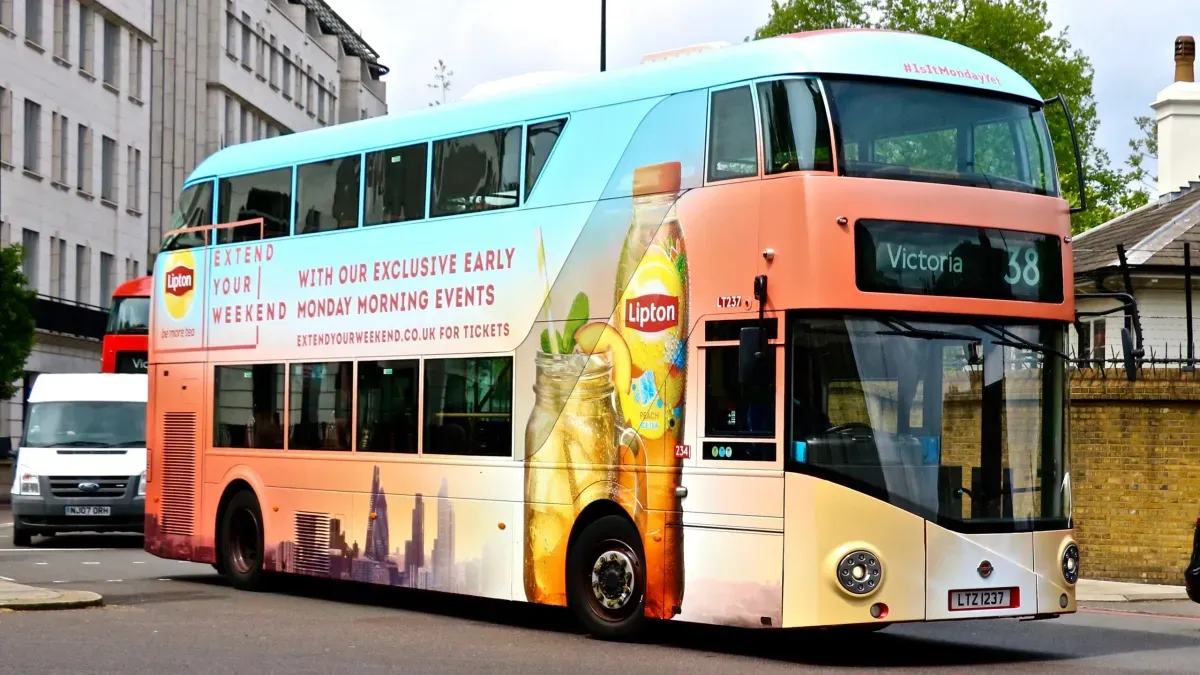
Route 38
Route 38 operates between Victoria and Hackney. It serves nightlife districts, commercial zones and dense residential areas. This makes it effective for extended daily visibility.
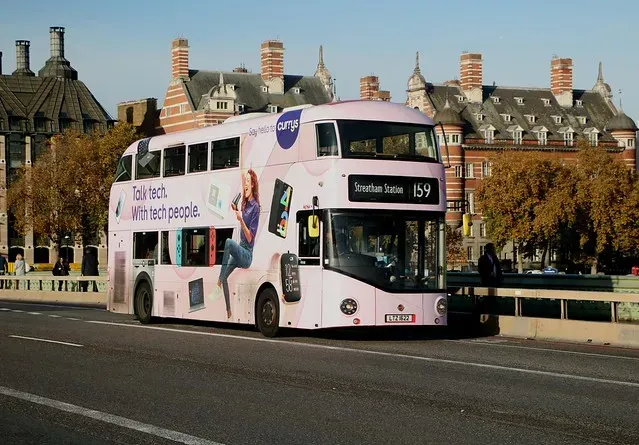
Route 159
Route 159 runs from Streatham to Marble Arch. It passes through Brixton, Westminster and central shopping districts. Campaigns here benefit from mixed audience reach.
Well planned route selection ensures your message appears where people already travel rather than relying on chance.
Choosing the Right Advertising Format
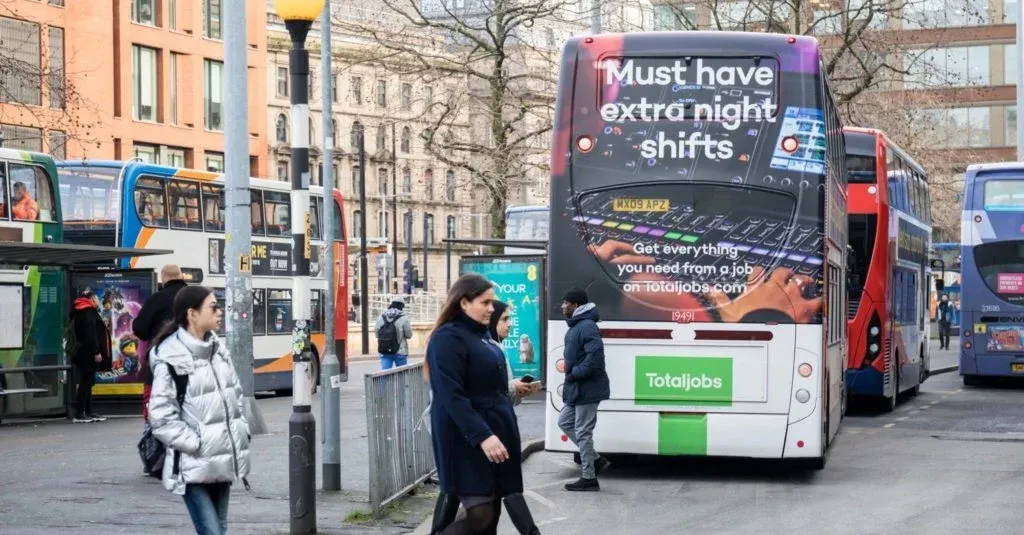
Bus advertising formats define how bold or subtle your campaign feels. The format you choose affects dwell time visibility and creative space.
London bus advertising formats fall into several clear categories. Each serves a different role in a media plan.
Exterior Formats That Command Attention
Exterior placements deliver strong street presence and repeated exposure.
Common options include
- Bus sides for long viewing time in traffic
- Bus rears for impact at junctions and crossings
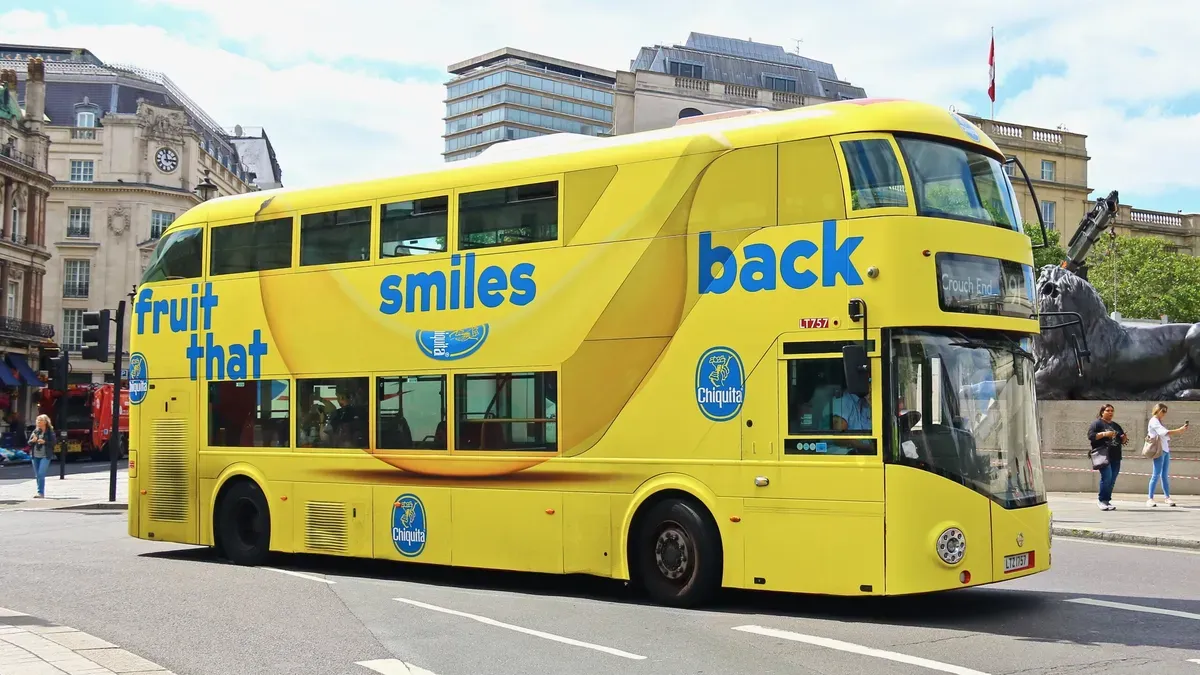
- Full bus wraps for dominant brand takeovers
Exterior formats suit brand launches, retail pushes and event promotion. They keep your message visible across multiple journeys per day.
Interior Formats That Hold Attention
Interior placements work inside the journey. Passengers have time to read and absorb messages.
Bus interiors support
- Detailed messaging
- App downloads or QR engagement
- Consideration-focused campaigns
They are effective for brands that need more than a headline.
Matching Format to Objective
Campaign planning works best when the format fits the goal.
Awareness campaigns lean towards large exterior coverage. Response-driven campaigns often combine interiors with targeted routes.
Choosing formats early helps shape creative and budget decisions later.
Timing Your Campaign for Maximum Effect
Bus campaigns run on fixed periods. Typical bookings start from two weeks and scale upwards.
Timing impacts
- Seasonal relevance
- Event alignment
- Budget efficiency
Launching during busy travel periods increases frequency without extra spend. Planning ahead also secures stronger route availability.
Artwork Rules and Creative Planning
Bus advertising has strict specifications. Creative must fit moving vehicles and public streets.
Key points to plan early
- Clear messaging that reads at a distance
- Limited text and strong contrast
- Legal and brand compliance checks
Artwork approval sits within the booking timeline. Early preparation avoids delays and keeps campaigns on schedule.
A Smarter Way to Build a Bus Campaign
Most bus campaigns run smoothly when the planning is tight. Depot availability, route selection format choice and artwork checks all sit on the same timeline.
Working with specialists removes guesswork and speeds up decisions.
At London Bus Advertising, we plan and manage campaigns across the capital. We help brands choose the right routes, formats and coverage to meet real business goals. If you are ready to advertise on the London bus inventory with clarity, speak to our team.
FAQs
How do depots affect a bus advertising campaign?
Depots influence where buses start and finish each day, which affects local visibility and route consistency.
Why are routes important in London bus advertising?
Routes determine who sees your ad and how often it appears across commuter and retail areas.
What is the best format for bus advertising?
The best format depends on your goal. Exteriors suit awareness while interiors support detailed messaging.
How long should a bus campaign run?
Most campaigns run for two to four weeks to build frequency and recall across repeated journeys.