Experiential PR on London Buses: How It Works and Why It Delivers
Experiential PR has become an important part of how brands create talkability in crowded cities. In London, few formats are as instantly recognisable as the capital’s red buses. They are part of the city’s visual identity, moving through high footfall areas every day, which makes them a powerful canvas when used creatively.
Unlike standard out of home placements, experiential PR on buses turns the vehicle into more than just media space. The bus becomes part of the idea itself. When done properly, it can generate awareness on the street and conversation online at the same time.
Why London Buses Are Such a Strong Platform
London buses naturally travel through some of the busiest and most culturally relevant areas of the city. Routes cut across Oxford Street, Piccadilly Circus, Shoreditch, Westminster and beyond, meaning a single activation can be seen by commuters, tourists and office workers within hours.
The mobility of buses adds another layer of value. A static billboard reaches one location. A bus moves through multiple boroughs in a day, building repeated exposure across different audiences. That movement also increases the chance of organic photography and social sharing.
There is also a cultural factor. London buses feel authentic. They are part of everyday life. When a brand uses them as the centrepiece of an activation, it feels grounded in the city rather than imposed on it.
What Experiential PR on a Bus Looks Like
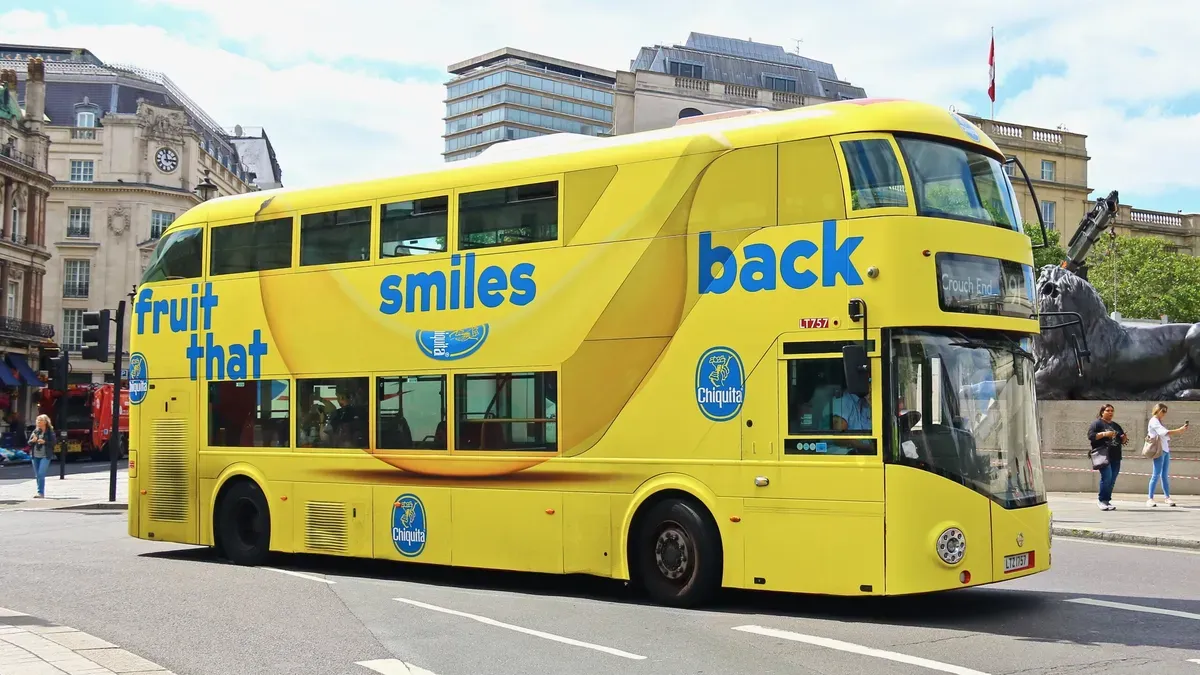
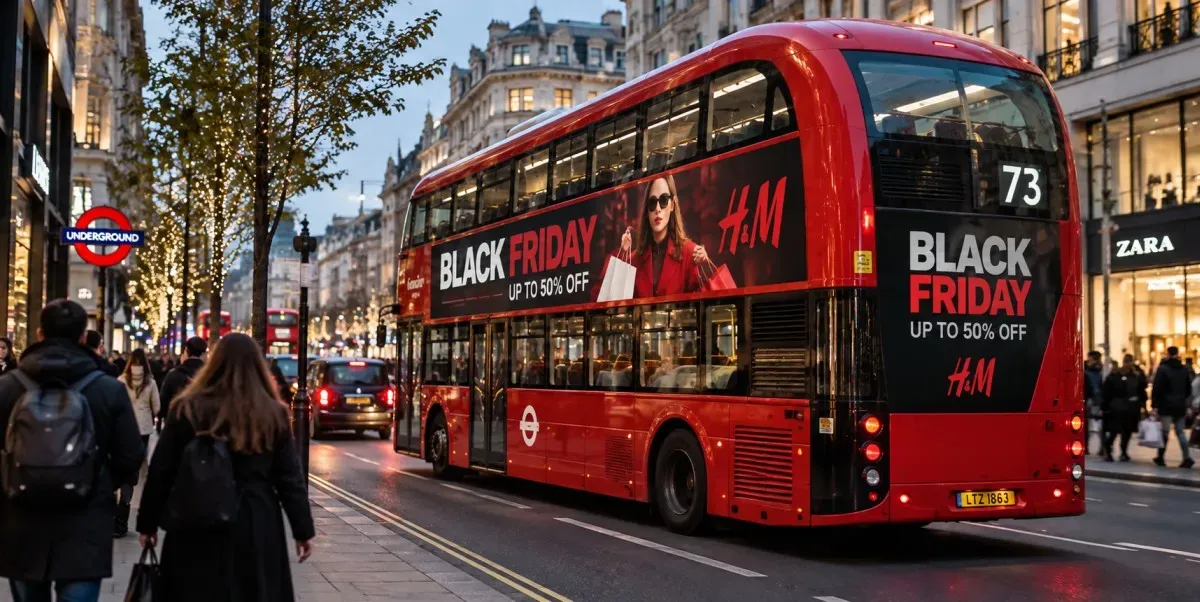
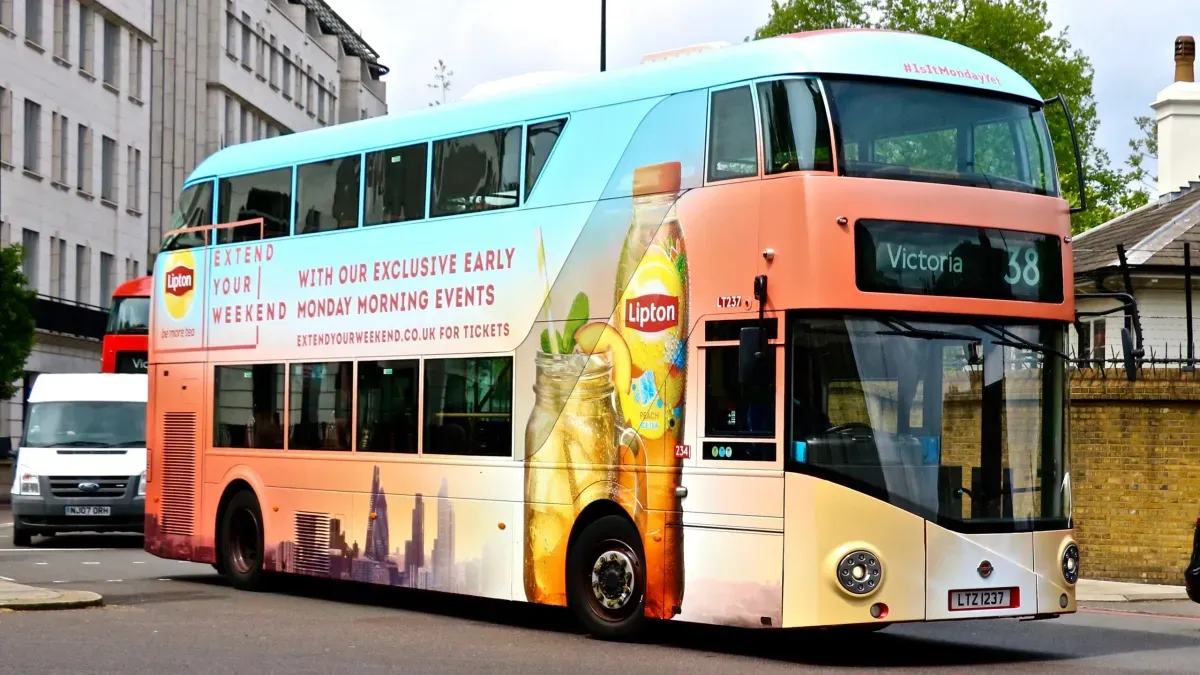
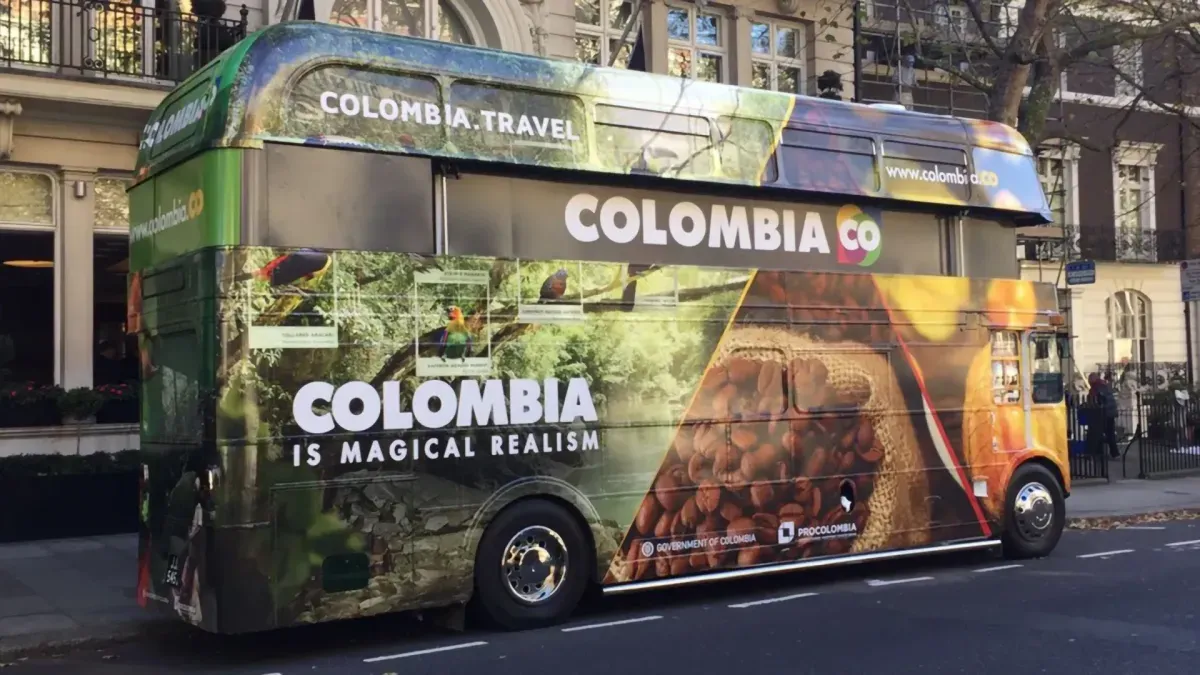
The simplest starting point is a full bus wrap, but experiential campaigns usually go further. Creative often transforms the exterior into something unexpected, whether through bold visual takeovers, playful illusions or designs that look like the bus itself has changed shape.
Some campaigns extend inside the vehicle, using themed interiors or curated experiences that surprise passengers mid journey. Others treat the bus as a moving stage, supporting a one day stunt or timed appearance that is amplified through press and social channels.
The difference between standard bus advertising and experiential PR lies in intent. The goal is not just visibility. It is reaction. Brands want people to stop, photograph, share and talk.
How to Approach Planning
Successful bus activations start with a clear objective. Whether the aim is to launch a product, reposition a brand or drive social engagement, the creative idea needs to serve that goal. Spectacle alone rarely sustains coverage without a strong narrative behind it.
Route selection is another important factor. Central routes provide scale and tourist visibility, while other areas may offer stronger connections to specific communities or cultural moments. Understanding where your audience spends time helps ensure the activation feels relevant rather than random.
Timing also plays a role. Weekday peak hours capture commuter audiences, while weekends can provide more leisure footfall and longer dwell time around stops. Aligning your activation with key cultural dates or city events can strengthen PR traction.
Finally, amplification should be built in from the outset. Experiential PR works best when supported by content capture, influencer involvement and press outreach. The bus may be the physical centrepiece, but the wider campaign determines how far the idea travels.
Why It Works So Well
Experiential advertising on London buses works because it combines scale with surprise. The format is familiar, but the execution is not. That contrast creates natural stopping power.
It also bridges physical and digital. A bus activation can be seen by thousands in person, then reach millions more through social media and coverage. In a landscape where attention is fragmented, creating a tangible moment in the real world often feels more memorable than another digital placement.
For brands willing to invest in a strong creative concept and coordinated PR strategy, London buses offer more than just advertising space. They provide a moving stage within one of the world’s busiest cities. When used thoughtfully, they can turn an everyday commute into a campaign people actively engage with and remember.