CGTN’s Chinese New Year Campaign: Turning London into a Moving Celebration
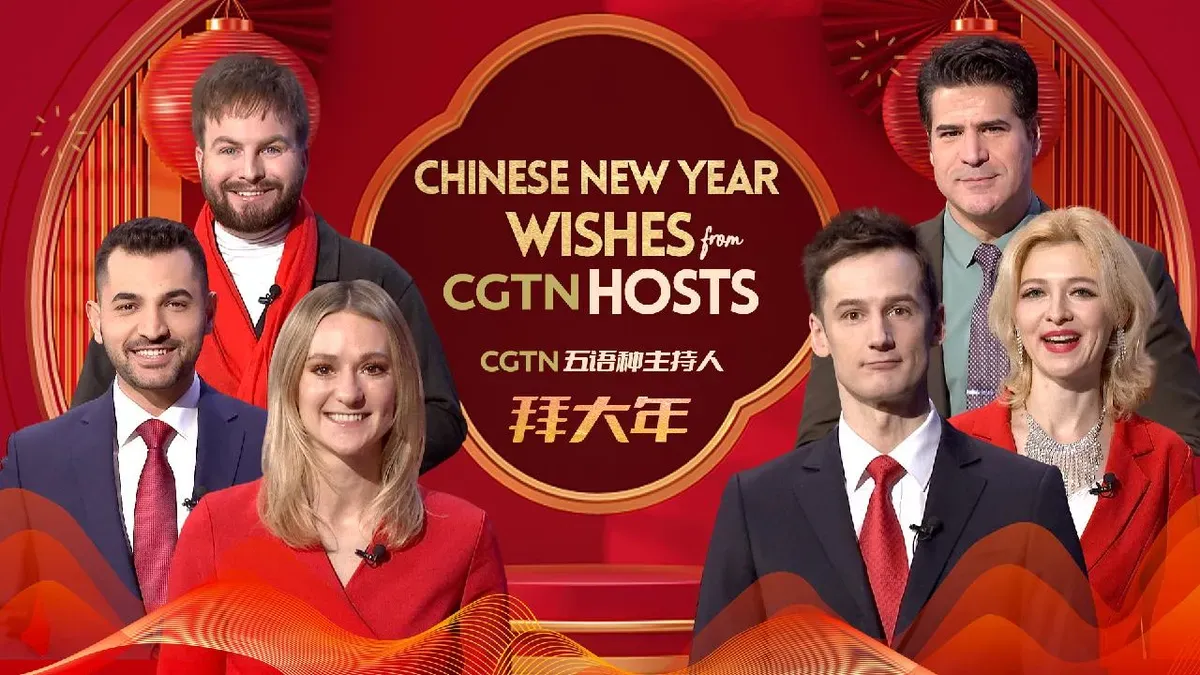
To mark Chinese New Year, China Global Television Network delivered a vibrant cultural activation across London, transforming the city into a moving celebration of the Spring Festival.
At the heart of the campaign were CMG’s Spring Festival Gala-themed double-decker buses, wrapped in bold festive creative and fully decorated inside. These buses did more than travel through the capital. They carried the spirit of the celebration with them.
A Branded Bus with a Cultural Purpose
The themed double-deckers toured central London, passing iconic landmarks including Big Ben and the London Eye. The result was a striking visual contrast between London’s historic skyline and the vibrant red and gold aesthetic associated with the Spring Festival.
Inside, the buses were decorated to reflect the festive theme, creating an immersive environment rather than a simple exterior media placement. Chinese students, musicians and community members were invited onboard, turning the vehicle into both a transport medium and a cultural stage.
Paddington Joins the Celebration
Adding a distinctly British twist to the festivities was a special guest appearance from Paddington Bear. Paddington hopped aboard the decorated bus to share Chinese New Year wishes, delighting both passengers and onlookers. The presence of such a recognisable cultural figure bridged British and Chinese traditions in a playful and accessible way.
The celebrations continued at the Royal Albert Hall, where Paddington surprised crowds with an energetic flash mob performance. The unexpected moment created a lively atmosphere and drew further attention to the campaign, generating excitement across the city.
Moving Media as Cultural Storytelling
This campaign demonstrated how branded transport can function as more than just mobile advertising. By combining visual impact with live performance and community involvement, CGTN transformed a bus into a storytelling platform.
The route itself became part of the narrative. Passing some of London’s most recognisable landmarks reinforced the scale and significance of the celebration. It signalled that the Spring Festival is not only a cultural event for one community, but a shared moment within a global city.
The inclusion of students and musicians onboard ensured authenticity. Rather than presenting a static promotional message, the activation felt lived-in and genuine.
Blending Heritage and Modern City Life
Chinese New Year campaigns often focus on symbolism, tradition and family. What made this activation distinctive was how seamlessly it blended those themes with London’s urban backdrop.
The juxtaposition of red lantern motifs and Spring Festival branding against Big Ben and the London Eye created strong visual storytelling. It communicated cultural exchange in a single frame.
Paddington’s involvement amplified this further, offering a character synonymous with warmth and welcome as a symbolic host for the celebrations.
Why the Campaign Worked
The effectiveness of the campaign lay in its mobility, visibility and emotional resonance. A touring bus naturally attracts attention, particularly when fully wrapped and internally decorated. When combined with live performances and surprise appearances, it creates moments that people want to photograph and share.
The campaign also reinforced the idea that cultural celebrations can bring communities together. By occupying public space in a joyful and inclusive way, CGTN positioned the Spring Festival as part of London’s wider cultural calendar.
A Celebration on the Move
CGTN’s Chinese New Year activation shows how experiential Out of Home can extend far beyond traditional formats. A bus became a stage, a landmark backdrop became a canvas and a beloved character became a cultural ambassador.
By taking the celebration directly to the streets, the campaign turned London itself into part of the story. It was not simply about visibility. It was about participation, connection and shared festivity during one of the most significant moments in the Chinese calendar.